

A Fighting Wolverine and a Captured Flag
By Evan Phifer At Gettysburg’s 50th reunion in 1913, William D. Mann, former colonel of the 7th Michigan Cavalry, went looking for Confederates. Unlike half a century earlier, his mission
By Evan Phifer At Gettysburg’s 50th reunion in 1913, William D. Mann, former colonel of the 7th Michigan Cavalry, went looking for Confederates. Unlike half a century earlier, his mission

By Phil Spaugy On Jan. 1, 1863, President Abraham Lincoln’s Emancipation Proclamation took effect, opening the way for the recruitment of African-American troops. By war’s end, approximately 180,000 Black men
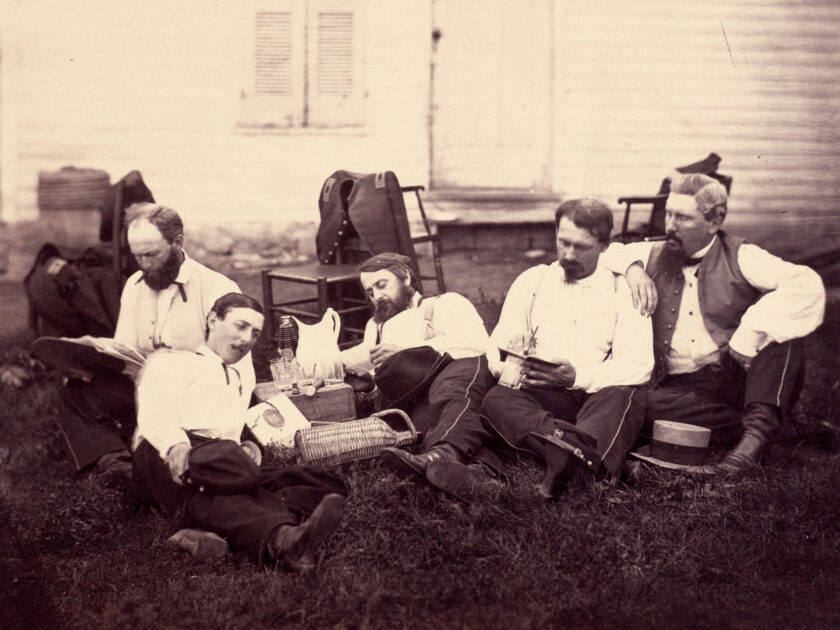
By Ronald S. Coddington Axes rang as a forest of white oak fell south of Lexington, Ky., in the spring and summer of 1863. A pair of steam mills added
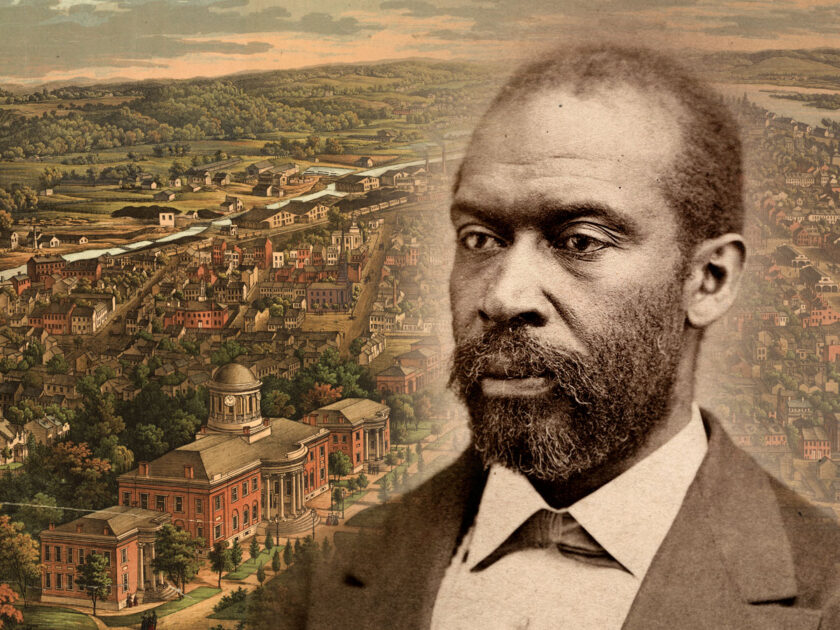
By Jack Hurov Students of the Civil War are well acquainted with the Grand Review in Washington, D.C. For two days in May 1865, several federal armies, comprising some 145,000

By Timothy Bennett On a June day in 1895, a convoy of carriages rolled through the campus of the U.S. Military Academy and the countryside surrounding West Point. The vehicles

By Scott Valentine Labeled by the men under his command as “a sort of despot” and “petty tyrant,” one of his greatest detractors also described Lt. Col. Hiram Duryea of
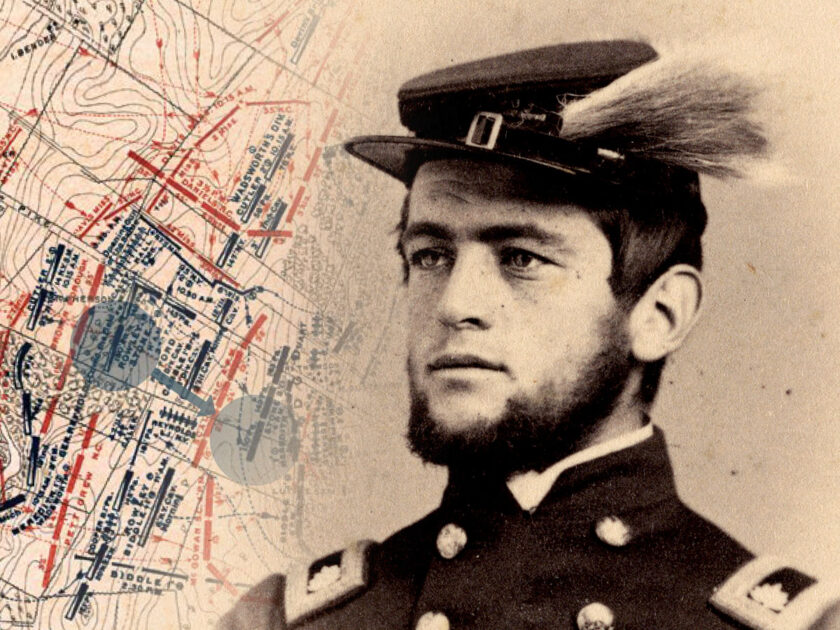
By Evan Phifer Henry Shippen Huidekoper understood the importance of historical memory. The former lieutenant colonel of the 150th Pennsylvania Infantry wrote in 1896, “Everyone who lived during war times
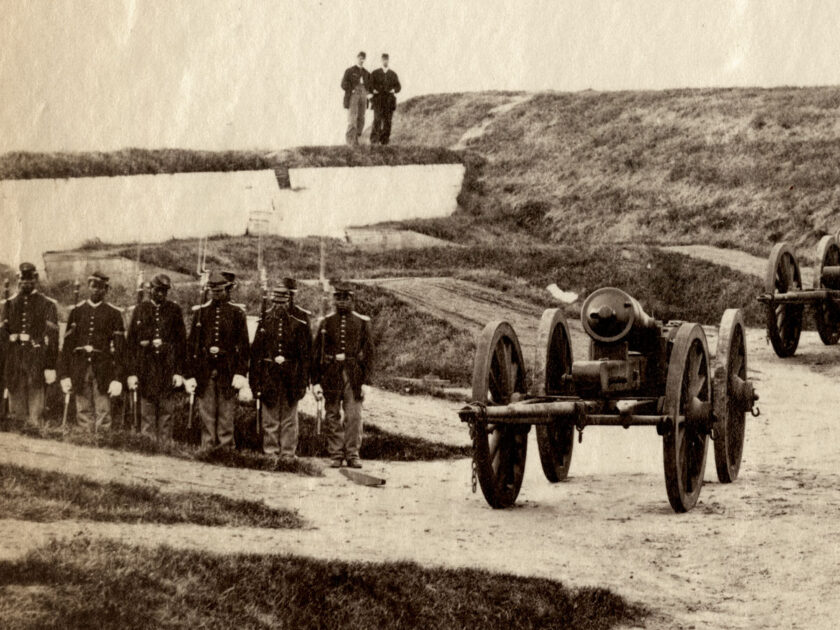
By Kurt Luther and Bryan Cheeseboro Group portraits of U.S. Colored Troops (USCT), like all photos of USCT, are rare, and identifying their subjects rarer still. Back in 2015, this
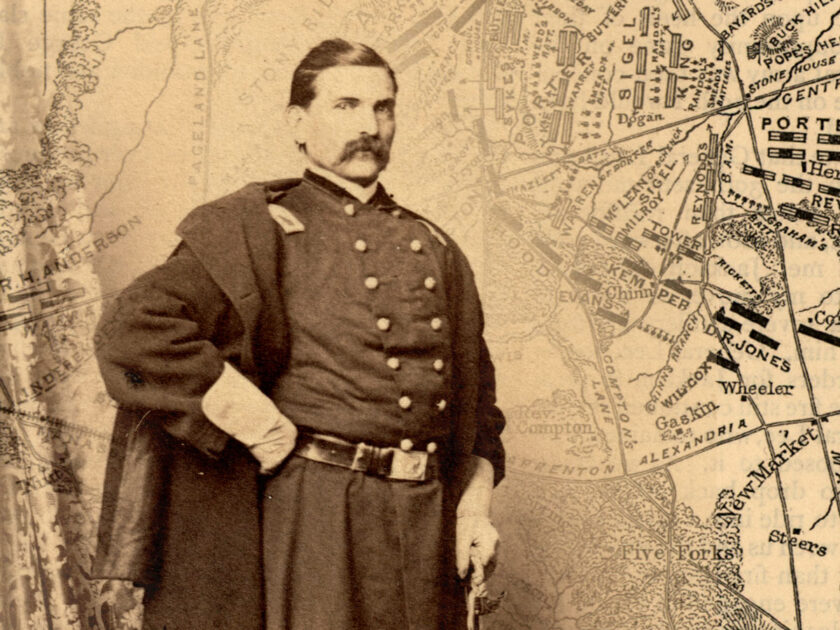
By Scott Valentine At the Second Battle of Bull Run, the Union brigade commanded by Col. John Alfred Koltes remained in reserve as the fighting unfolded. However, during the afternoon
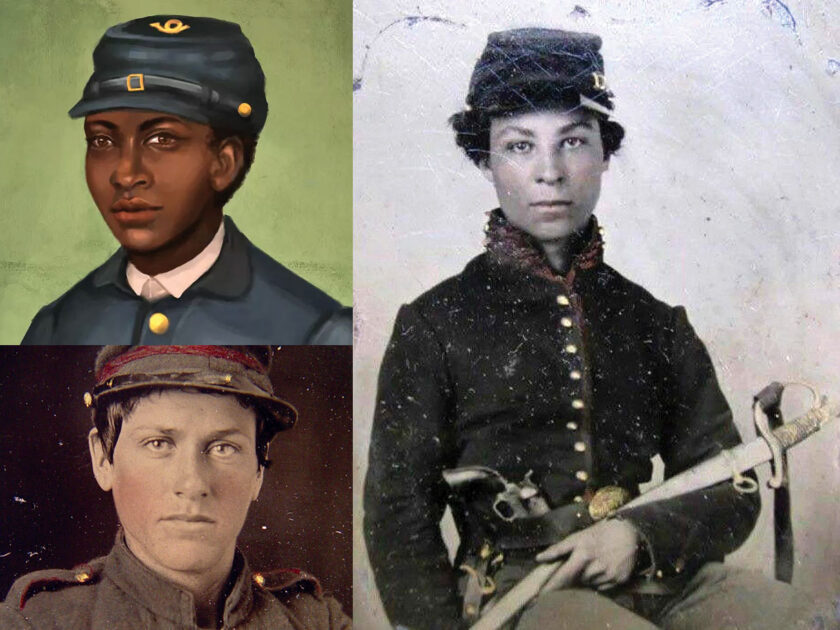
By Kurt Luther Historians estimate that at least 400 women presented themselves as men and fought in the Civil War, on both sides of the conflict. Verified period portraits of