

“Barrel Shirts,” Killed at Franklin, and a USCT Soldier
Wearing “barrel shirts” or “wooden overcoats,” four soldiers under armed guard are paraded through Camp Lookout, Md. In this common form of army punishment by humiliation, the signs on the
Wearing “barrel shirts” or “wooden overcoats,” four soldiers under armed guard are paraded through Camp Lookout, Md. In this common form of army punishment by humiliation, the signs on the
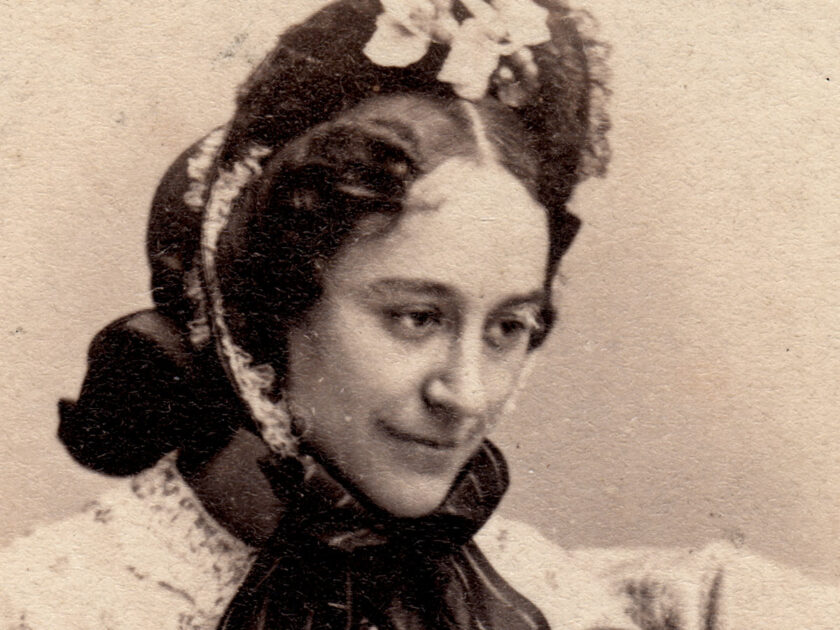
By Elizabeth A. Topping Ellen Mary Marcy McClellan remained an ardent supporter of her husband, Maj. Gen. George Brinton McClellan, throughout his military career. Though “Nelly” had rejected his marriage
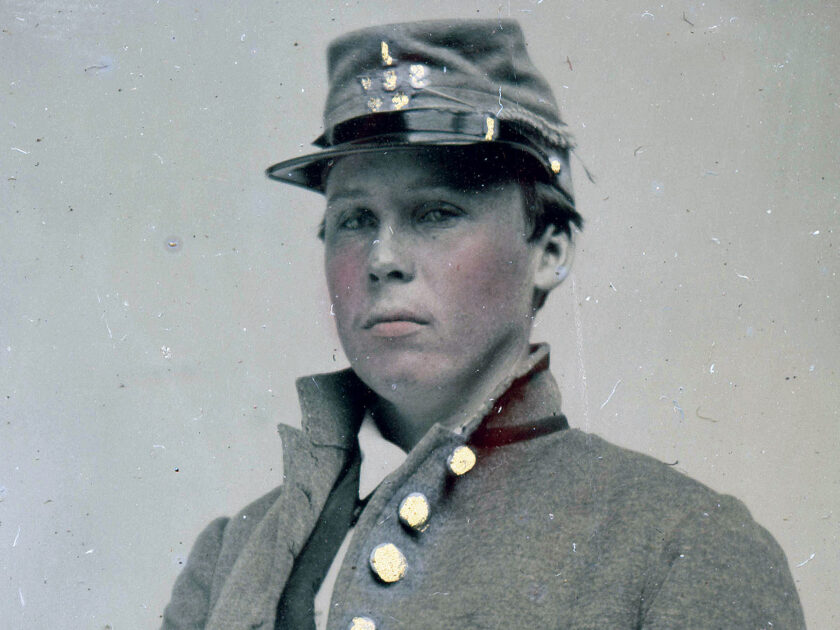
Curated by Charles Joyce, with contributions from Rick Brown, Scott Hann, Robert May, Dale Niesen, Paul Russinoff, and Melissa Winn July 1 Amputation at the Express Office The first Union
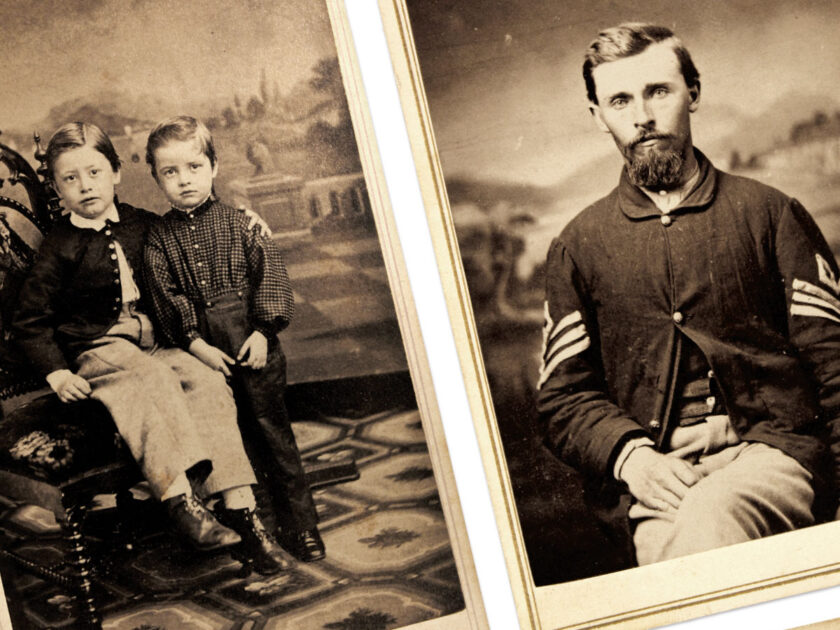
By Buck Zaidel Four cartes de visite produced in Cincinnati during the Civil War years reveal how one of America’s most important 19th century photographers used painted backdrops as visual
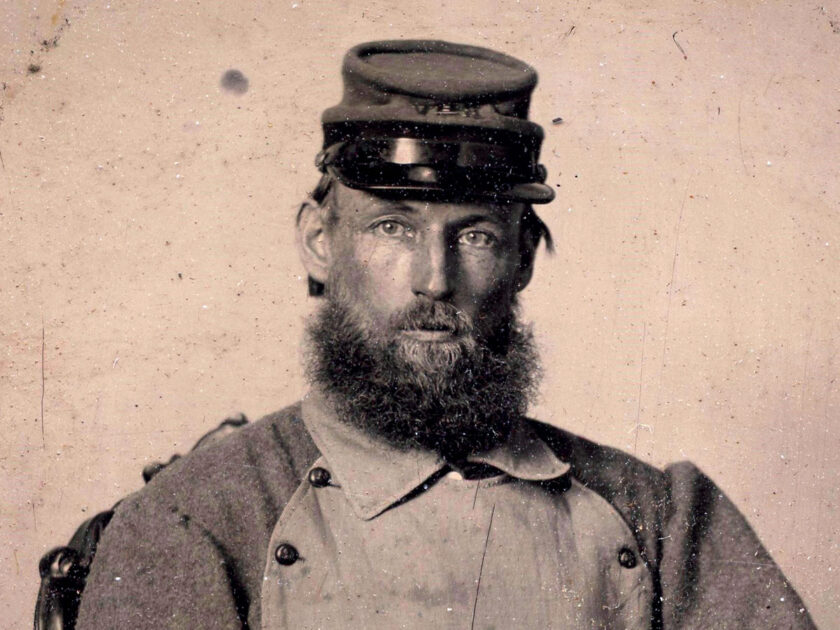
Portraits featuring the “Jeff. Davis and the South!” placard are few in number. Only 29 have been documented over the past 35 years. That total has now increased by two—to
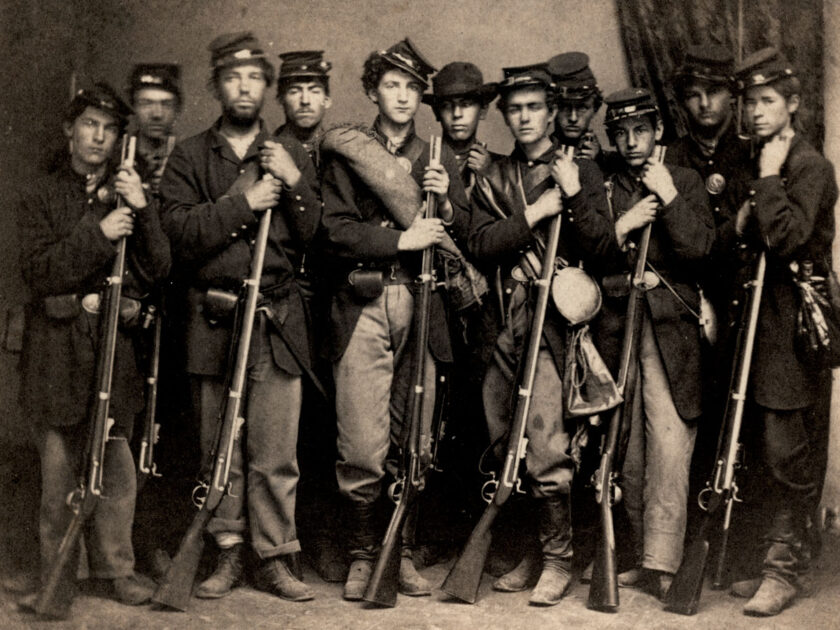
By Michael R. Cunningham, Ph.D., featuring images from the Rick Carlile Collection Countless Civil War soldiers sat for photographic portraits to keep their images fresh in the minds of family

Introduction by Austin Sundstrom, with images from his Uncle Karl’s collection Some of my earliest memories of my uncle, Karl Sundstrom, revolve around visiting his house in the town just

Over the last ten years, Military Images has been collecting digital scans of wounded soldiers and sailors from the collecting community—and waiting for the right opportunity to publish. A few

The sight of a man missing an arm or leg rarely occurred before the Civil War, observed a newspaper editorial in the Confederate capital during the waning days of the

Two years ago, I visited collector Al Niemiec in the Chicago suburbs. I had met Al in person once before for coffee, and since then we corresponded from time to