

On Distinguishing Props from Personal Items
One of my favorite moments at a collector’s show is the instant when I open the case of an ambrotype or tintype and peer into the face of the soldier
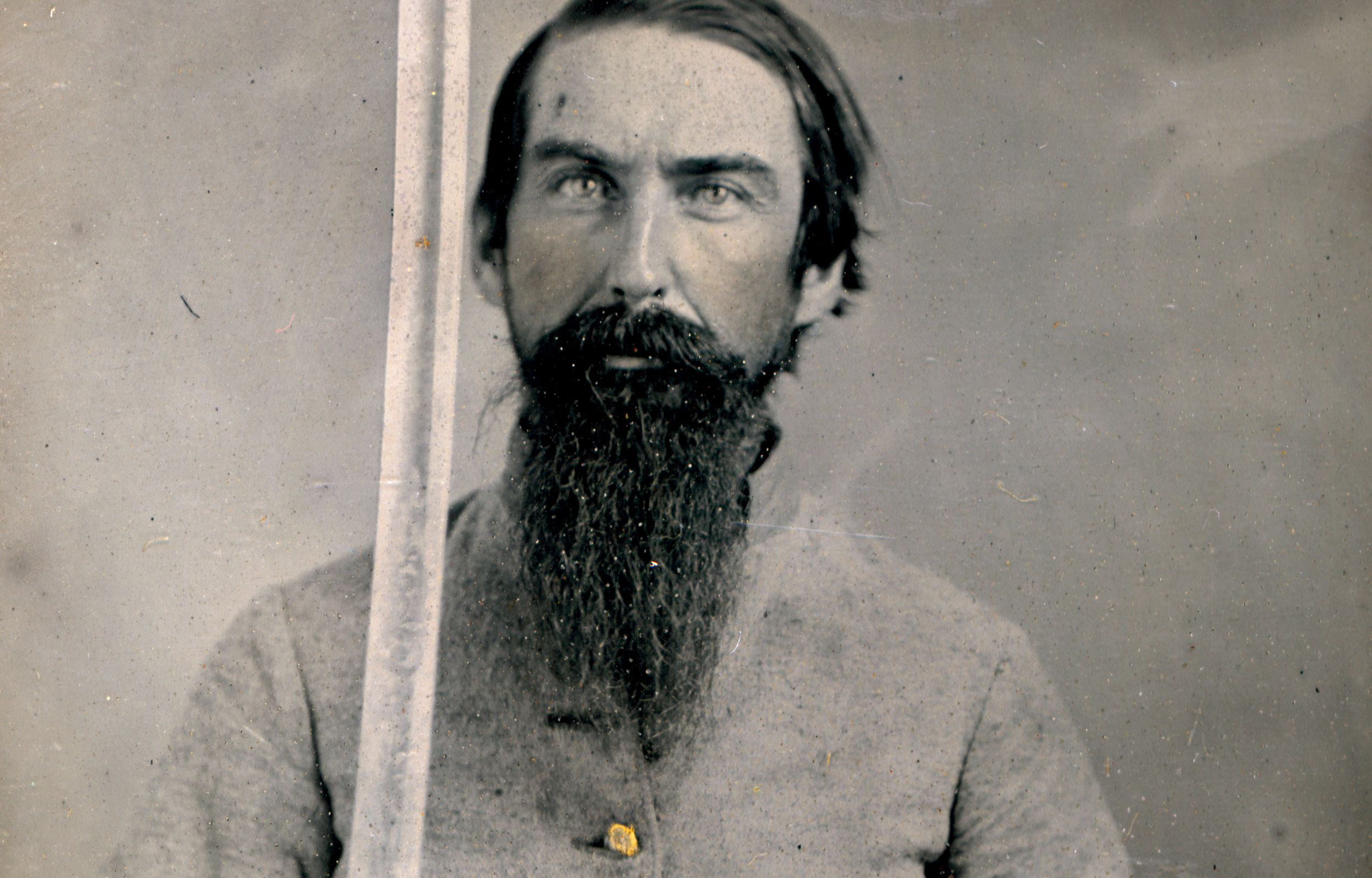
One of my favorite moments at a collector’s show is the instant when I open the case of an ambrotype or tintype and peer into the face of the soldier
The Images of America books by Arcadia Publishing are ubiquitous. The ongoing series of paperback volumes with their sepia cover and distinctive red and black logo trace the history of
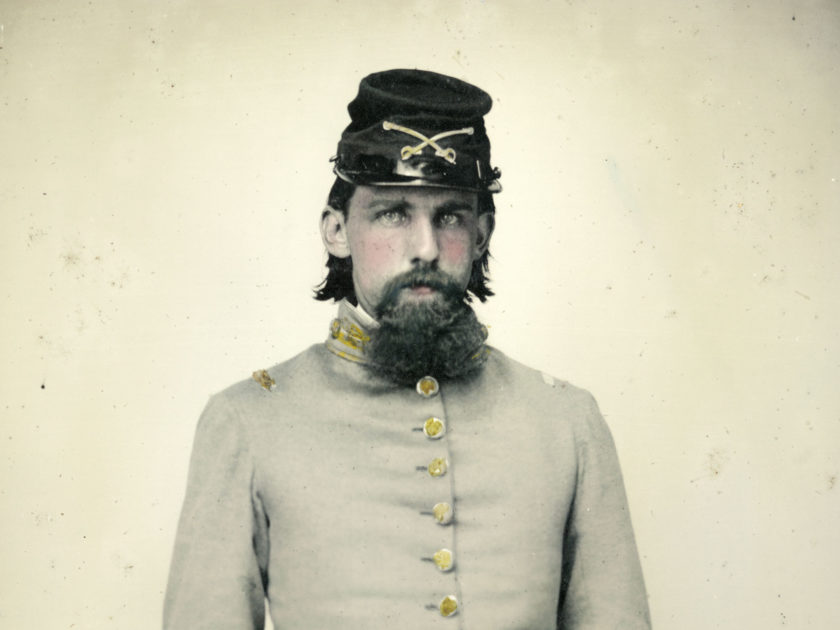
By Ron Field The militia and volunteers of the Palmetto State were the first troops to see service in defense of the short-lived Republic of South Carolina in 1861, and
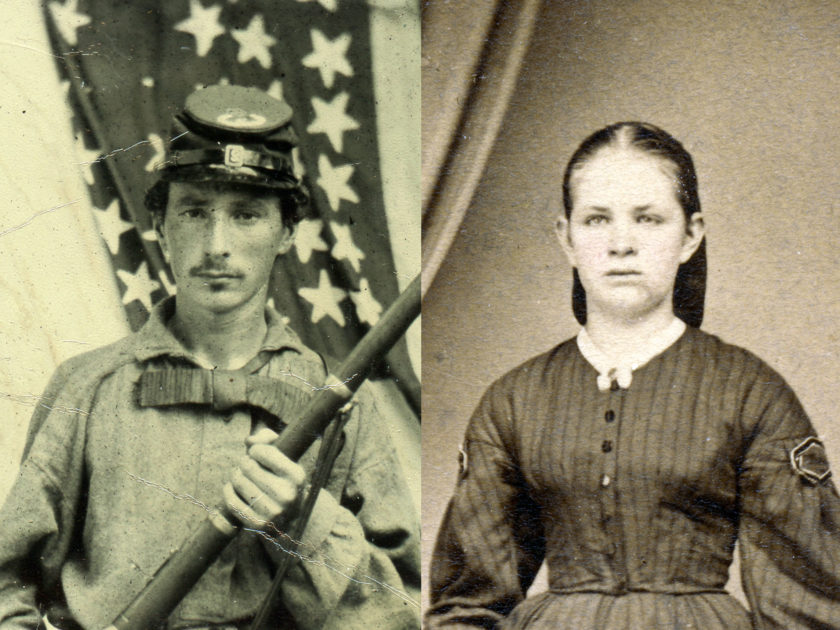
By Kevin D. Canberg In 1861, happenstance brought together young Carrie Deppen and her soldier love, George W. Ladd. And, 154 years later, a chance discovery has reunited them. On
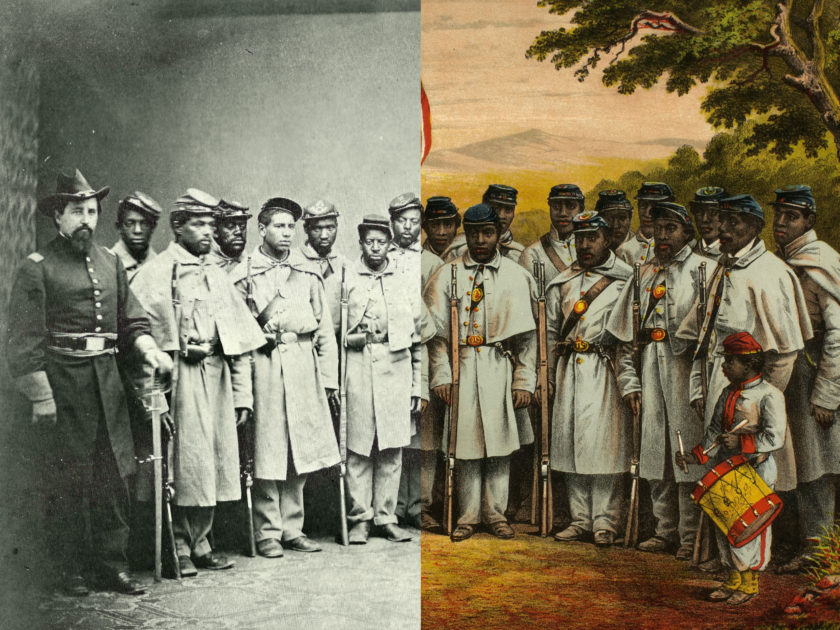
By Kurt Luther As photo sleuths, many of us spend significant time working with relatively obscure images. We may stumble across a loose tintype at a flea market or unearth
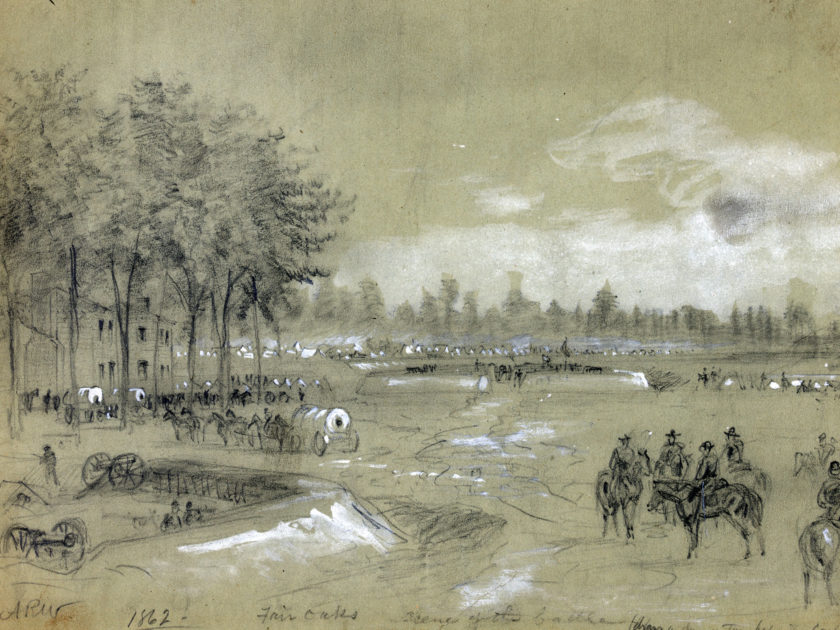
By Katharina Schlichtherle On the evening of May 31, 1862, the men of the 4th North Carolina State Troops who remained standing, after their baptism of fire in the battle
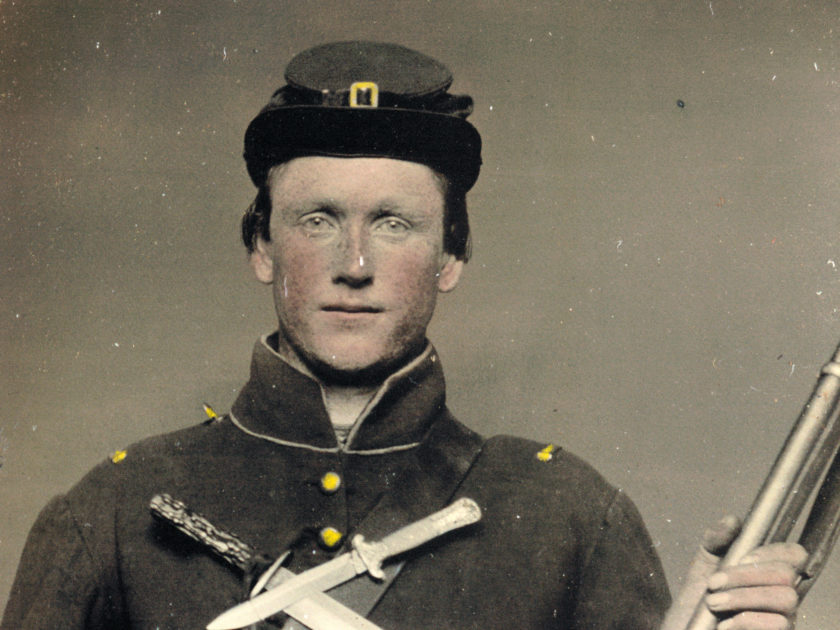
By Katelyn Brown Few people would dispute the accepted fact that battlefield photographers of the Civil War sometimes included props—even human beings—in their photographs. Alexander Gardner famously moved corpses in

By Aaron D. Purcell, with images from the Jeremiah T. Lockwood, Jr. Collection, Special Collections, Virginia Tech On Aug. 28, 1862, 16-year-old Jeremiah Talcott Lockwood, Jr., from Bedford, N.Y., stepped

By Stephen R. Bockmiller Few veterans are known to have served in any uniformed role in the Civil War and World War I. Among this limited cadre is George Leonard
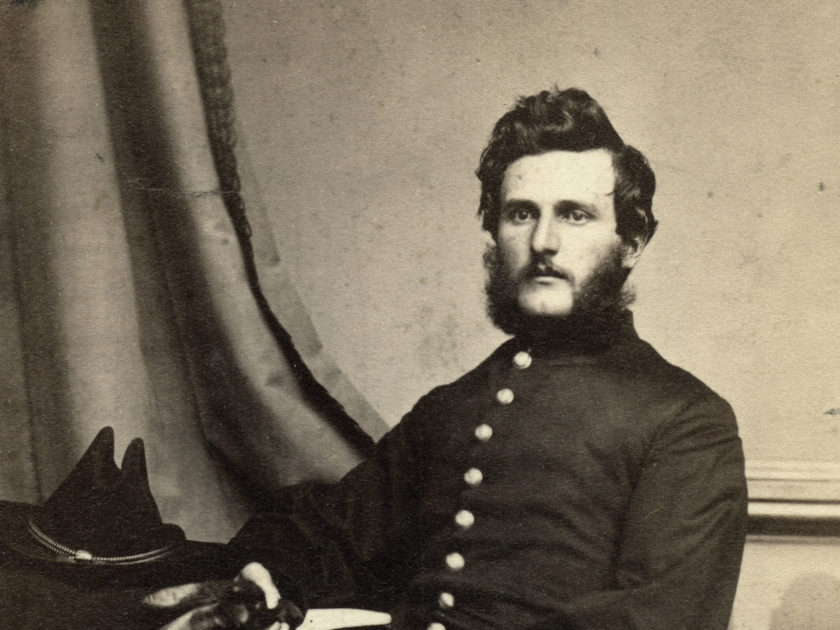
By Dan Clendaniel When he enlisted into the Union army, Lt. John E. Michener could not have imagined that his first armed encounter would occur in his Pennsylvania hometown.