

When Did We Start Calling It the Civil War?
A survey of selected names for the conflict in America between 1861 and 1865 on Newspapers.com reveals nomenclature changes over time. During the war and into the latter part of
A survey of selected names for the conflict in America between 1861 and 1865 on Newspapers.com reveals nomenclature changes over time. During the war and into the latter part of

Citizen-soldiers volunteered to join the Civil War armies for varied motivations: patriotism, adventure, politics, money, and opportunity, to name a few. Arthur McKinstry had an additional and unique motivation. He
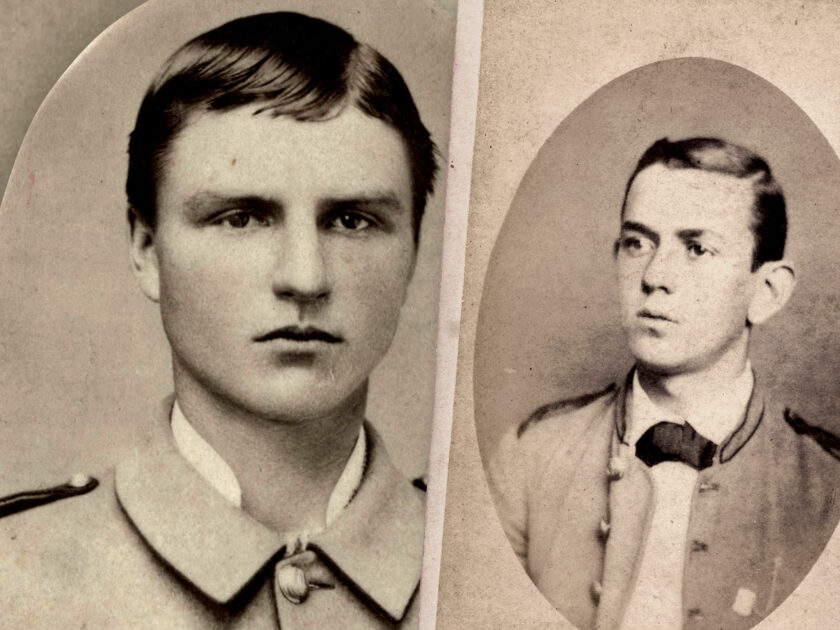
By Kurt Luther In past columns, we often focused on identifying Civil War soldier photos. However, military images are a much broader genre, and one type of portrait that has
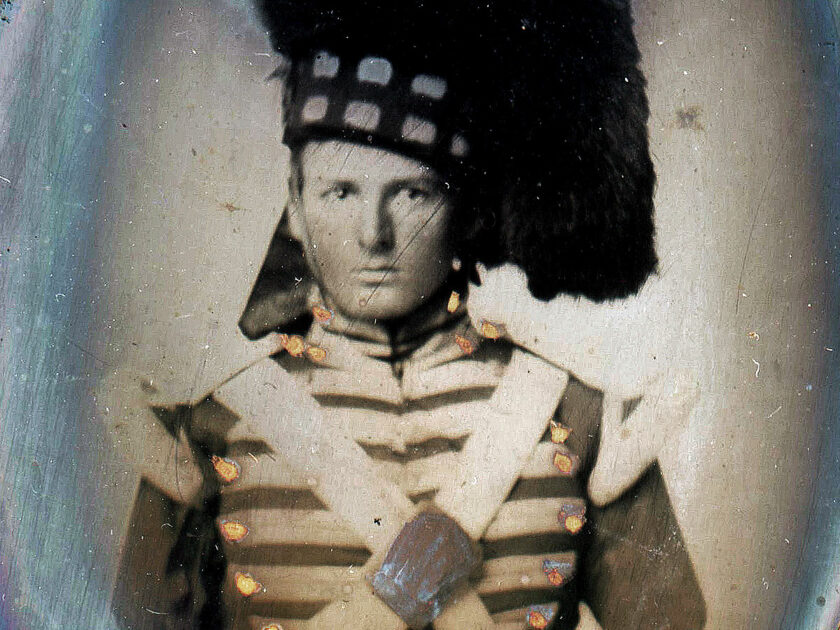
By Ron Field Scottish immigrants to the U.S. during the 19th century brought with them a rich military tradition. Wearing full Highland uniforms, militia companies of Scottish origin formed in

Less than a month after the bombardment of Fort Sumter inaugurated civil war, pro-secession militia in Missouri agitated to join the nascent Confederacy. When word leaked that the militia planned
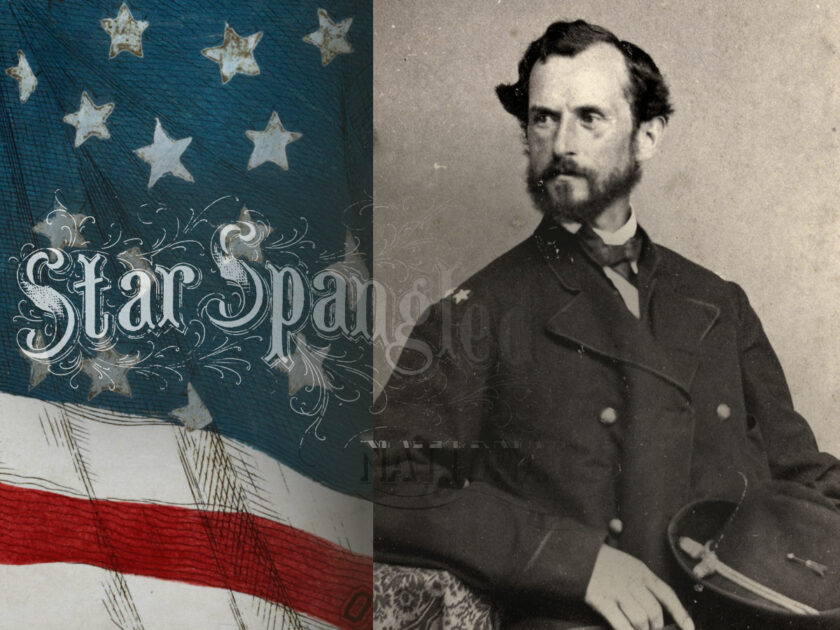
At Atlanta on the afternoon July 22, 1864, a massive assault by Maj. Gen. Frank Cheatham’s Confederate corps tore into the Union’s western front. The attack landed squarely on the
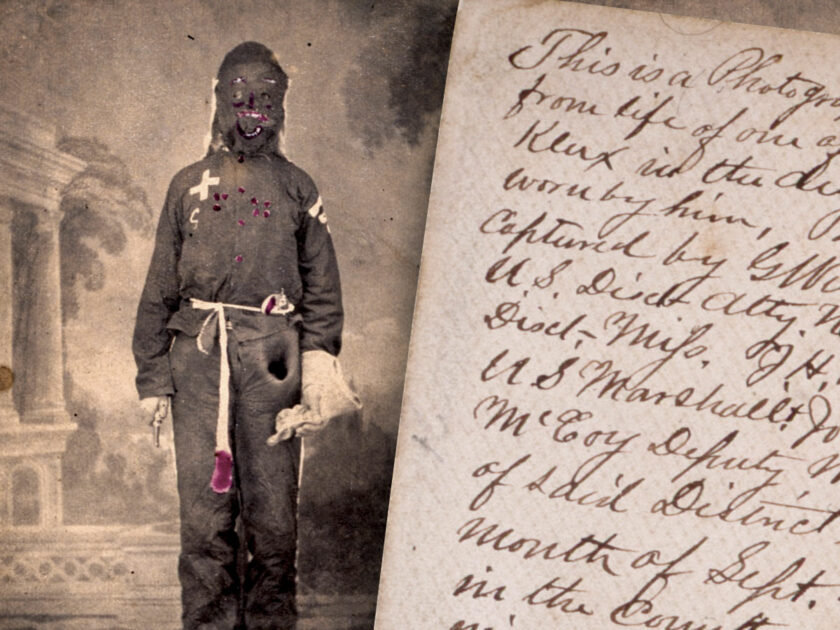
A Ku Klux member, disguised to conceal his identity and intimidate citizens, stands against a backdrop painting of a tranquil scene. The gun he carries adds to his menacing look.
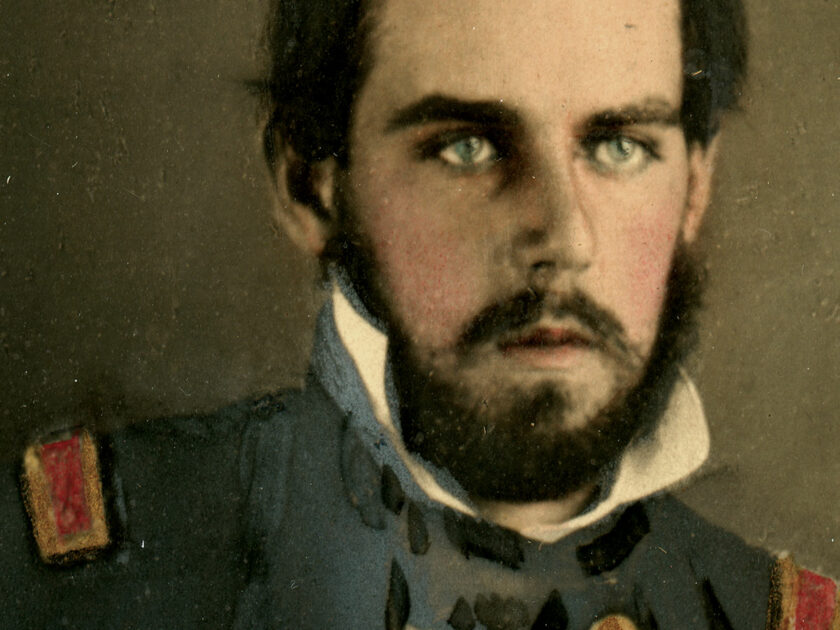
By Ron Maness, featuring images from the author’s collection During a chess match, moving a knight to confront the opposing king in its initial position (King 8) can result in

By Bret Schweinfurth, with images and documents from the author’s collection “We have nothing to do,” Richard H. Thornton wrote home to his folks in early 1863 from McDougall Hospital at
