

Keeper of History
If you ask Rich Jahn about the photographs he has collected for more than four decades, he takes a long view. “We never own these images. We are only the
If you ask Rich Jahn about the photographs he has collected for more than four decades, he takes a long view. “We never own these images. We are only the

By Richard A. Wolfe In the summer of 1861, the Restored Government of Virginia in Wheeling recruited volunteers to meet federal quotas and to preserve its borders. Two years would
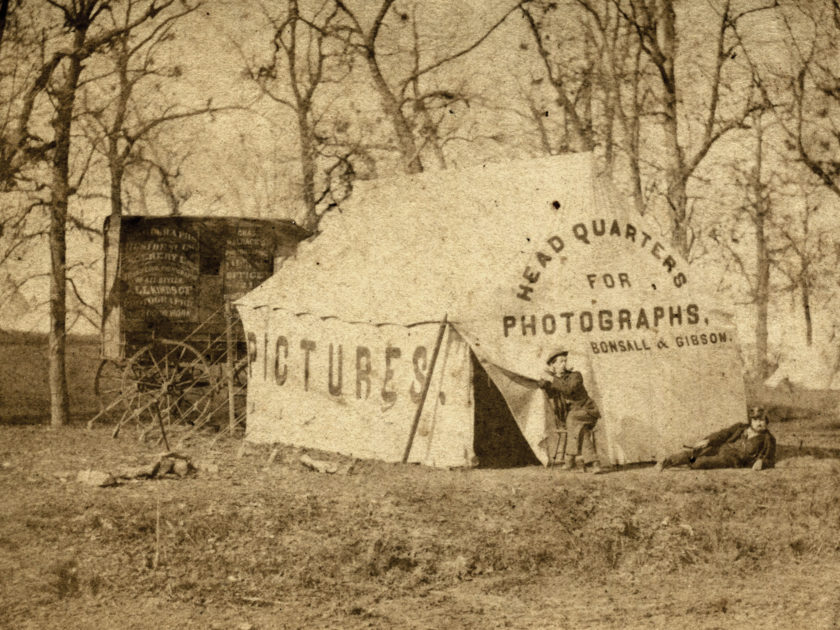
By Ron Field Virtually every military encampment had a traveling photographer nearby or within its limits during the Civil War. This was particularly true in the North, where photographic chemicals
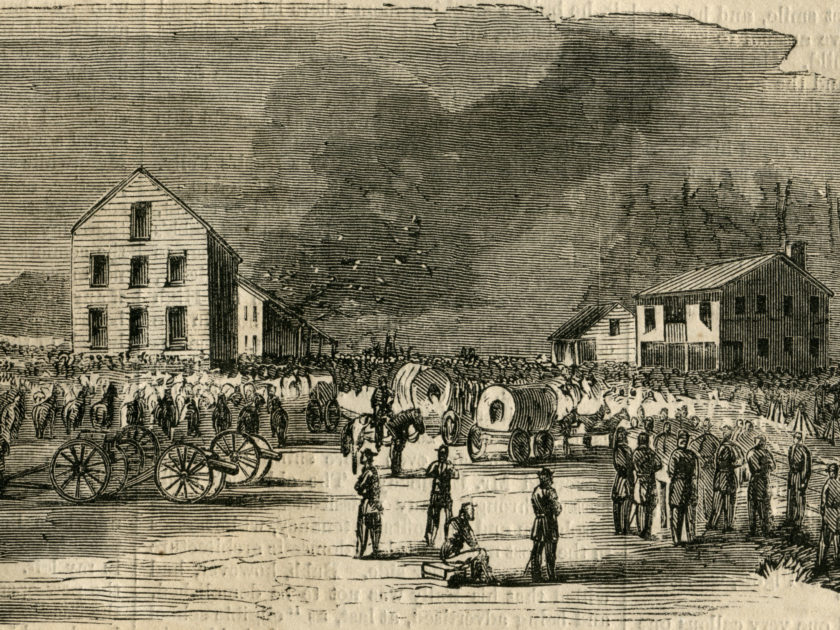
By Paul Russinoff Those who have studied President Abraham Lincoln and his administration will immediately recognize the face of the man seated on the left in this portrait. He is
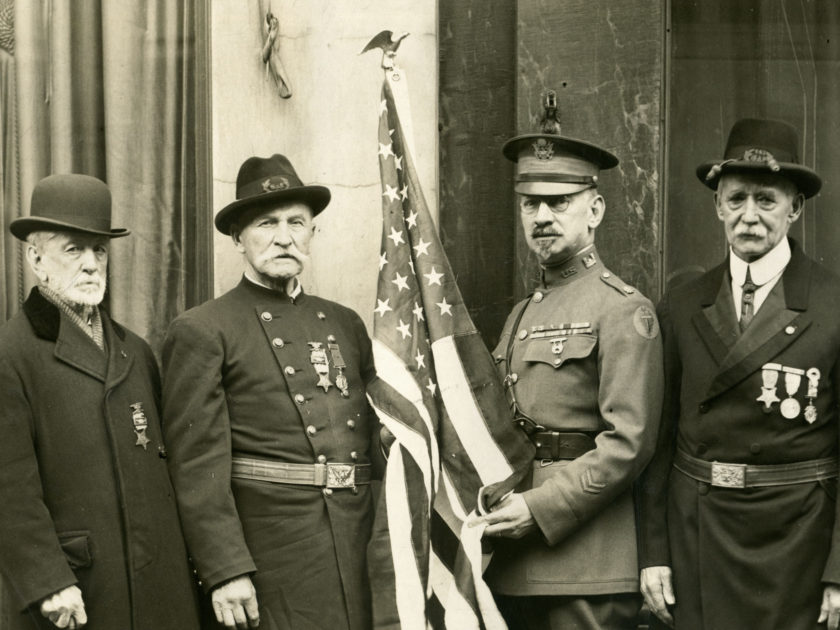
A significant number of Civil War veterans lived to see their sons, grandsons and others in their extended families grow to maturity. In 1917 and 1918, many of these former

The 7th New York State Militia The regiment posed for these group portraits at Camp Cameron in Washington, D.C. in 1861. The studio of Mathew B. Brady is believed to

Henry Meigs Meade had his hands full in 1864. The 24-year-old Navy paymaster was designated as the lone disbursing officer for all of the federal vessels in the regional fleet

No known record exists of how David Henry Bennett, a corporal in the 28th New York Infantry, came into possession of the Confederate cap he wears in this portrait.
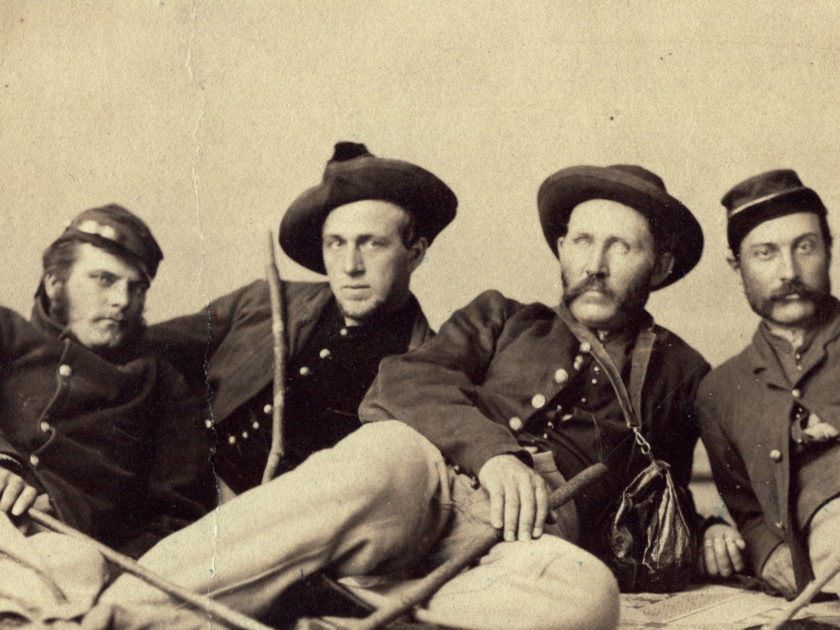
Edmund Rice is a familiar figure to many students of the Civil War. A Massachusetts surveyor at the beginning of hostilities, he worked his way up from captain to brigadier

Francis Wadhams Davenport, dressed in an off-the-shoulder dress and with hands crossed, stares directly into the camera in a circa 1860 tintype. Her husband, George, sits next to her, his