

The Civil War’s First Amputee
By Jan K. Herman By mid to late April 1861, Washington, D.C., was on edge. On April 14, Fort Sumter had just fallen to Confederate forces, plunging the nation into
By Jan K. Herman By mid to late April 1861, Washington, D.C., was on edge. On April 14, Fort Sumter had just fallen to Confederate forces, plunging the nation into

By Gene Eric Salecker, with images from the Sultana Disaster Museum The image of the sidewheel steamer Sultana documents a unique moment in time. Thomas W. Bankes photographed the vessel

By Curt Robbins “My father is here.” These words were spoken by U.S. Navy Lt. Cmdr. Edward Lea as he lay wounded aboard the Harriet Lane in Galveston Harbor, Texas.
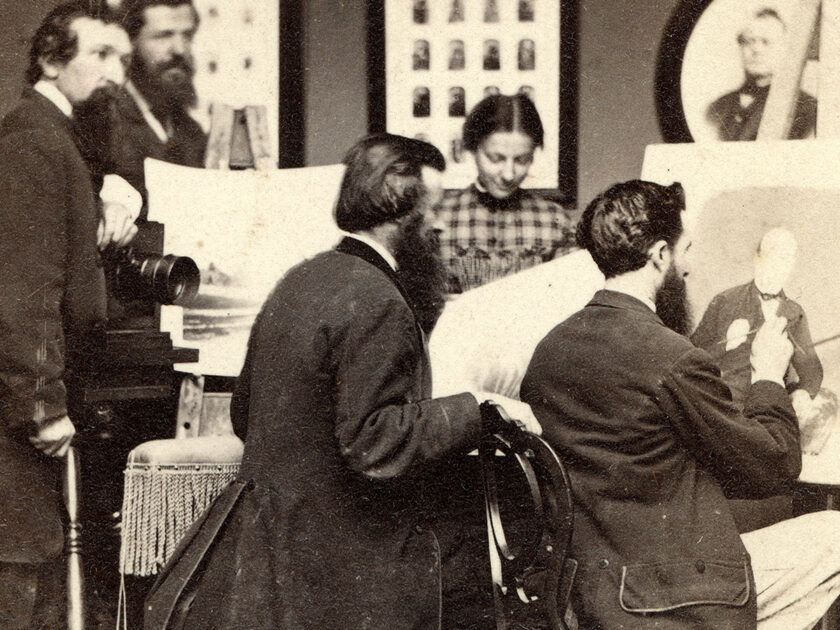
By Kevin Canberg There is a quiet weight that comes with being a caretaker of history. Whether your passion is limited to Civil War photography or sprawls across 250 years
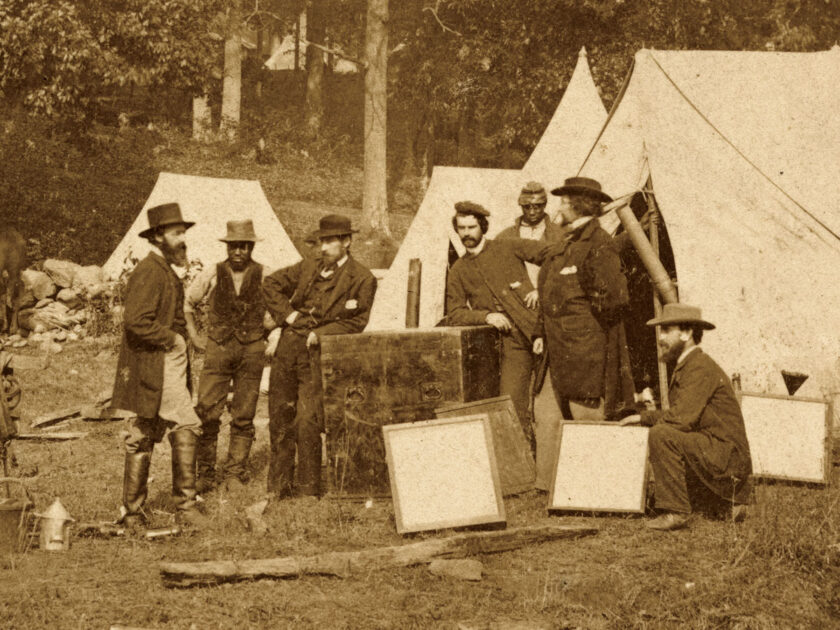
Every collector follows a different path. Some pursue Civil War soldiers, others seek the work of pioneering photographers, anonymous faces, or other unexpected treasures. Beneath these varied interests lies a
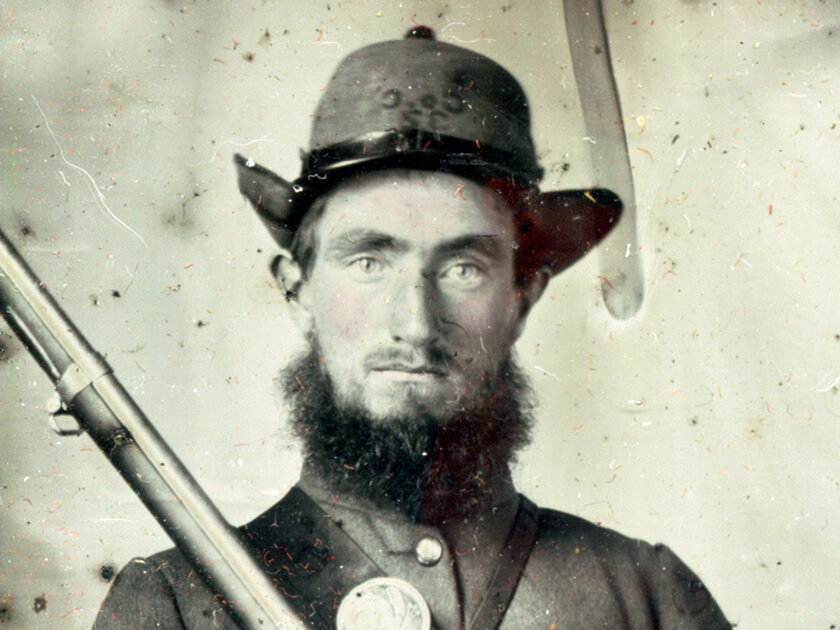
By Ron Field My article “Ugly as the Devil,” published in the Winter 2015 issue, explored various types of Havelock hats worn by Union Army volunteers in 1861. This follow-up

By Melissa A. Winn While recently discussing Civil War research with Military Images Editor Ron Coddington, our conversation took an unexpected turn. “While editing,” he remarked, relaying his work on

By Buck Zaidel and Ronald S. Coddington Portrait painters had been telling stories for centuries before photography arrived. A painted likeness was never simply a face. Artists placed their subjects
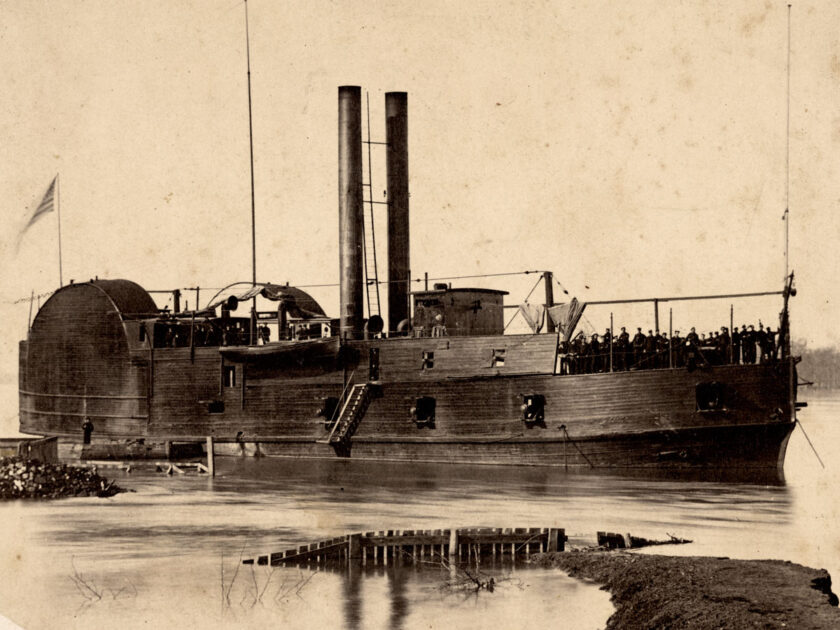
By Ronald S. Coddington Writing in 1864 to a naval officer, Gen. Ulysses S. Grant had high praise for the courageous gunboat commanders along the Mississippi River. “I think Porter,

Wearing “barrel shirts” or “wooden overcoats,” four soldiers under armed guard are paraded through Camp Lookout, Md. In this common form of army punishment by humiliation, the signs on the