
Terror
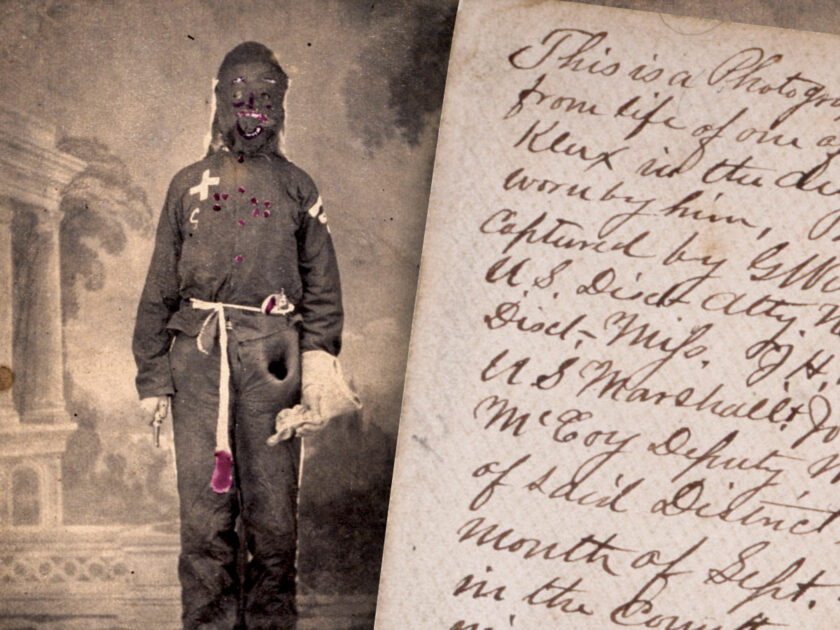
A Ku Klux member, disguised to conceal his identity and intimidate citizens, stands against a backdrop painting of a tranquil scene. The gun he carries adds to his menacing look.

A Ku Klux member, disguised to conceal his identity and intimidate citizens, stands against a backdrop painting of a tranquil scene. The gun he carries adds to his menacing look.
By Ron Maness, featuring images from the author’s collection During a chess match, moving a knight to confront the opposing king in its initial position (King 8) can result in

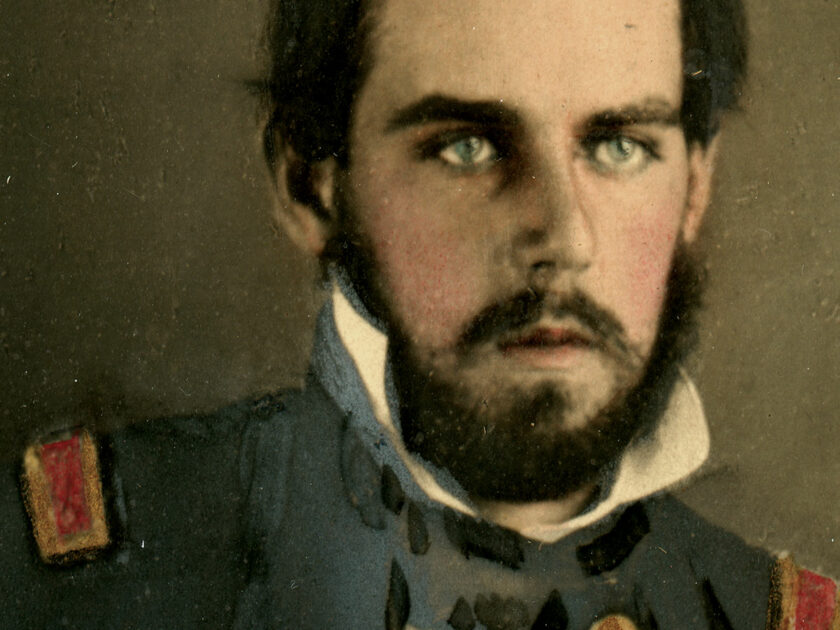
By Bret Schweinfurth, with images and documents from the author’s collection “We have nothing to do,” Richard H. Thornton wrote home to his folks in early 1863 from McDougall Hospital at
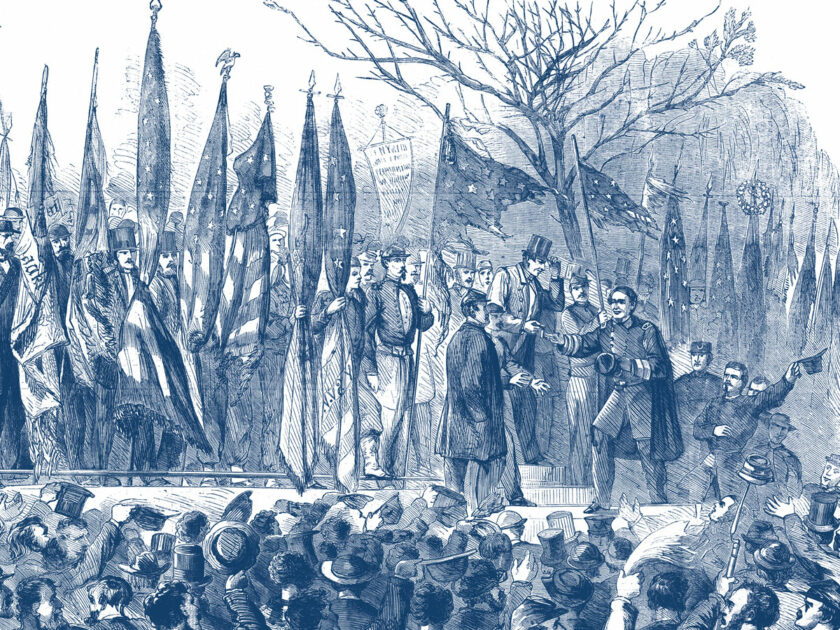
By Richard Leisenring Jr., with images and artifacts from the author’s collection With the surrender of Gen. Robert E. Lee’s army in April 1865, many Union volunteers from Brooklyn, N.Y,

By Elizabeth A. Topping, with images and ephemera from the author’s collection Mail call never failed to break the monotony of camp life and stirred anticipation among men and officers

By Ron Field The expense of full dress and fatigue uniforms required by many antebellum militia companies largely limited their membership to men from the upper classes of American society.

By Adam Ochs Fleischer The backdrop featured in this installment is noteworthy because the content of the scene is compelling and subject to interpretation. Usually, backdrops of the era are
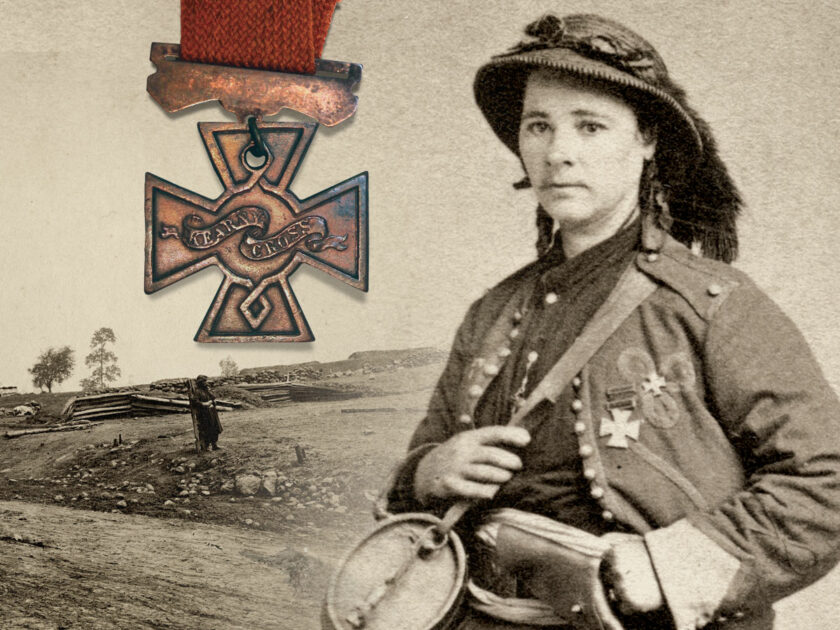
By Melissa A. Winn While 19th century social conventions constrained many American women to the homefront or hospitals during the Civil War, French immigrant Marie Tepe would not be obliged.

About half an hour after the 54th Massachusetts Infantry and the rest of Brig. Gen. George Strong’s Brigade charged Fort Wagner, another Union brigade joined the offense. Commanded by Col.
