
By Phil Spaugy
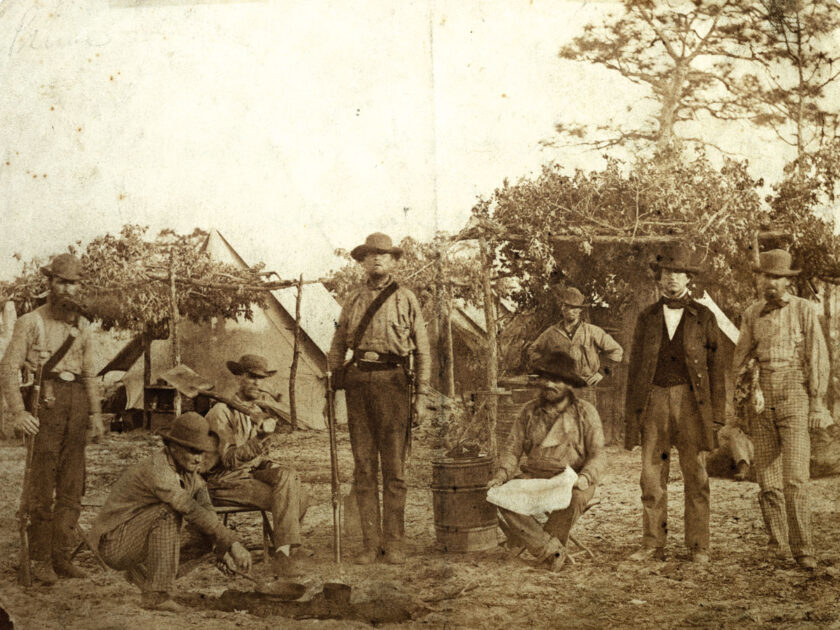
This well-known and often-published image of Company B, 9th Mississippi Volunteer Infantry, is of particular interest to me. It is one of approximately 40 images made in May 1861, by photographer Jay Dearborn Edwards at Camp Magnolia near Pensacola, Fla.
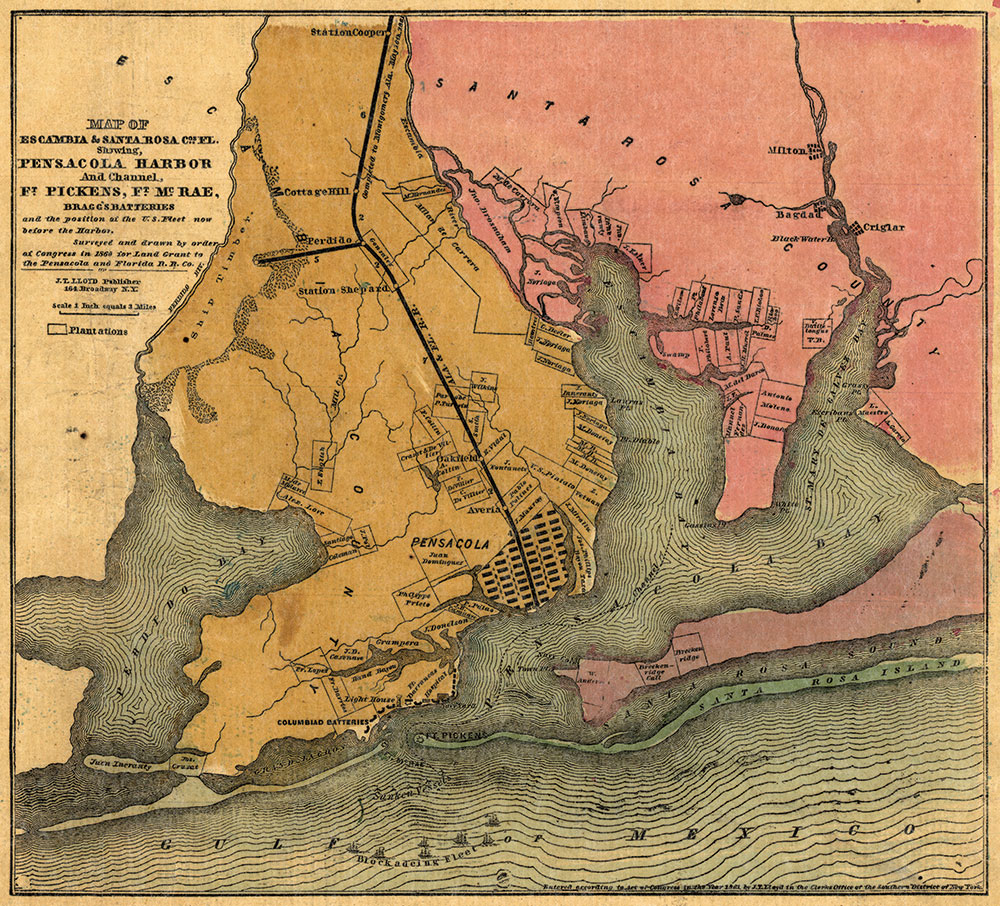
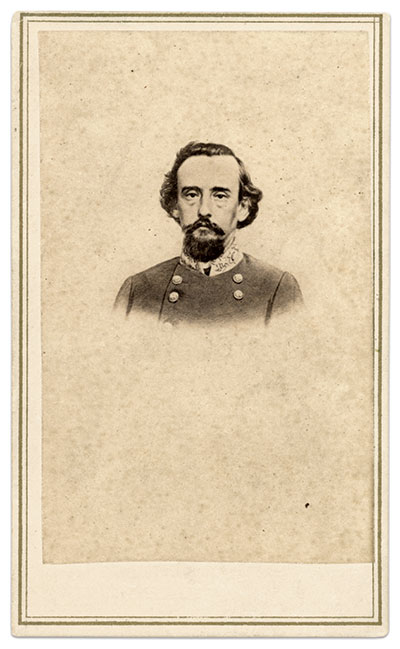
Edwards (1831-1900), a native of New Hampshire who operated a studio in New Orleans, traveled to Florida to document Southern troops. In doing so, he photographed the 9th a month after it mustered into Confederate service—the first infantry regiment from Mississippi to do so. Under its commander, Col. James R. Chalmers, the 9th joined military forces gathering in Pensacola under the command of Brig. Gen. Braxton Bragg,
Edwards provided an excellent glimpse of the arms and accoutrements of Confederate soldiers, their camps, and other landmarks.
About the Image
Company B, 9th Mississippi Volunteer Infantry, in camp, May 1861. It is evident from the variety of headgear and clothing that these early war volunteers had not yet issued uniforms. Even though checkered trousers abound, there is no consistency. However, the lack of uniform coats or jackets may be explained by the Florida heat. The regiment did enjoy the benefit of being well-armed, first with Maynard Breech Loading Rifles until the end of April 1861, and, as this image reveals, the Model 1855 Harpers Ferry rifles.
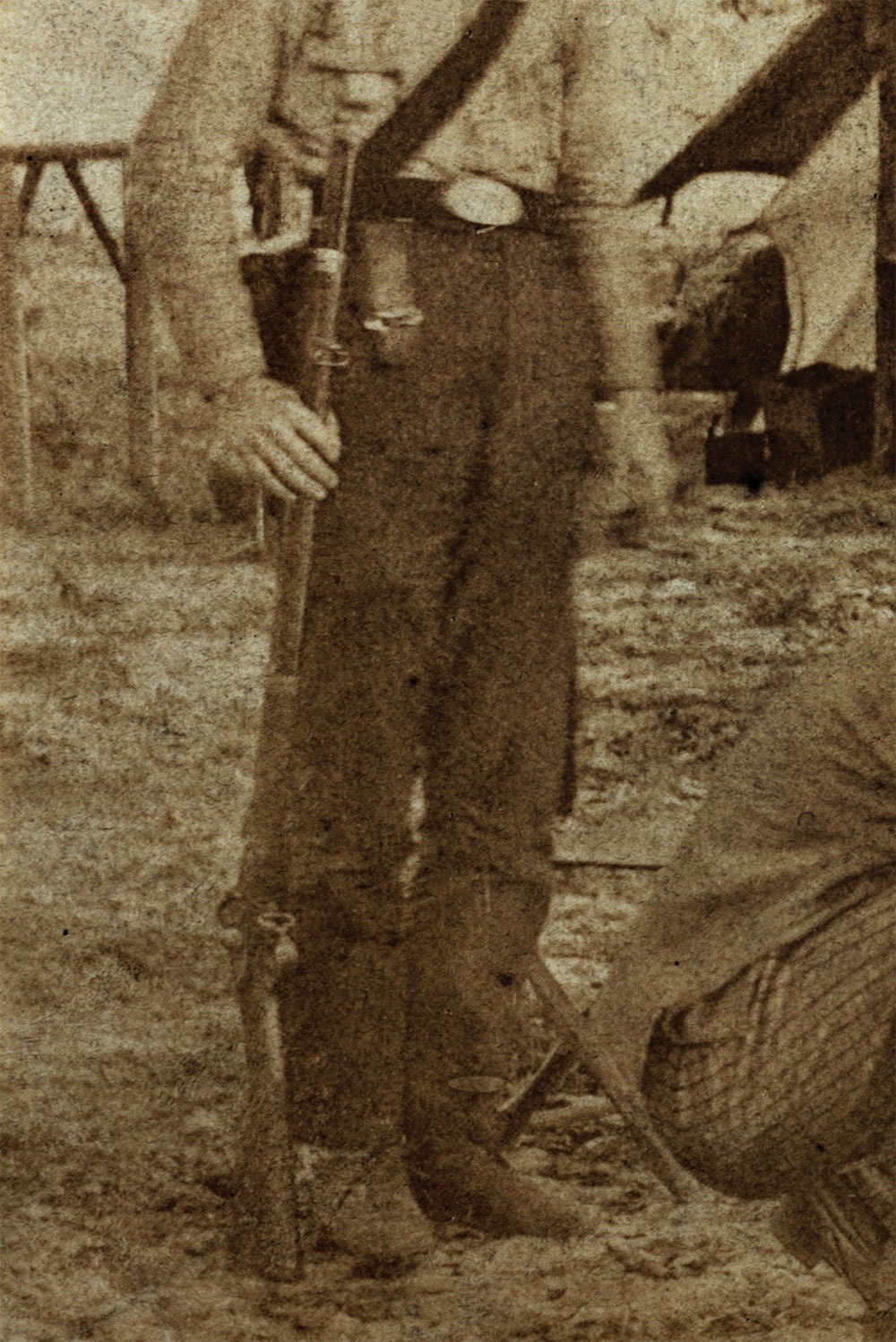
The Model 1855 Iron Mounted rifle: Manufactured at the Harpers Ferry Arsenal between 1857 and 1861, it was part of a series of firearms, which included a rifle musket and pistol carbine. Featuring the Maynard tape primer ignition system and using the .58 caliber Burton or Harpers Ferry ball (a redesign of the Minié ball), the rifle was issued with a fearsome 27-inch-long sword bayonet. In May 1860, the state of Mississippi received 212 of these rifles with bayonets under the terms of the Militia Act of 1808.
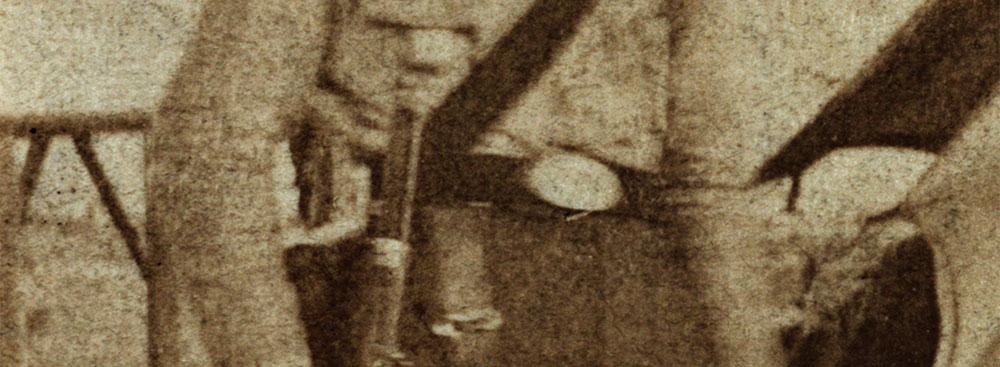
The rifle bore wooden tompion which kept water, dirt, or, in this case, sand out of the barrel. Also visible on the barrel is the bayonet lug to which the sword bayonet is attached.
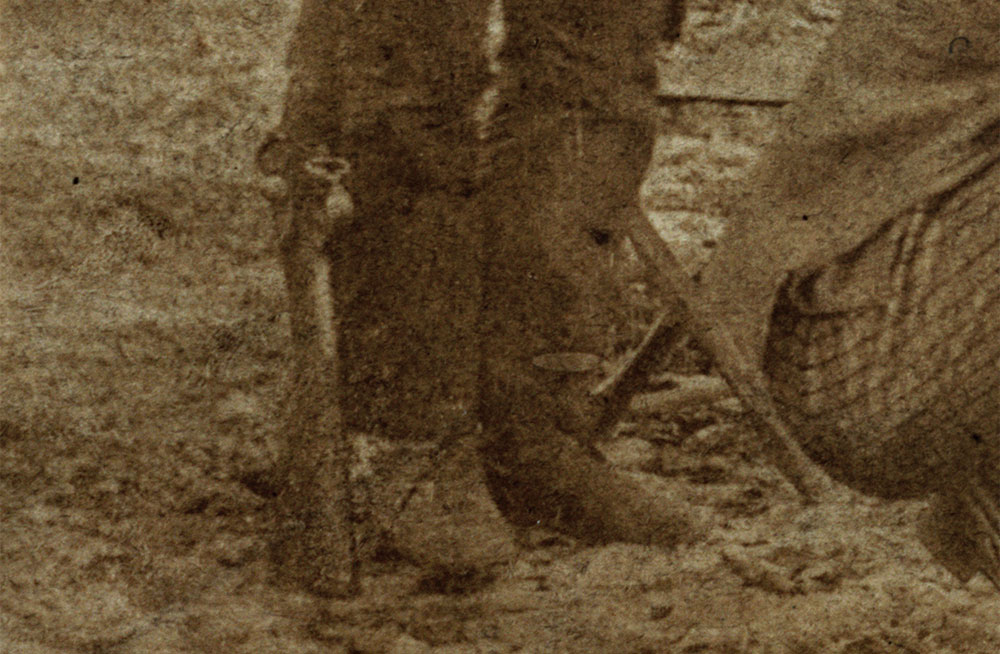
The Maynard tape primer lock with its distinctive tape primer door.
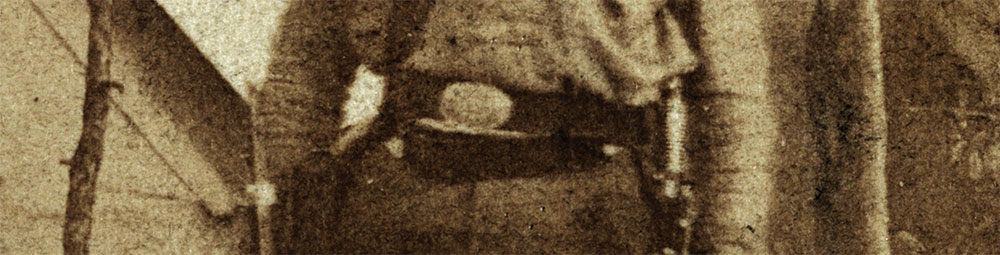
Mississippi belt plate.
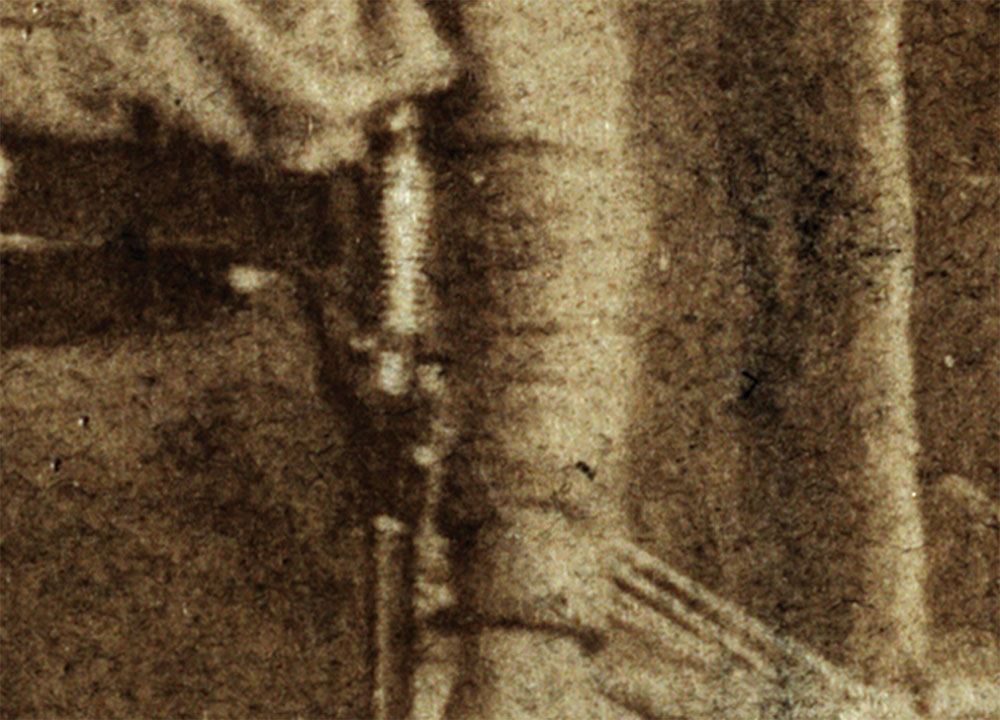
Model 1855 Sword Bayonet.
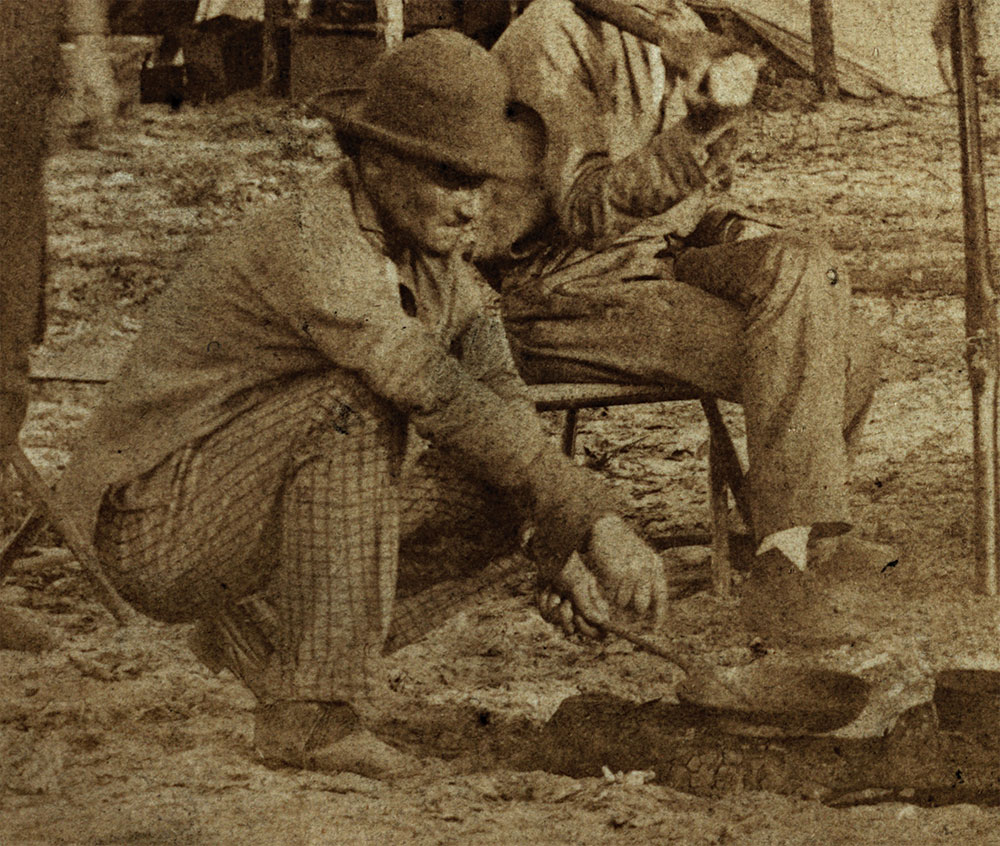
Kinloch Falconer, frying meat for his mess, graduated from the University of Mississippi in 1860 and he became involved in the family newspaper business. At the outbreak of hostilities, he joined Company B as a private. His father, Thomas A. Falconer (1810-1878), reading a newspaper, also served in the ranks. His responsibilities changed significantly in April 1862 when he became a major in the Confederate States Army Adjutant General Department. Before the year’s end he served as Gen. Braxton Bragg’s assistant adjutant general. He served in this capacity until the end of the war. Falconer suffered a thigh wound at Dug Gap, Ga., in May 1864.
After the war, Falconer obtained a law degree and continued in the newspaper business. Elected Mississippi’s Secretary of State in 1875, he left the capital three years later to care for his father and brother, stricken with yellow fever. Both died, and Kinloch himself also fell ill and succumbed to the dread disease.
After the Photograph
The 9th faced its first fight on Oct. 10, 1861, on Santa Rosa Island, located a few miles from Pensacola. The goal of the Confederate attack, to capture Union-held Fort Pickens on the western edge of the barrier island, failed. At the end of its one-year term, the unit enlisted for three years and fought many actions with the Army of Tennessee. The remnants of the regiment surrendered in North Carolina in April 1865.
Colonel Chalmers went on to a distinguished combat career. Promoted to brigadier general, he led infantry brigades at Shiloh and Murfreesboro, and later a cavalry division under Nathan Bedford Forrest. After the war he practiced law and served in the Mississippi State Senate and the U.S. House of Representatives. He died in 1898 at 67.
References: Official Records of the War of the Rebellion, Series I, Volume 6; American Military Equipage, Volume II, State Forces; Willyard, U.S. Model 1855 Series of Small Arms, Davis, ed., The Image of War: 1861-1865, Volume 1, Shadows of the Storm; Warner, Generals in Gray; Field, Silent Witness.
Phil Spaugy is a longtime member of the North South Skirmish Association (N-SSA). He studies arms and accouterments of federal infantry soldiers with an emphasis on his home state of Ohio, firearms of the U.S. Arsenal at Harpers Ferry, and the Iron Brigade. He is a partner with Jim Hessler, in Hessler Spaugy Action Travel. Phil is a retired aviation services company executive who lives in Vandalia, Ohio, with his wife, Amy. He is a MI Senior Editor. Contact Phil at PhilSpaugy@gmail.com.
SPREAD THE WORD: We encourage you to share this story on social media and elsewhere to educate and raise awareness. If you wish to use any image on this page for another purpose, please request permission.
LEARN MORE about Military Images, America’s only magazine dedicated to showcasing, interpreting and preserving Civil War portrait photography.
VISIT OUR STORE to subscribe, renew a subscription, and more.
1 thought on “Johnnies on the Florida Coast: In Camp with the Jeff Davis Rifles, Company B, 9th Mississippi Infantry”
Comments are closed.