
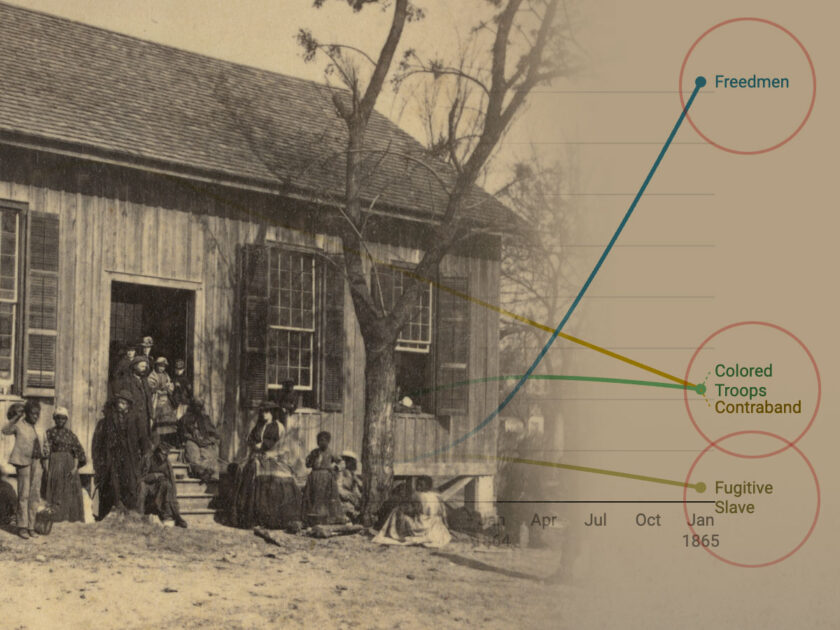
Shifting Terminology for Enslaved People
As the Civil War transformed the legal and social status of Black Americans, the language used to describe them evolved as well. In 1861, Maj. Gen. Benjamin F. Butler claimed
As the Civil War transformed the legal and social status of Black Americans, the language used to describe them evolved as well. In 1861, Maj. Gen. Benjamin F. Butler claimed
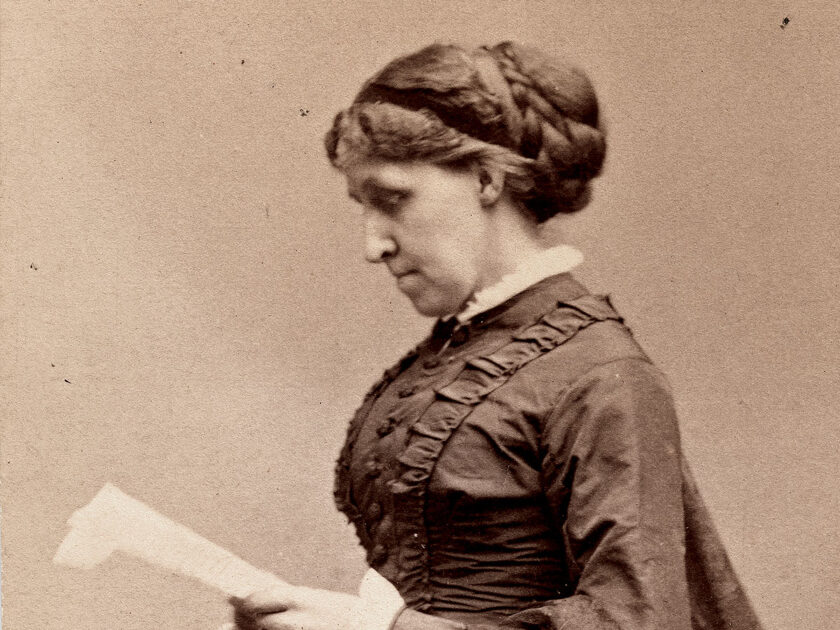
By Melissa A. Winn Long before Little Women became a beloved classic, Louisa May Alcott emerged as a young woman of principle and passion, shaped by poverty, reformist ideals, and

By Scott Valentine When William Estes Hacker regained consciousness after a bullet knocked him off his feet at Antietam, he became aware of the appalling human carnage around him. The
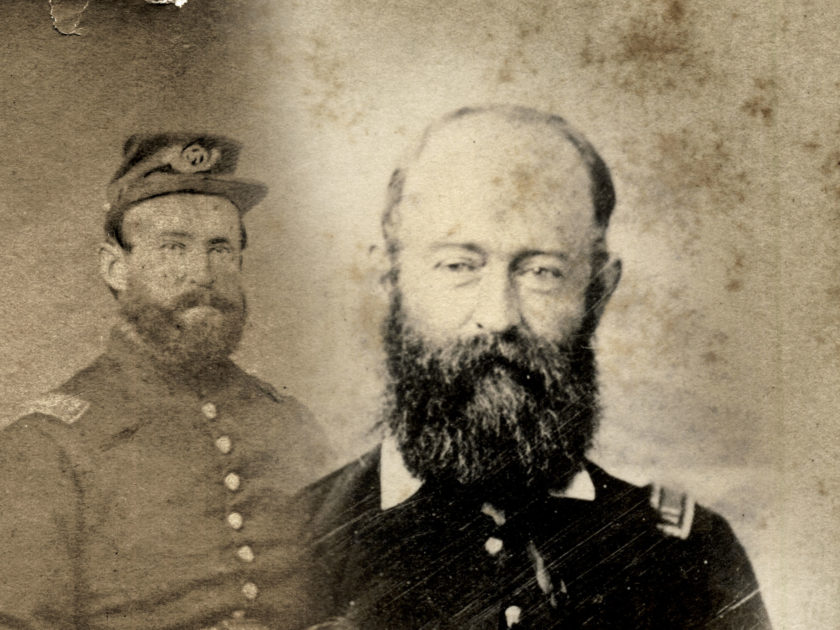
Fort Lamar, a roughly M-shaped earthwork bordered by swamps on each side, was a key strategic point for Confederate forces on James Island, S.C. If it fell into enemy hands,

Keepsake mementos and other trinkets dangled from the ends of pocket watch chains worn by veterans long after the Civil War. The object that hung from Sam Wright’s chain never
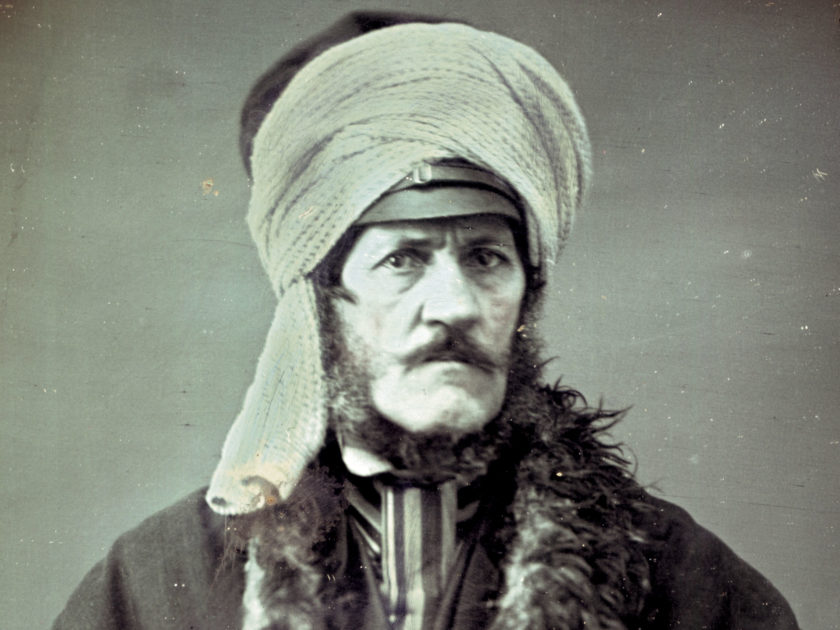
By Mike Medhurst In late 1827, a second lieutenant fresh from the U.S. Military Academy arrived at Jefferson Barracks in St. Louis. He was Philip St. George Cooke, a son
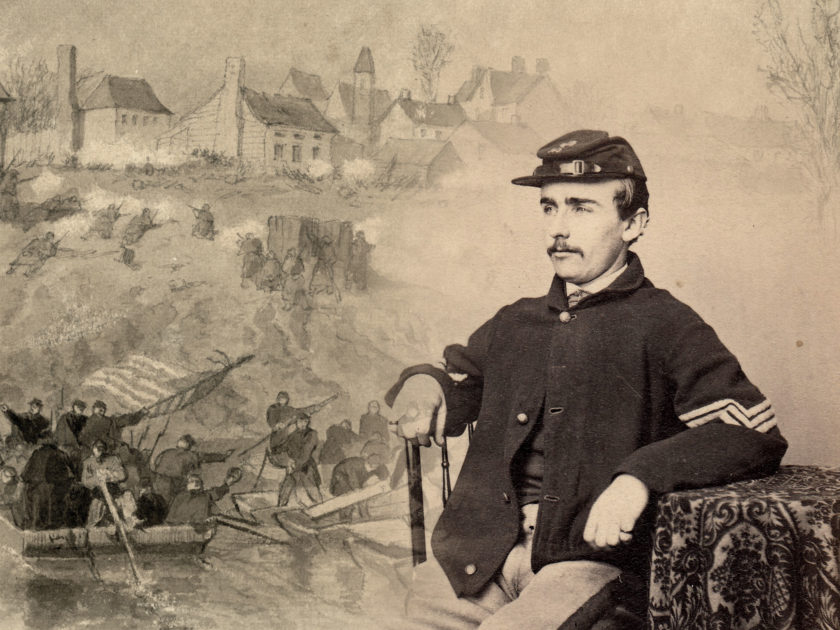
By Scott Valentine On an inclement December eve at a Grand Army of the Republic meeting about 30 years after the war, veteran Josiah Murphey experienced a dull ache in

The 7th New York State Militia The regiment posed for these group portraits at Camp Cameron in Washington, D.C. in 1861. The studio of Mathew B. Brady is believed to

By Brian Boeve In the late summer of 1862, Maj. Gen. William S. Rosecrans moved his federals into Mississippi looking for Confederates. Brusque and argumentative, “Old Rosey” was under orders
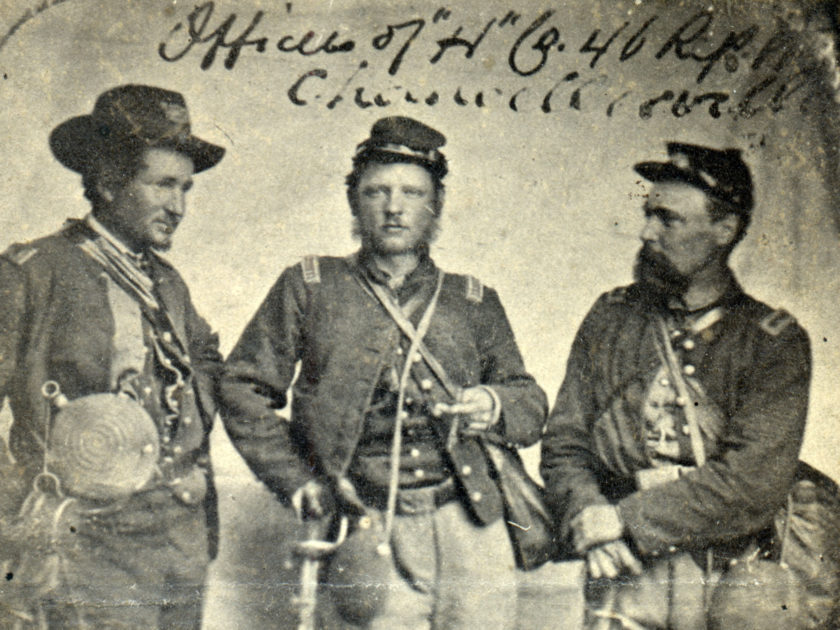
By Ben Myers If Lt. Alexander W. Selfridge had a moment to take in what was about to happen to his company, it was probably fleeting. Perhaps he noticed that