
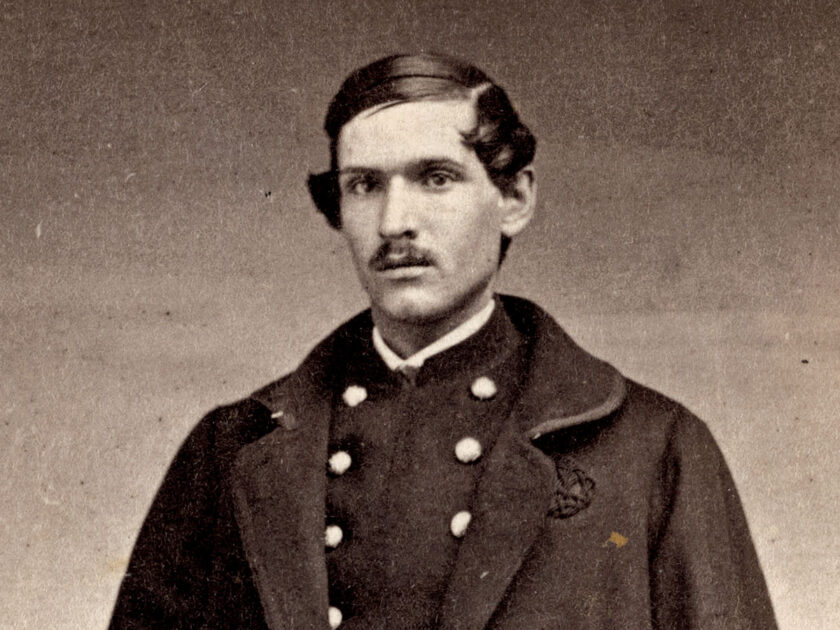
Wounded at Gettysburg, Vilified for a Political Scandal
In every battle he fought, William Wade Dudley “distinguished himself as a good soldier, which is the highest possible recommendation that can be given any man,” according to an 1881
In every battle he fought, William Wade Dudley “distinguished himself as a good soldier, which is the highest possible recommendation that can be given any man,” according to an 1881
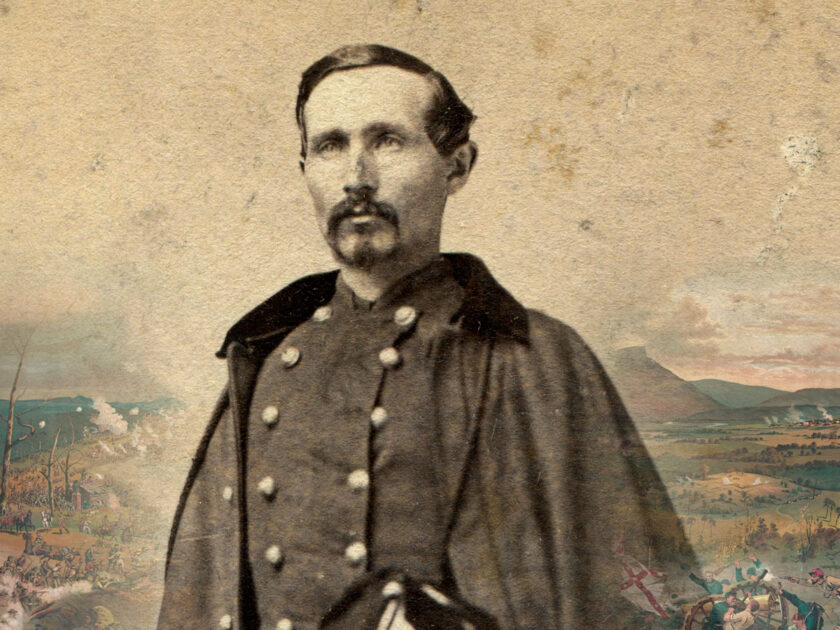
By Evan Phifer At Missionary Ridge on November 25, 1863, Maj. Ruel M. Johnson assumed command of the 100th Indiana Infantry after its commander, Lt. Col. Albert Heath, received a
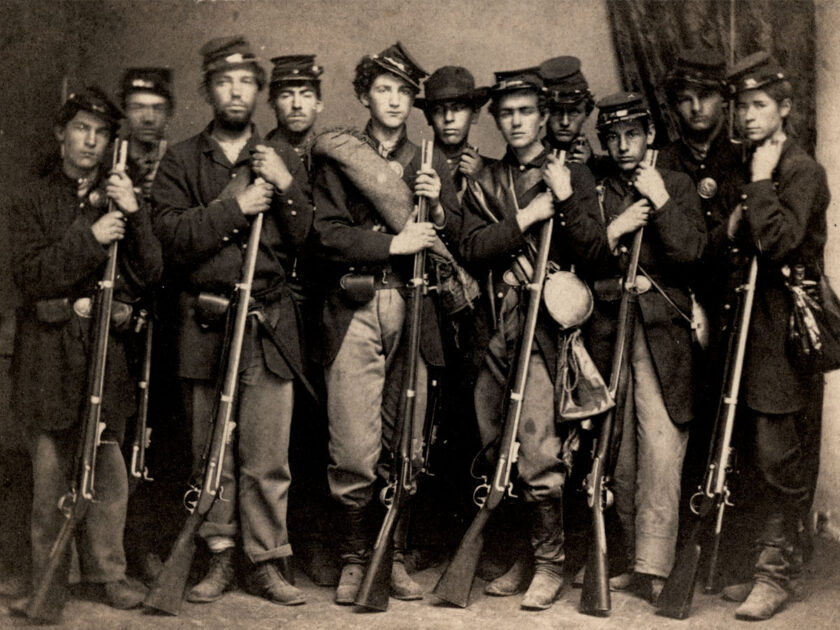
By Phil Spaugy Eleven veteran federal infantrymen standing at ease with their U.S. Model 1842 rifled muskets are front and center in this richly detailed portrait by a photographer in
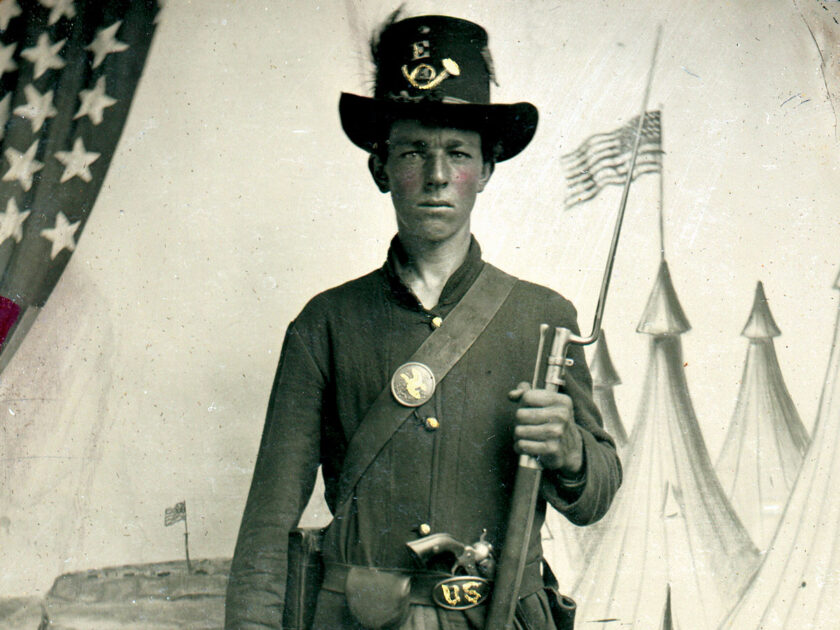
Whether posed in a studio at Indianapolis, Terre Haute, Fort Wayne, or in the field, the Hoosier soldiers who look out from these portraits represent the citizens who left farms,
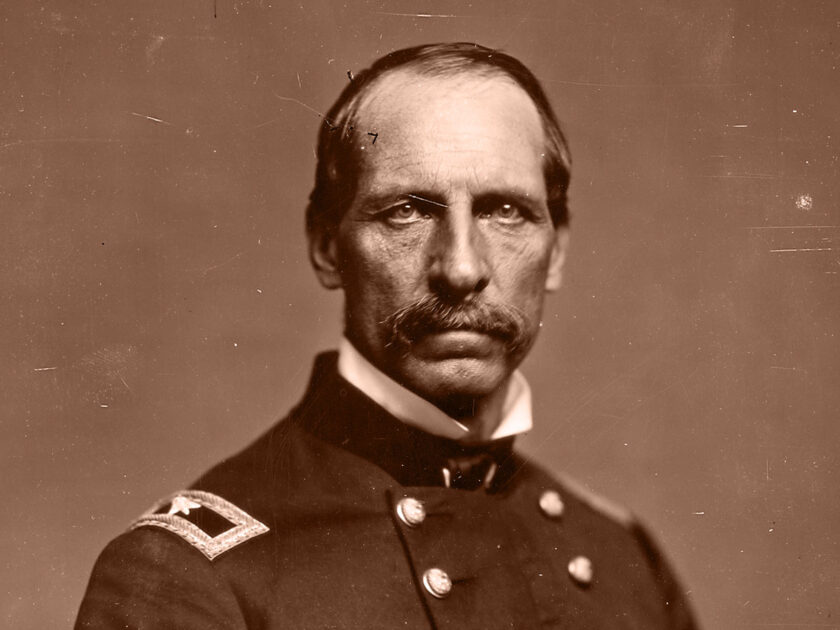
By Lance J. Herdegen During a military review in 1863, President Abraham Lincoln said with a sly smile that Solomon Meredith of Indiana was “the only Quaker general I have
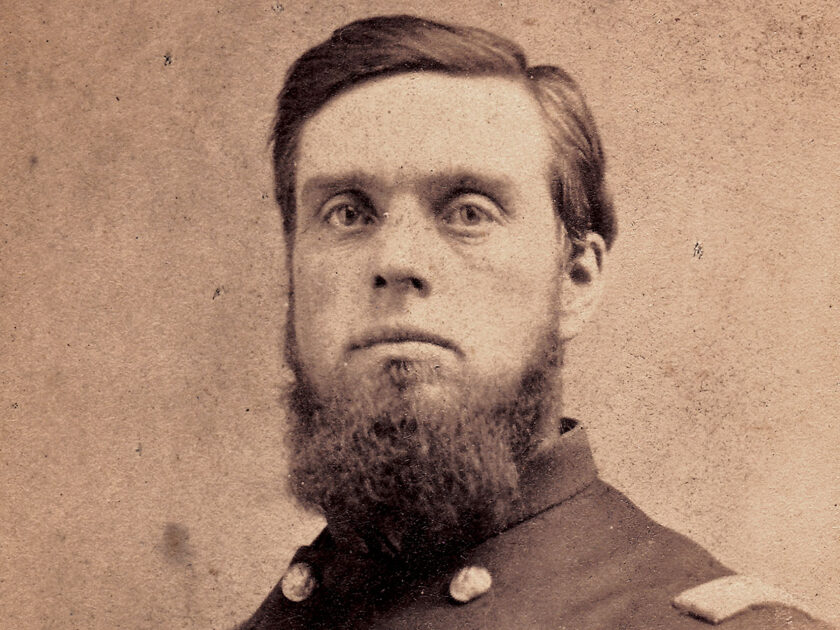
By Ronald S. Coddington Wilder’s “Lightning Brigade” emerged as the Union Army’s innovative counter to fast-moving Confederate cavalry. The notable brigade of mounted infantry and artillery was ably led by
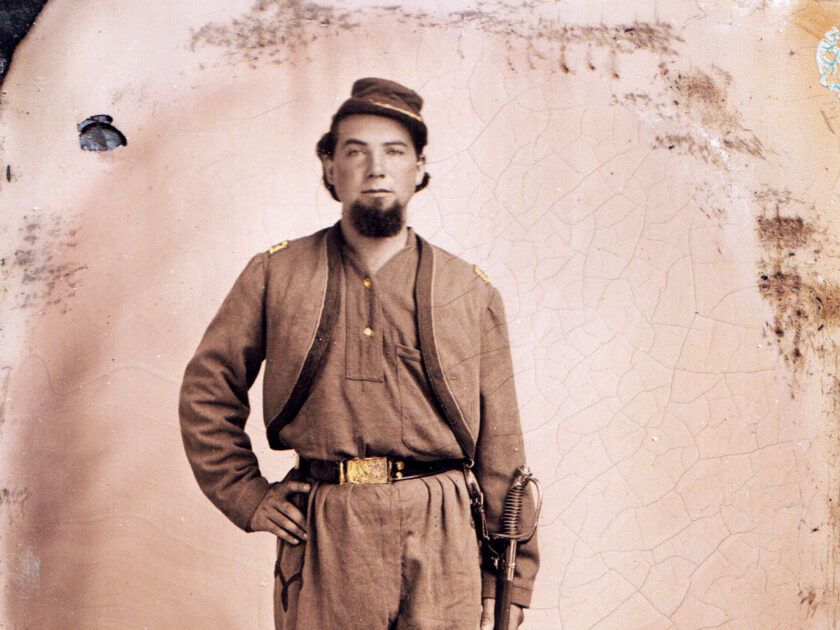
By Ron Field Organized at Indianapolis by Col. Lewis Wallace on April 21, 1861, the 11th Indiana included as its nucleus the Montgomery Guards and Independent Zouaves, two existing uniformed
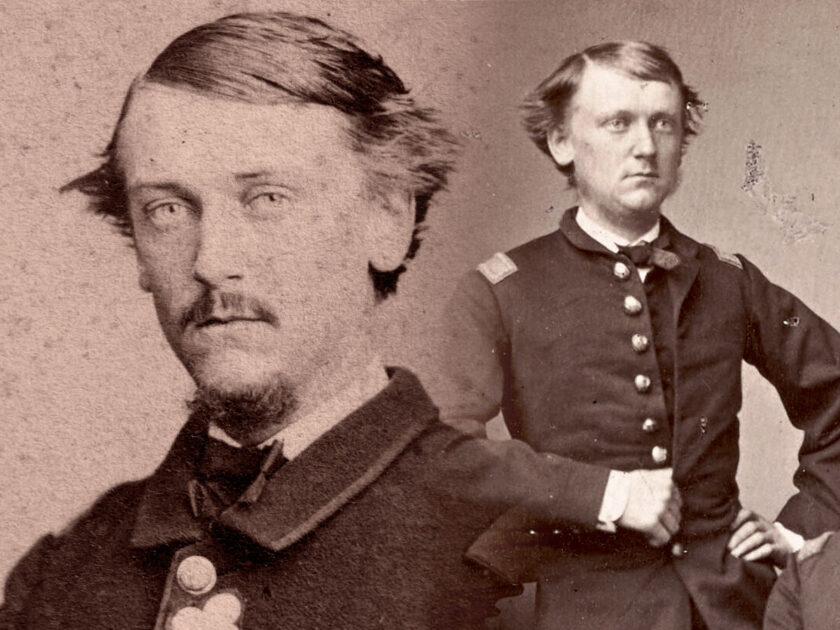
By Scott Valentine Poinsett Cooper seemed destined to find his calling in the military. His father, Benjamin, served as a midshipman in the U.S. Navy during the War of 1812
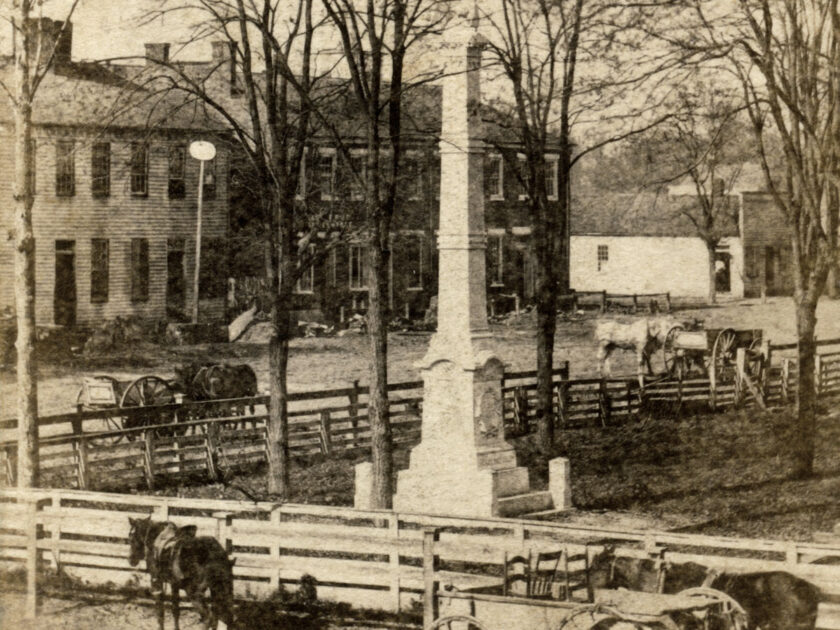
On April 24, 1863, during an evening dress parade in the camp of the 58th Indiana Infantry near Murfreesboro, Tenn., Lt. Col. James T. Embree made an offer: “To raise
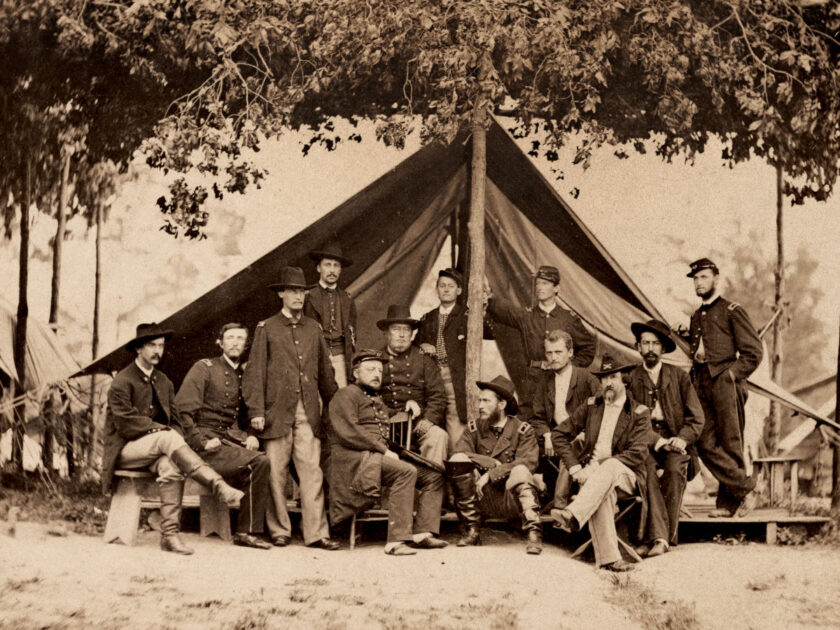
By Scott Valentine Many a Northern man did not answer the call to join the Union army in 1861. One of them, Samuel Augustus Duncan, continued teaching students at Dartmouth