
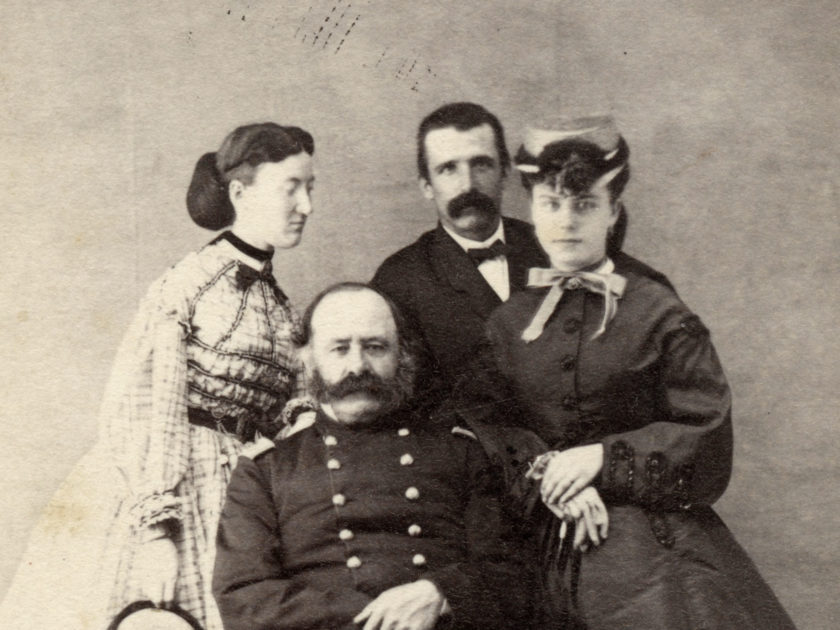
Union Wives and Their Generals
By Tom Glass Nearly all the generals who served the North during the Civil War were married. Left behind at home, their wives cared for families, farms, businesses and relatives.
By Tom Glass Nearly all the generals who served the North during the Civil War were married. Left behind at home, their wives cared for families, farms, businesses and relatives.

By Kurt Luther Not long ago, I received a gift of a carte de visite of an unidentified Civil War soldier, probably a Union private, wearing a short jacket and
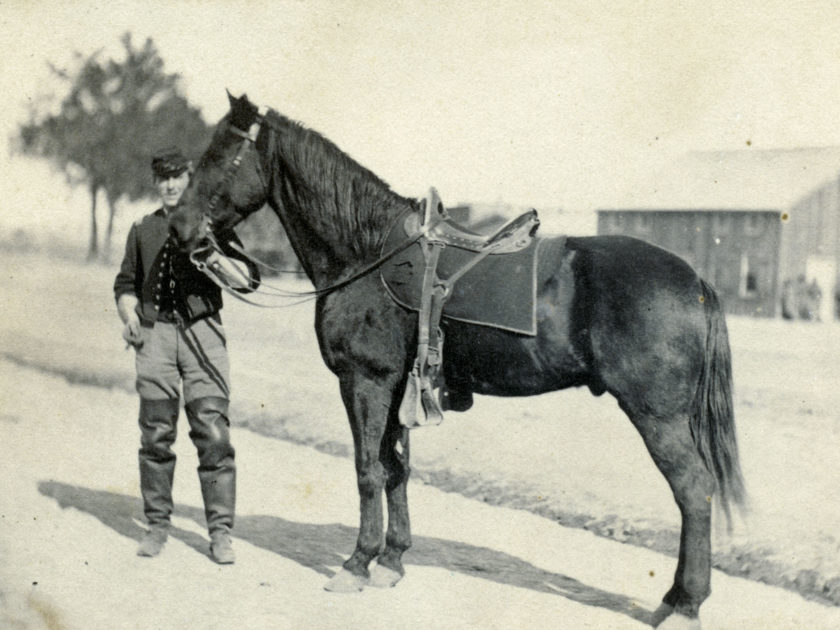
By James Paradis The 5th Massachusetts Cavalry was the only black cavalry regiment from Massachusetts. Its veteran commander, Col. Henry S. Russell, had distinguished himself earlier in the war with
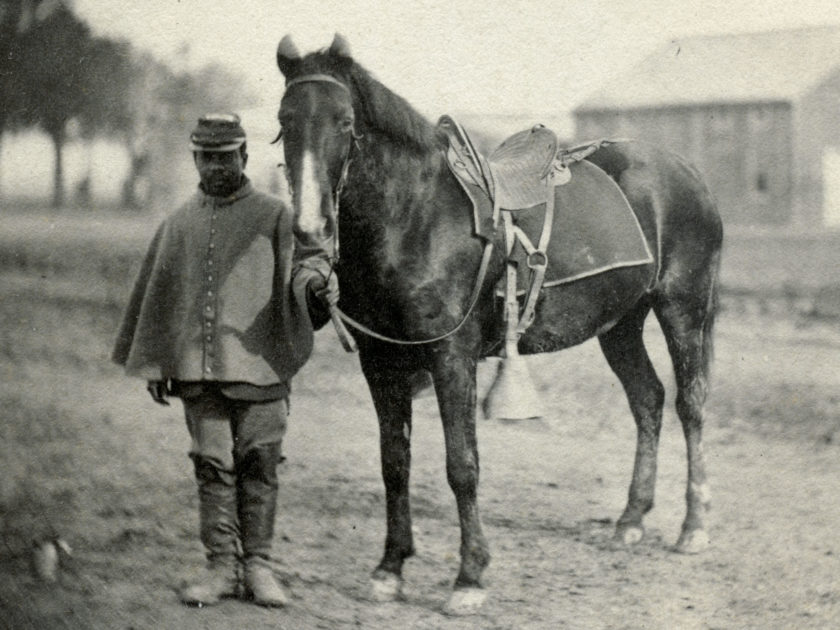
By J. Matthew Gallman When we attempt to understand history, we often find that empirical truths unfold alongside significant symbolic moments. And, to make things even more complicated, it is

By John O’Brien Of all the photographs of Robert E. Lee, one stands out as favored above the rest: the gray-coated general seated on his faithful mount, Traveller. According

Hosea Ballot Ellis (1822-1889), of Quincy, Mass., is attired in the uniform of a Bay State militiaman. Standard trappings include white shoulder belts, epaulettes and a black waist belt with
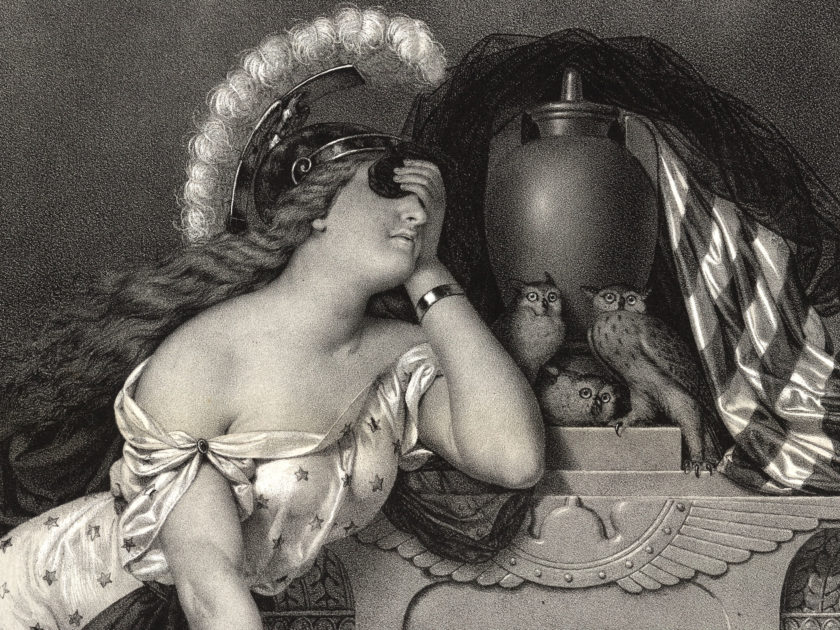
By Kathleen Heyworth White attitudes towards African Americans varied greatly throughout the Union army during the Civil War, even within regiments. Such was the case in the 7th Illinois Infantry.
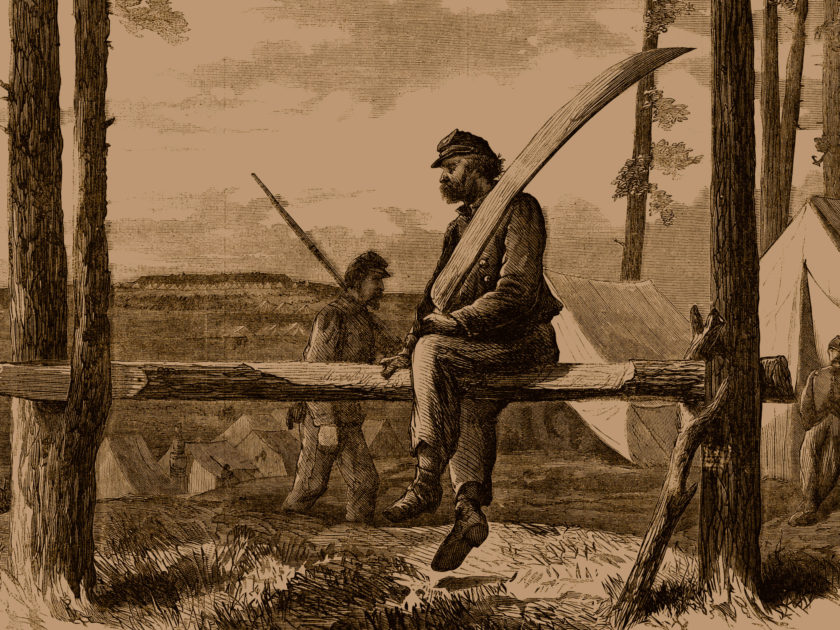
By Robert L. Kotchian During my college days in Salt Lake City almost 50 years ago, I would search antique shops looking for Civil War treasures, following my classes on
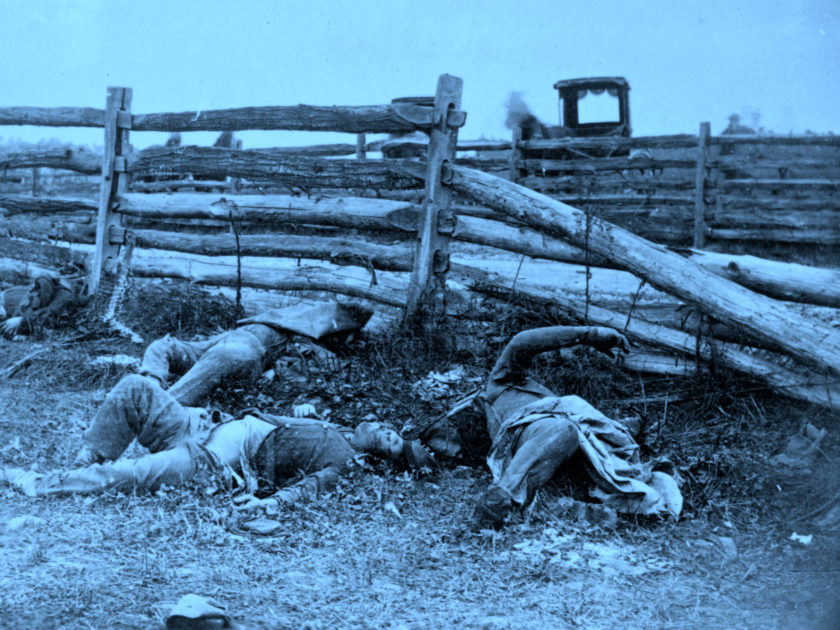
By Scott Valentine “Soldier’s Heart” was one term used in the 19th century to describe a mental health condition known today as Post-Traumatic Stress Disorder, or PTSD. Other terms were
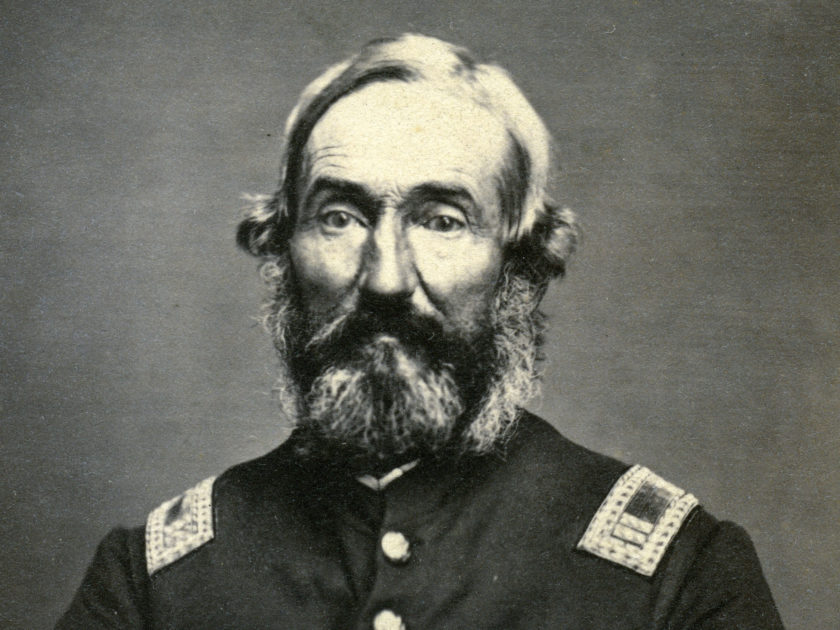
By Ronald S. Coddington In the maelstrom of fighting at Stones River on the last day of 1862, dense clouds of gun smoke hung like a pall over the bloody