
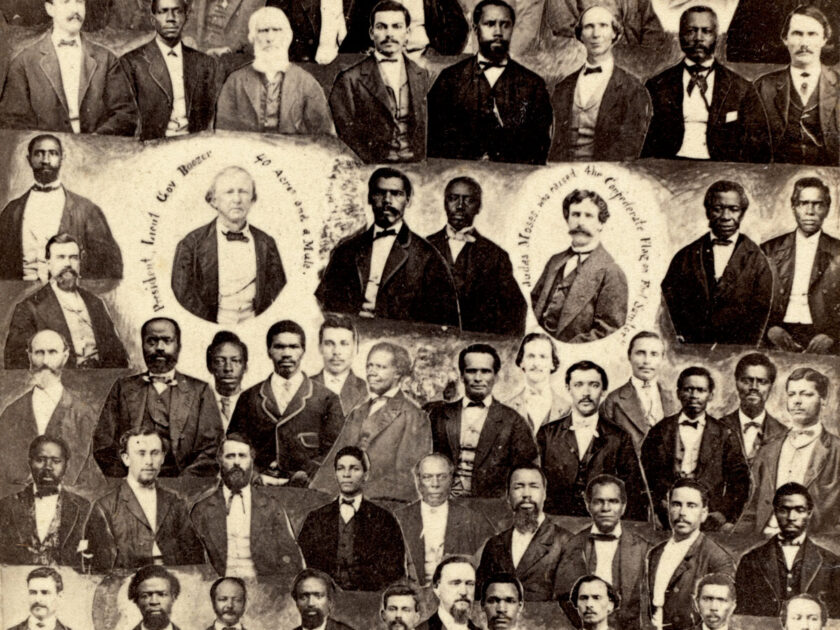
Prince Rivers and the Post-Civil War South Carolina Legislature
By Stephen Berry and Kurt Luther Prince Rivers (c. 1822-1887) was born enslaved in South Carolina and worked as a coachman before escaping to Union lines in 1862. He became
By Stephen Berry and Kurt Luther Prince Rivers (c. 1822-1887) was born enslaved in South Carolina and worked as a coachman before escaping to Union lines in 1862. He became
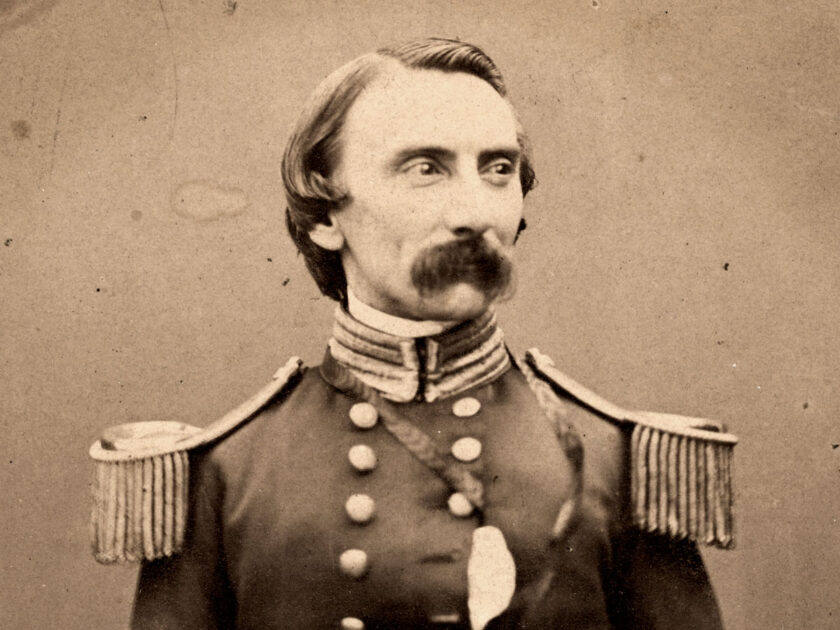
The world drew a little closer together in the summer of 1858. On August 16, the first telegraphic message transmitted by cable across the Atlantic Ocean connected Great Britain and
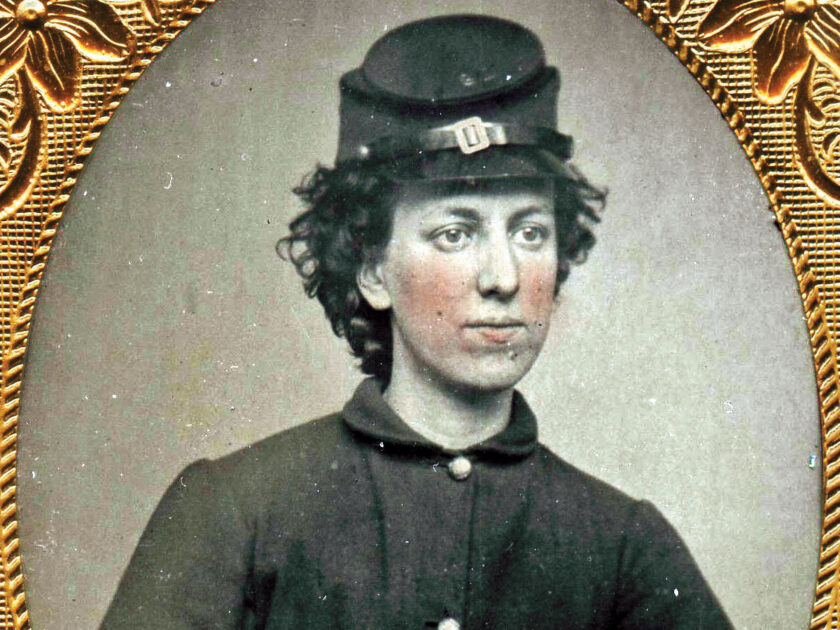
By Richard Look Two young ladies put on the uniform of a soldier named Frank and posed for their portraits in 1863. We know this from notes tucked into the
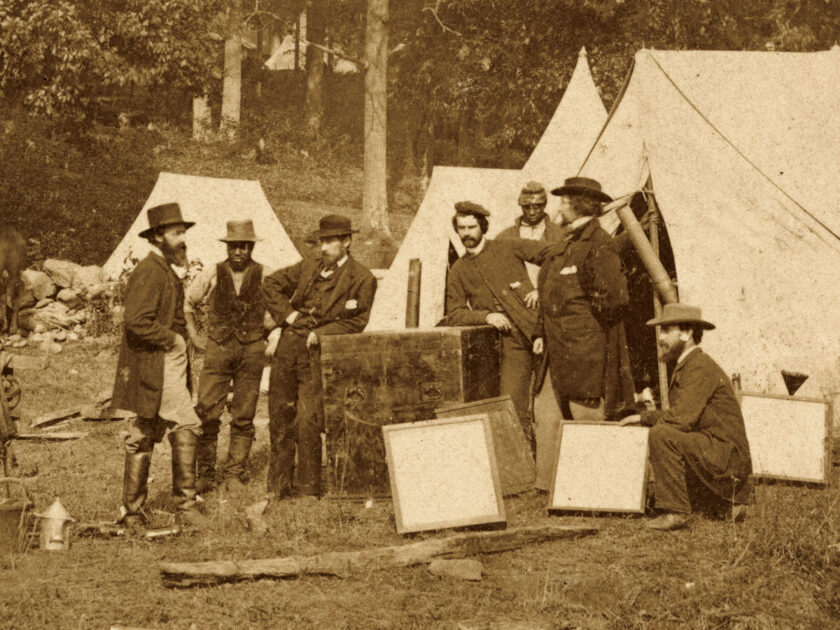
Every collector follows a different path. Some pursue Civil War soldiers, others seek the work of pioneering photographers, anonymous faces, or other unexpected treasures. Beneath these varied interests lies a

By Buck Zaidel and Ronald S. Coddington Portrait painters had been telling stories for centuries before photography arrived. A painted likeness was never simply a face. Artists placed their subjects

A Union infantryman strikes a pose that appears to catch him in mid-stride, his body angled forward as if about to advance against an unseen enemy. His furrowed brow and

Photographs of Civil War prisons are often treated as illustrations—accompaniments to statistics about overcrowding, disease, and death. This volume takes a different approach, using the surviving images of the Confederate
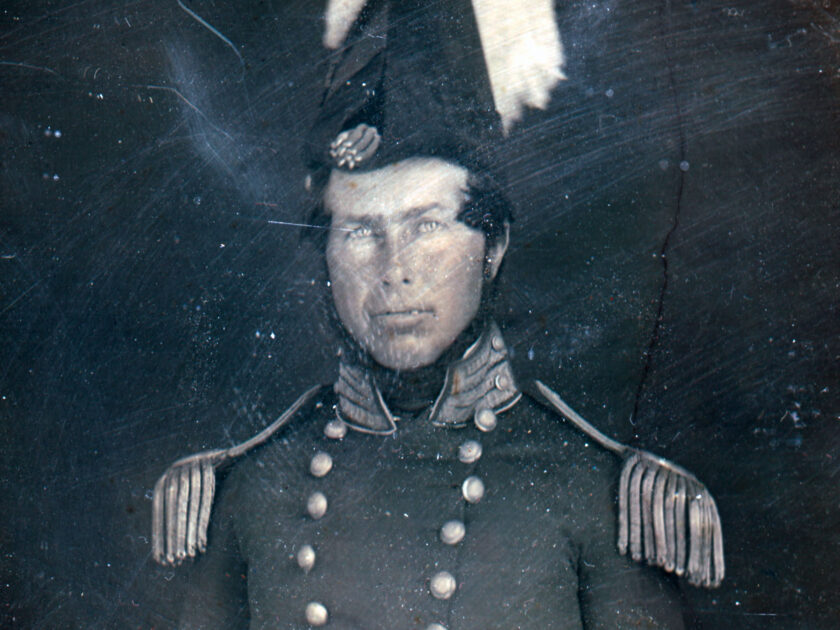
This officer holds a Model 1834 general officer’s sword, likely produced by the Ames Manufacturing Company, judging by its pommel and mounts. He wears narrow sleeves associated with Mexican War–era
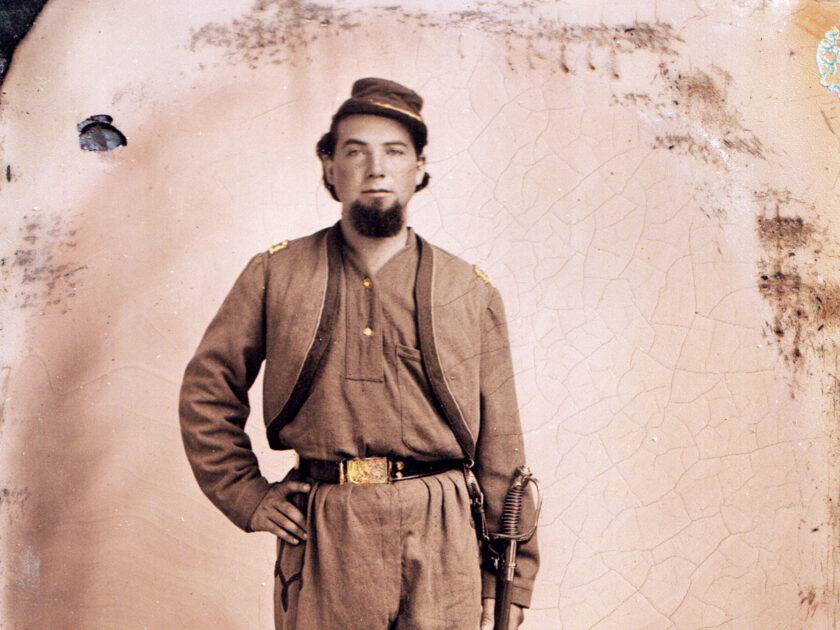
By Ron Field Organized at Indianapolis by Col. Lewis Wallace on April 21, 1861, the 11th Indiana included as its nucleus the Montgomery Guards and Independent Zouaves, two existing uniformed
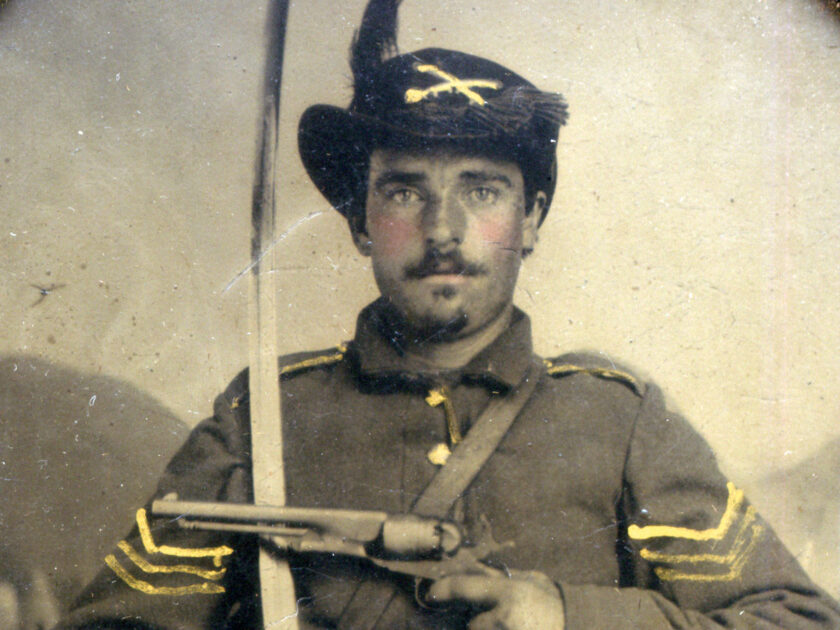
By Buck Zaidel At first glance, the painted backdrop in a studio portrait can seem little more than theatrical scenery—stylized tents, patriotic military elements, and simple landscapes. Yet, these primitive