
By Norman Delaney
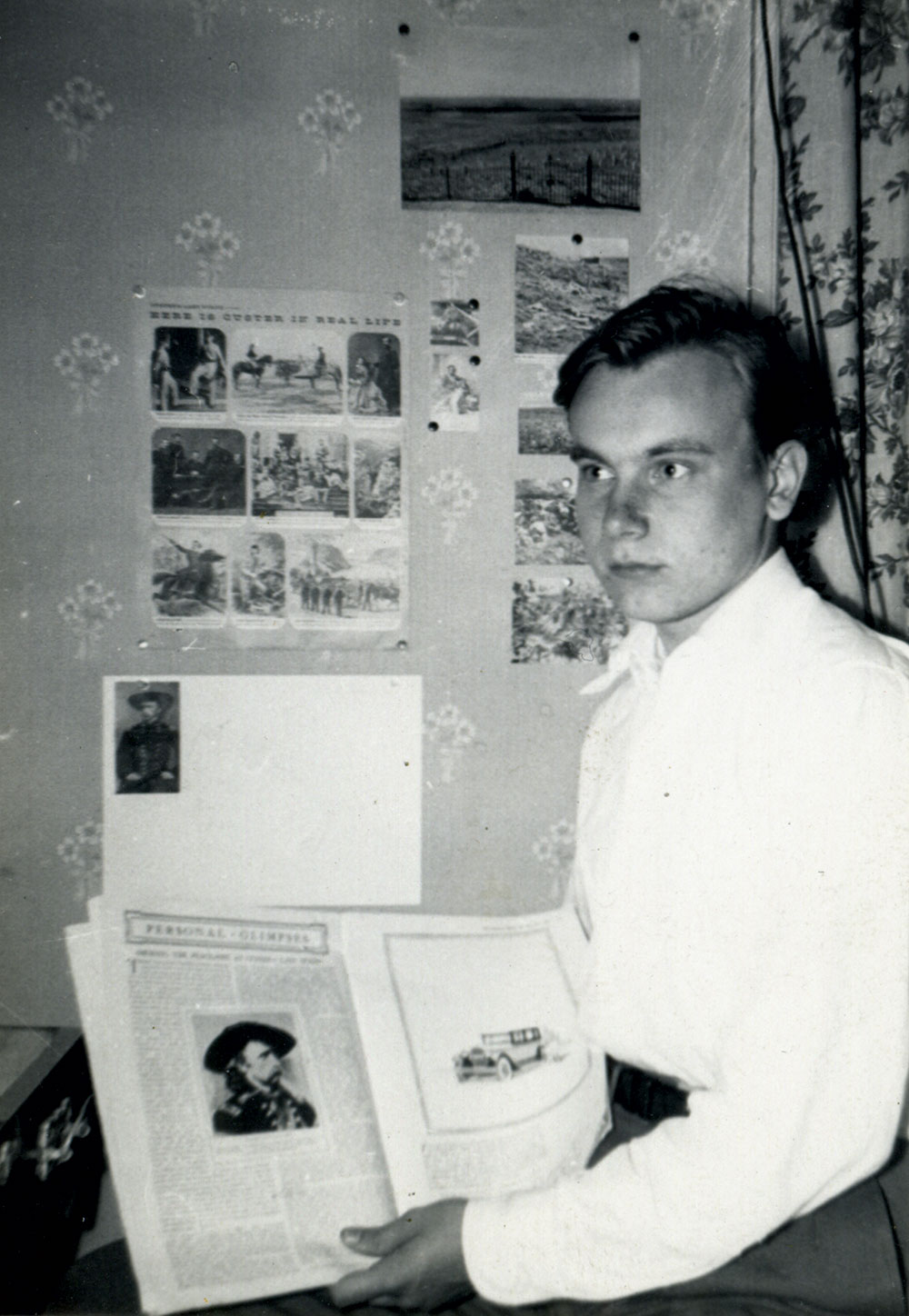
What was it like to be a collector of Civil War memorabilia prior to the centennial and the explosion of prices for artifacts? In my case, I was infected by the Civil War collecting bug while still a kid. In the sixth grade, I was told by another student that his Swedish-born grandfather had found the letters of a Civil War soldier with trash in an exclusive section of Boston. That bothered me then and still does. I eventually read the letters and learned about the soldier from Maine who was killed at Cold Harbor.
As for collectibles, at my age there were two issues: Where to find such stuff and how to pay for it. Dad had enough to deal with in keeping us clothed and fed and paying the rent. It was a rare day when we children had a nickel for a Skybar or Milky Way.
Then it happened. When I was in junior high school, my dad surprised me by producing an old musket that had been his grandfather’s. A lady he knew had been keeping it for him in her cellar. The gun was marked with an eagle and the manufacturer’s name—Norfolk (for Norfolk Arms Company in Connecticut) and the date, 1863. Its original owner, Pvt. Lowell Lyman Mason, had served in the two Massachusetts regiments, the 42nd Infantry and 4th Heavy Artillery. Other items once belonging to Mason soon followed: Two images, one a tintype, enlistment papers, a cut-down Austrian rifle he used for shooting rats, the certificate of service issued to all Massachusetts Civil War veterans, and the flag from his funeral.
This was my history and I was hooked.
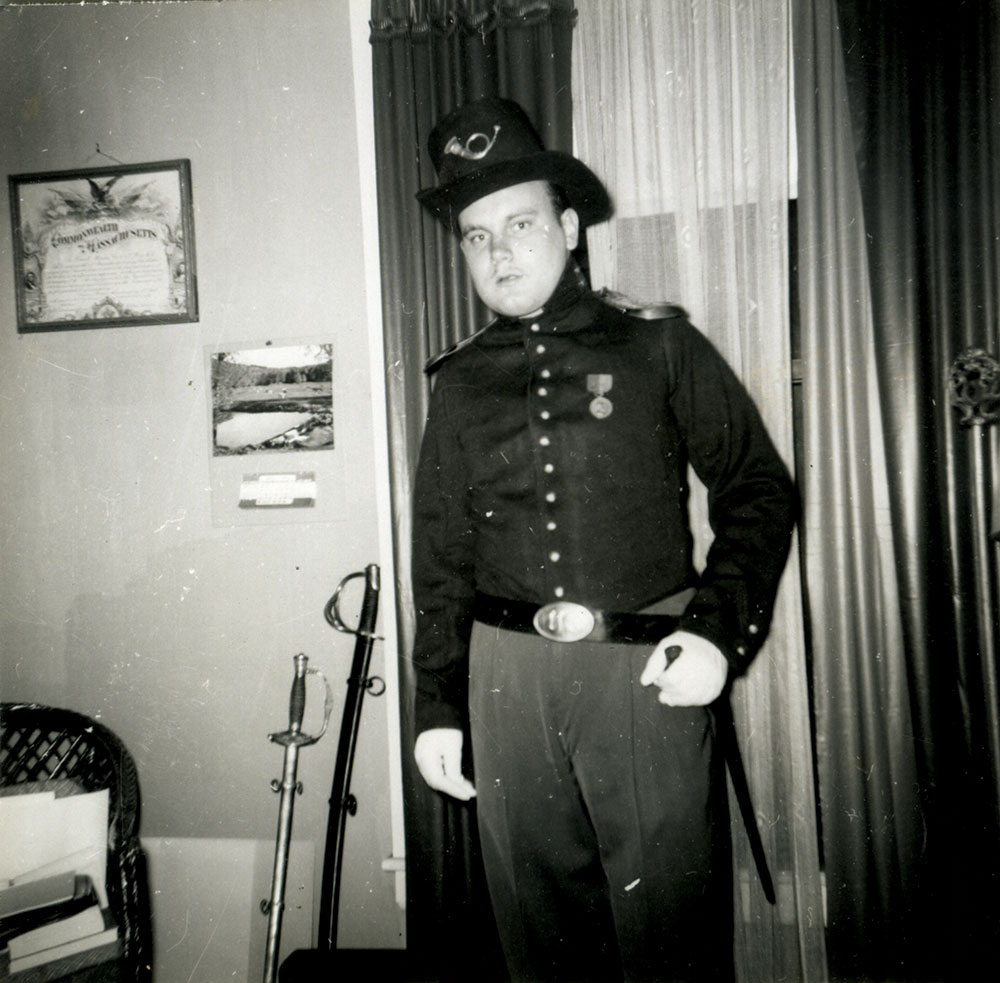
At the age of 16, I began working as an usher that paid 55 cents an hour. With the money I was making I decided the best place to start looking for artifacts was Marblehead. It was well known for its history and close enough by bus. At an antique shop, I found a cavalry sword manufactured by Sheble & Fisher of Philadelphia—the “wrist breaker” that the proprietor was selling for $5. Eureka! I got it! The proprietor also had an officer’s sword made by Bent and Bush that I later purchased for another $5. There is an identical one at the Peabody Essex Museum in Salem.
While walking around Marblehead I noticed a house that had Civil War artifacts in a display case outside. Inside, an elderly gentleman showed me other items he had. One especially desirable item was a Civil War revolver which he offered to sell me for $20, but I would have to bring him a note from my parents with their approval. But $20 was too much. I had only enough with me to purchase a leather cartridge case for a few dollars.
I was disappointed at not finding anyone my age who shared my interest in Civil War collecting. The Lynn chapter of the Sons of Union Veterans was comprised of elderly gentlemen who were veterans of the Spanish-American War. I was told by one member that I could apply for the medal my great-grandfather was entitled to. I also mailed off to South Carolina for a Confederate flag to display with my “museum.” By now my financial situation had improved considerably. I was earning 90 cents an hour washing dishes at a well-patronized cafeteria in Lynn.
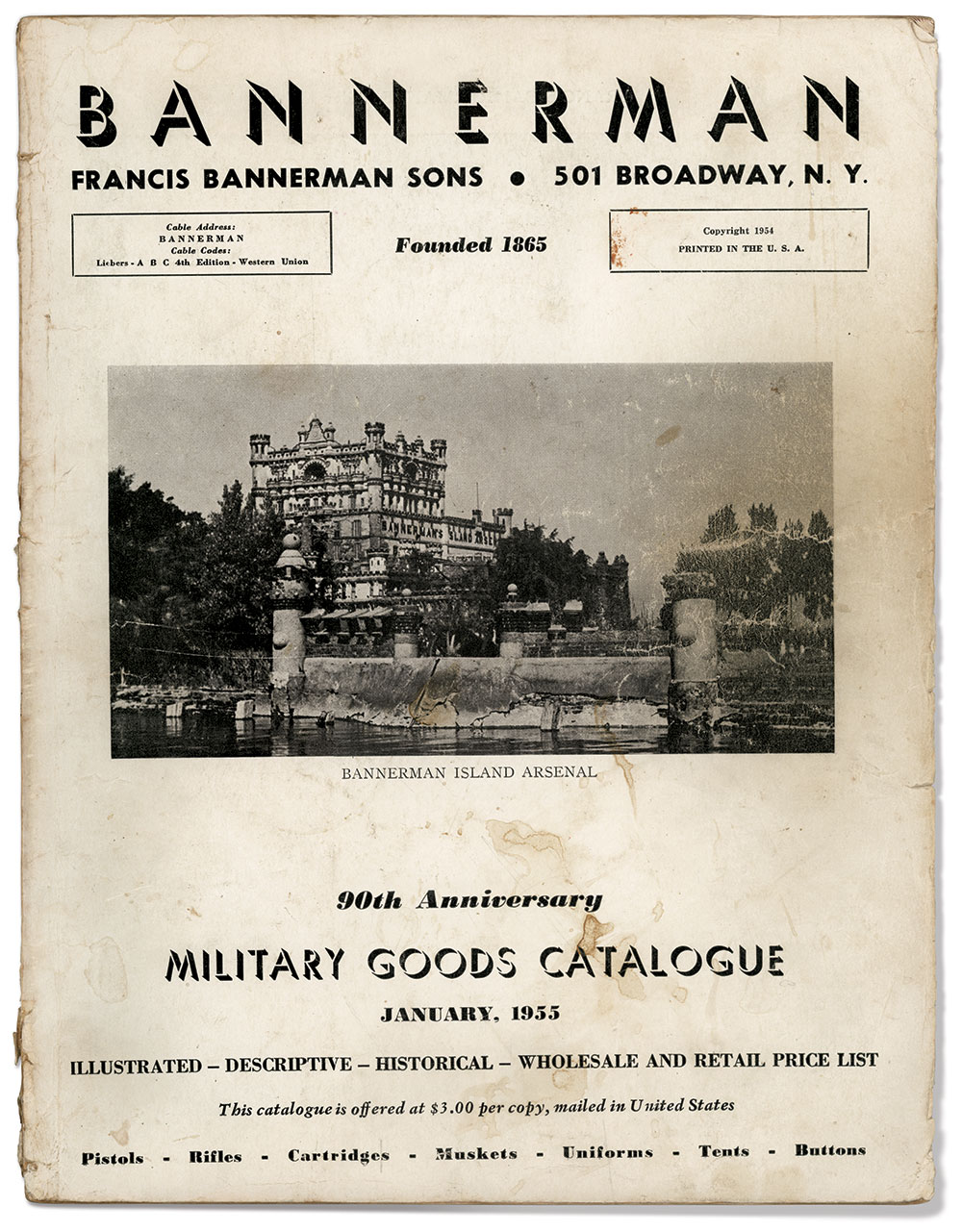
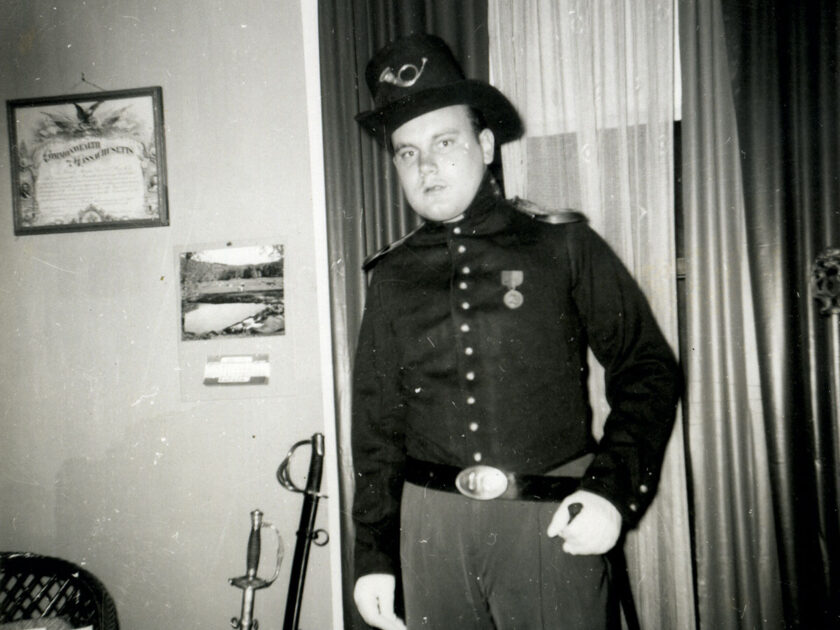
What I discovered next was mind-blowing: Bannerman—a collector’s dream come true! Francis “Frank” Bannerman VI (1851-1918) built an empire buying and selling surplus military goods, which were sold to collectors all over the world. Much of it was affordable to buyers like myself. Every serious collector of militaria would have been familiar with his establishment in New York. Perusing through Bannerman’s catalogs, I was wide-eyed at photos of medieval armor, halberds, Zulu lances, John Brown pikes, cannon, flags, all types of guns, pieces of the Kearsarge and Maine, and much more. Over the next several months I purchased:
- Civil War artillery jacket made of wool
- Shoulder scales
- Hardee hat
- Insignia for Hardee hat
- Infantry, cavalry, and artillery cords for Hardee hat
- Tarred canvas knapsack
- Canteen
- English-made lion buckle from sunken blockade runner
- U.S. Army pith helmet
- Spike for pith helmet
- CSA buckle made from original mold
- Confederate gun sling made of cotton
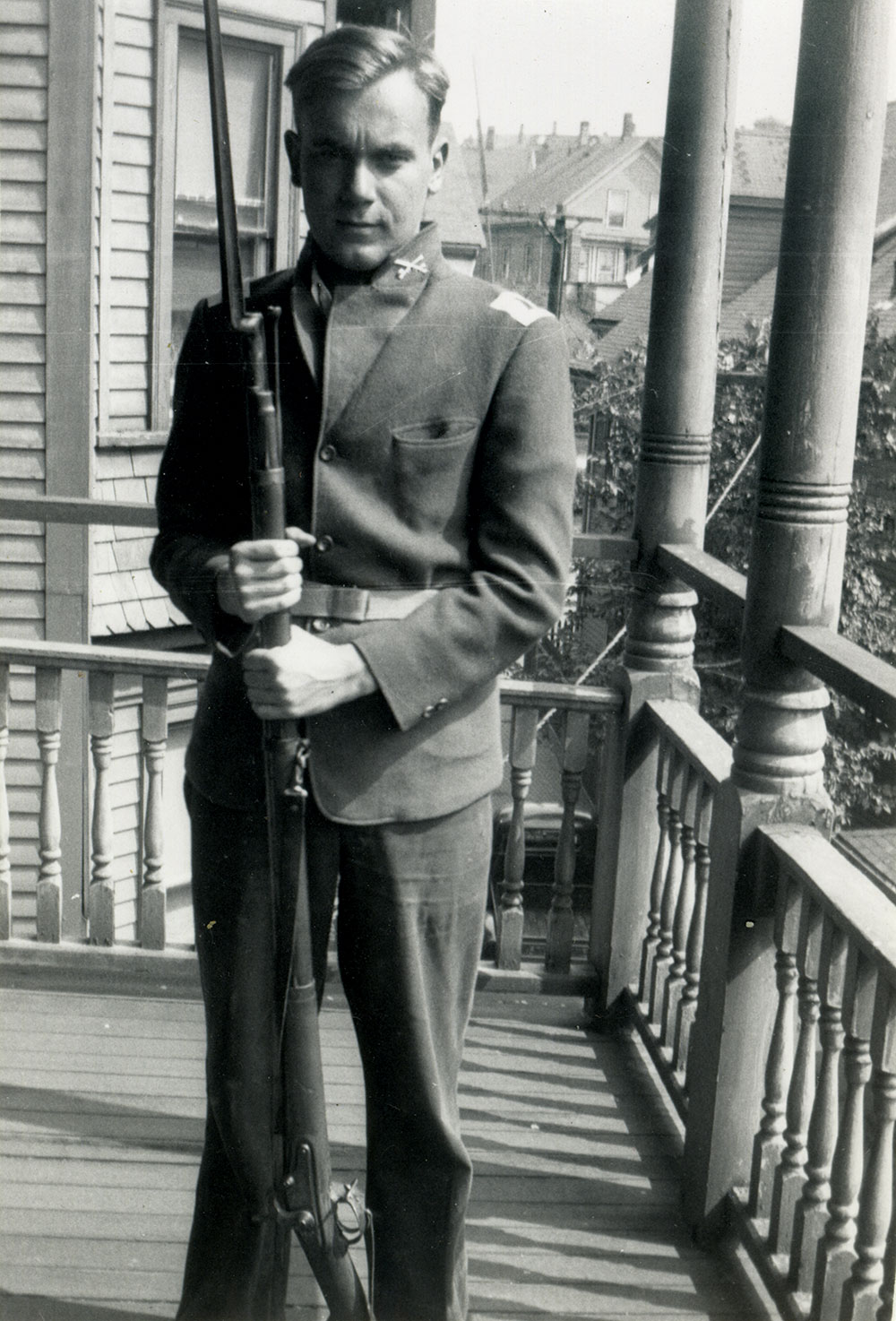
But with high school graduation, it was time to focus on college and afterwards post-graduate studies that would take years. Nevertheless, I continued to add to my collection, which now includes peace medals and artifacts from Little Big Horn. And it all began with Grandpa Mason’s rifled musket which remains one of my most treasured keepsakes.
Norman C. Delaney earned three college degrees, including a PhD at Duke University, and became a history professor. He has authored two books, The Maltby Brothers’ Civil War (Texas A&M University Press, 2013) and John McIntosh Kell of the Raider Alabama (University of Alabama Press, 2003). He has done extensive research on Confederate commerce raiders, notably the Alabama. He served as an associate editor and contributor to the Historical Times Illustrated Encyclopedia of the Civil War edited by Patricia L. Faust (Harper & Row, 1986) and was a contributor to Volume IV, Fighting for Time, of The Image of War: 1861-1865 series by William C. Davis (Doubleday and Company, 1983). Dr. Delaney has also written many articles for historical publications, including Military Images.
SPREAD THE WORD: We encourage you to share this story on social media and elsewhere to educate and raise awareness. If you wish to use any image on this page for another purpose, please request permission.
LEARN MORE about Military Images, America’s only magazine dedicated to showcasing, interpreting and preserving Civil War portrait photography.
VISIT OUR STORE to subscribe, renew a subscription, and more.