
By Scott Valentine
The officers and men of the 8th Vermont Infantry wondered if they’d ever face an armed enemy. For months after their 1862 assignment to Maj. Gen. Ben Butler’s army of occupation in New Orleans, they served on provost duty, running telegraph wire and repairing the New Orleans, Opelousas and Great Western Railroad (NOO&GW) line across the Mississippi in Algiers.
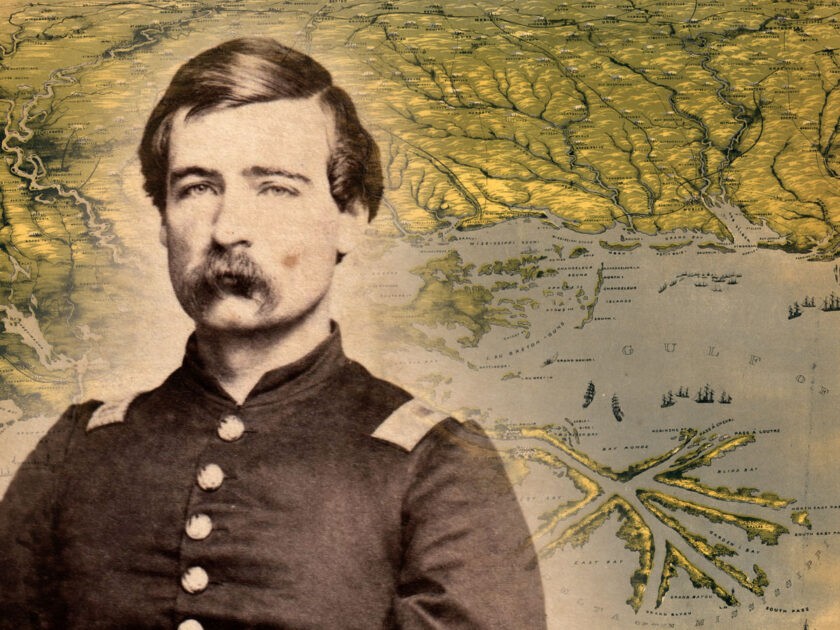
First blood came soon enough. On June 22, a 30-man detachment commanded by two officers of Company H, 1st Lt. Alvin Bruce Franklin and 2nd Lt. William H.H. Holton, received orders to investigate a report of rebels tearing up railroad tracks.
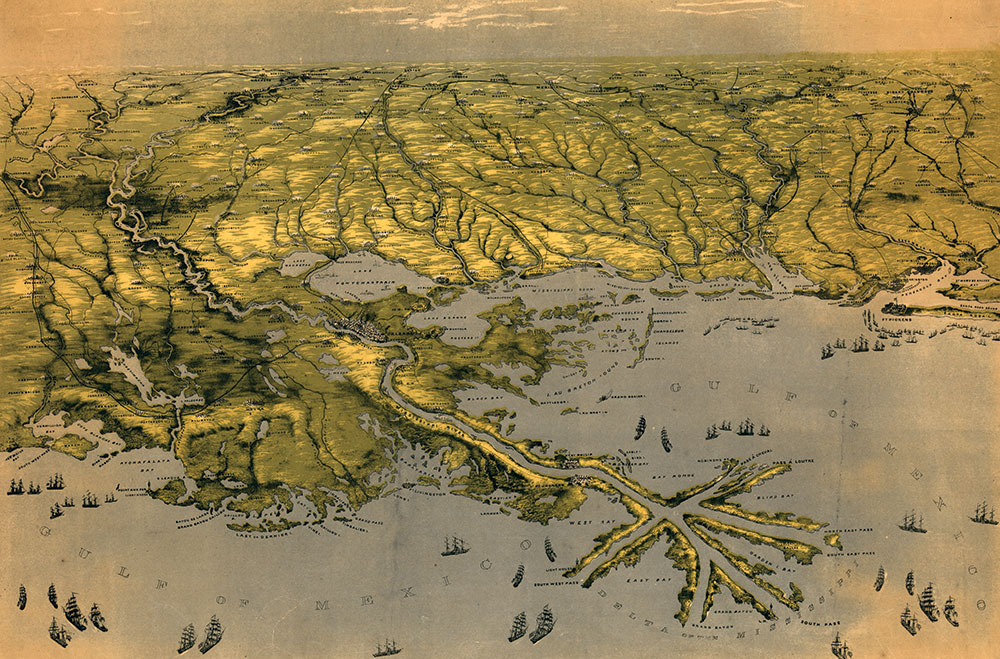
The detachment filed into a passenger car pushed by a locomotive up the railroad. As the car approached Raceland Station, seven miles out from Bayou des Allemands, a mounted man rode across the track. Franklin halted the train and dispatched an advance squad of a sergeant and six men, following with the train.
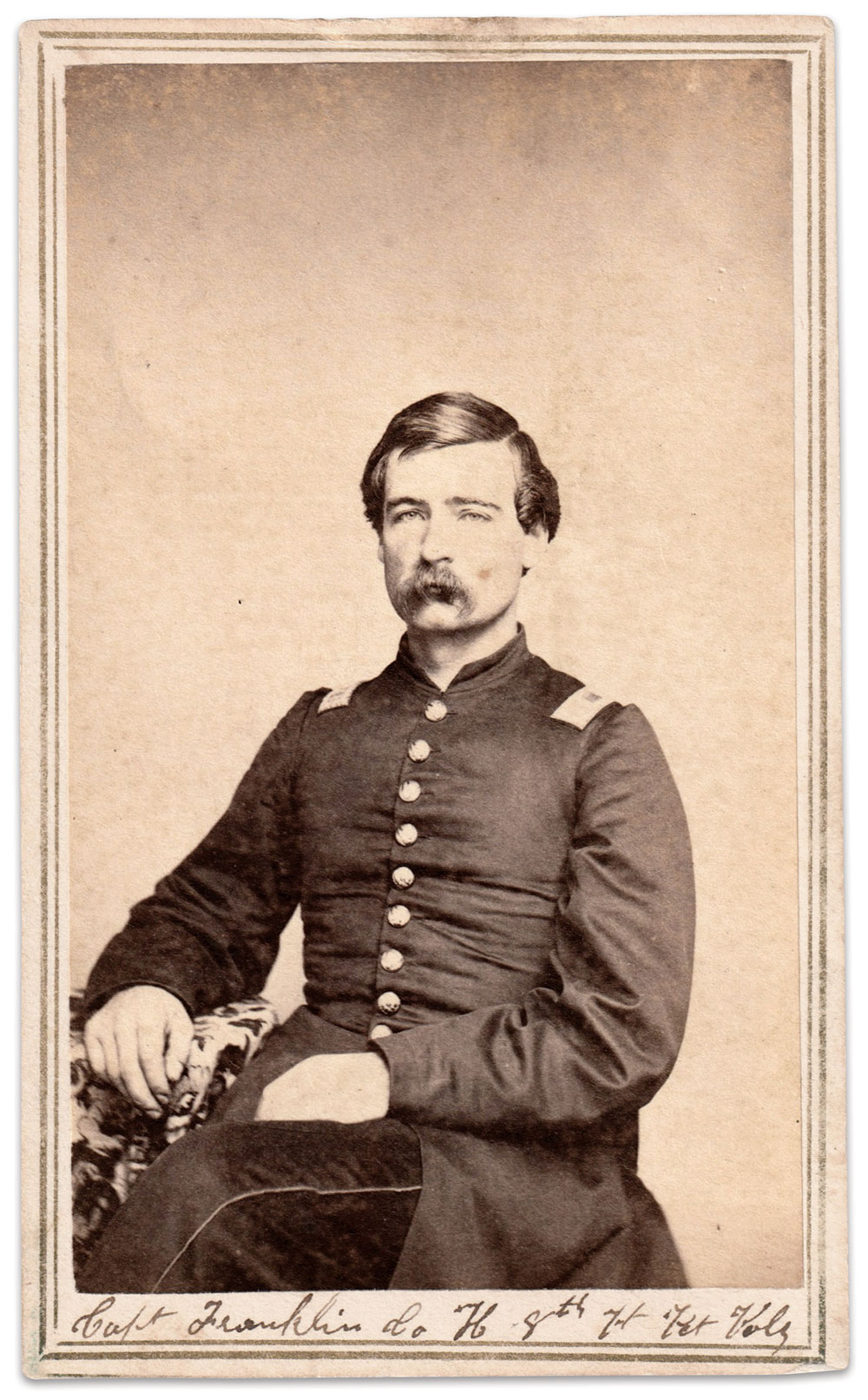
As they cautiously advanced, Louisiana militia concealed in wild cane alongside the tracks ambushed them. A hail of buckshot hit the car. First Lt. Franklin, standing on the car platform with a private by his side, received five buckshot wounds in his breast, side and arms. The private was killed instantly. Franklin had the presence of mind to order his men in the car to kneel and fire from the windows. Bleeding profusely, Franklin jumped from the car, and ran to the engine. He found the fireman lying dead upon the tender and the engineer crouching in the cab. Franklin ordered the engineer to put on steam. Second Lt. Holton and the unwounded men of the advance squad lost no time in boarding the car. The engineer reversed the engine and raced toward Bayou des Allemands. It ran through a party of militia attempting to tear up the track, but the train sped by before they had time to displace the rails.
Four men and the fireman were killed; their bodies left behind for the enemy to bury. Nine suffered wounds, including Franklin and Holton. Franklin carried some of the buckshot in his body throughout the war.
Franklin shed more blood during the October 1864 Battle of Cedar Creek. Now a captain, Franklin and his Vermonters found themselves fighting for survival. The regimental historian described the combat: “It was a horrid, desperate, hand-to-hand encounter for possession of the flags…the brigade flag was in imminent danger of being captured by the enemy, when Capt. Franklin, with half a dozen of his company, furiously attacked the rebels who were struggling for it, and rescued it from their clutch.” Franklin, wounded in the action, “gallantly remained with the regiment throughout the afternoon.”
Franklin survived the war, ultimately serving as the regiment’s lieutenant colonel. He lived until age 83, dying in 1921.
Scott Valentine is a MI Contributing Editor.
SPREAD THE WORD: We encourage you to share this story on social media and elsewhere to educate and raise awareness. If you wish to use any image on this page for another purpose, please request permission.
LEARN MORE about Military Images, America’s only magazine dedicated to showcasing, interpreting and preserving Civil War portrait photography.
VISIT OUR STORE to subscribe, renew a subscription, and more.