
By Kyle A. Williams and Paul D. Thompson, featuring images from the authors’ collections
A relatively small number of Union regiments claimed significant combat experience in the Eastern and Western Theaters of the Civil War.
One of them is the 156th New York Infantry, whose officers and men spent their three-year enlistment trekking through bayous in Louisiana and toiling across the fertile Shenandoah Valley in Virginia. Along the Mississippi River, they suffered exposure in the long siege of Port Hudson in 1863. A year later, and 1,100 miles away along Opequon Creek, they met the enemy at the Third Battle of Winchester.
The regiment’s story begins in the summer of 1862. As President Abraham Lincoln’s urgent call for volunteers echoed across the nation, the 156th New York Infantry formed at Camp Samson in Kingston, N.Y.
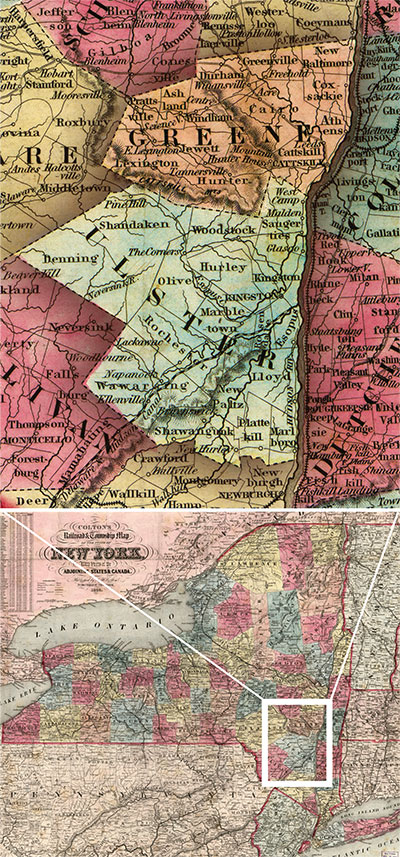
Attracted by patriotism and bounties, the ranks included farmers, merchants, students, and blacksmiths from Kingston, New Paltz, and other towns throughout the Hudson Valley’s Shawangunk and Catskill Mountain ranges of Ulster and Greene Counties. Their senior commanders included Col. Erastus Cooke, a tall lawyer of booming presence, and Lt. Col. Jacob Sharpe, a disciplined West Point-trained officer.
As recruiting efforts stalled, the 156th fell short of full strength. To make up the difference, three Staten Island companies from the 175th New York Infantry merged to complete the regiment proudly nicknamed the “Mountain Legion.” With Enfield rifles in hand and banners unfurled, more than a thousand men mustered into federal service on Nov. 17, 1862—strong, determined, and prepared to face the trials of war.
In the West
Ordered to Louisiana, their first experience nearly ended in tragedy. While en route aboard the steamer Menemon Sanford, the vessel ran aground on a coral reef off the coast of Florida. However, Providence intervened, and by Christmas 1862 the 156th exchanged Hudson Valley snow for bayou heat.
Following the lead of regiments on both sides, the Empire State men battled disease before the enemy.
Combat came soon enough. During the Bayou Teche Campaign in April 1863, the 156th received their baptism of fire at Fort Bisland. When the 38th Massachusetts faltered under heavy resistance, Ulster’s sons surged through smoke and sugar cane fields to reclaim the battlefield. The men were “fighting like perfect devils,” marveled Col. Oliver P. Gooding, the regiment’s brigade commander. Their bravery helped win the day for Union forces and accorded the 156th a rare honor: Headquarters guard for Maj. Gen. Nathaniel P. Banks, commander of the Department of the Gulf.
On the heels of this victory came the Siege of Port Hudson, a Confederate bastion overlooking the Mississippi River. Under a blistering sun between May and July 1863, the 156th lay pinned under grape and canister fire; men dropping from heatstroke and bullets. Dozens of soldiers fell, yet the regiment endured the longest siege in American history—48 days—until the fortress surrendered after the capitulation of Vicksburg, which rendered its position untenable. With the occupation of Port Hudson, the Union gained control of the Mississippi River.
After a year of garrison duty and the disastrous Red River Campaign, the Mountain Legion was summoned north when rebel forces threatened Washington, D.C. Marching proudly down Pennsylvania Avenue, bronzed by the southern sun, they passed the White House as President Lincoln waved a heartfelt welcome. The band hailed the Commander-in-Chief by striking up the regiment’s signature battle cry, “Listen to the Mockingbird.”
In the East
Under Lt. Col. Alfred Neafie, the 156th joined Maj. Gen. Philip Sheridan’s Army of the Shenandoah. At Winchester, Fisher’s Hill, and Cedar Creek, they fought with “lion’s courage.” At the Battle of Third Winchester in September 1864, the 156th advanced under heavy fire and, despite severe losses and the wounding of Col. Sharpe, drove the Confederates from the field in one of the regiment’s hardest-fought victories. At Cedar Creek, fog, confusion, and brutal hand-to-hand combat ensued. Sergeant Philip Decker fought off rebels to save the torn regimental colors while Lt. Col. Alfred Neafie thundered, “‘Oh! Men! For God’s sake! For honor’s sake! For your country’s sake! Don’t flinch now!” When the smoke lifted, fewer than a hundred men remained from the original thousand who had departed Camp Samson two years earlier.
“We are fighting the greatest battle for human freedom and the rights of man that the world ever withheld. The fury of the storm has passed, and the bright sun of peace will soon shine on our free and happy country.”
—Lieutenant Col. Alfred Neafie
In 1865, the Mountain Legion garrisoned Savannah and received word that Gen. Robert E. Lee had surrendered—and that President Lincoln was assassinated. The war that had forged them was now over. Returning home to the Hudson Valley that had sent them forth, they laid down their muskets, scarred but unbroken. Lieutenant Col. Neafie captured the spirit of their service:
“We are fighting the greatest battle for human freedom and the rights of man that the world ever withheld. The fury of the storm has passed, and the bright sun of peace will soon shine on our free and happy country.”
The legacy of the Mountain Legion endures from the Shawangunk and Catskill Mountain ranges of New York to the mighty Mississippi and Shenandoah Valley. Portraits of representative officers and men humanize the regiment’s service.
Kyle A. Williams of Pine Bush, N.Y. is the Town of Shawangunk Historian in Ulster County, N.Y., and a Freemason of Wallkill Lodge No. 627 F. & A.M. A dedicated collector of historic images, and Civil War reenactor, Williams has traced his ancestral roots to several soldiers of the 156th New York Infantry, including his third great-grandfather, Private Eli T. Mackey of Company A.
Paul D. Thompson of Somers, Conn., is a historian, lecturer, writer, and collector of historic artifacts with a lifelong passion for preserving the past. His third great-grandfather, Pvt. Isaac S. Taylor of the 6th Connecticut Infantry, was wounded at Fort Wagner and honored by his comrades as “bravest of the brave,” earning the distinguished Gilmore Medal for his gallantry.
Senior Commanders
Raising a Regiment
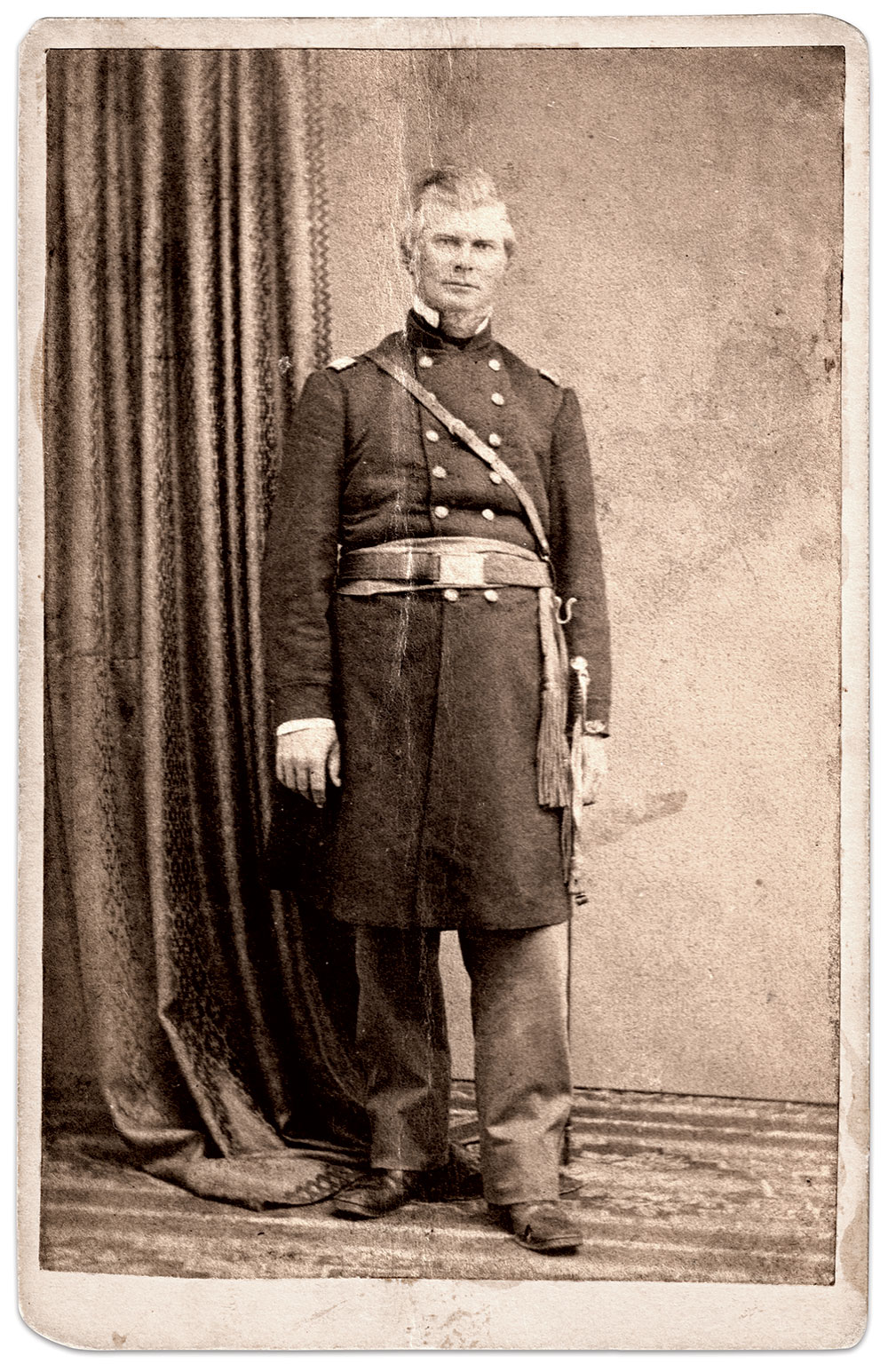
Erastus Cooke (1818-1885) of Kingston was a respected lawyer and civic leader whose deep sense of duty led him from the courtroom to the battlefield. Towering in stature and admired for his patriotism, Cooke forged a regiment from the quarries and valleys of Ulster and Greene Counties and led them south to war. His early command was marked by dedication but also the heavy burden of leadership; an injury aboard the steamer Menemon Sanford in December 1862 forced his resignation. Despite his brief tenure, Cooke’s efforts laid the foundation for one of New York’s most battle-tested regiments. The war’s toll became deeply personal when his son, Capt. Howard Cooke of Company B, died of typhoid in Louisiana.

True as Steel
Lieutenant Col. Jacob Sharpe (1834-1892) of Kingston rose from humble beginnings to become one of Ulster County’s most esteemed leaders. A former West Point cadet with previous service in the state’s 20th Militia and 56th Infantry, he forged a reputation as “a soldier true as steel” leading the regiment from the swamps of Louisiana to the fields of Third Winchester, where he suffered a wound through the body and received a brigadier general’s brevet for gallantry. Sharpe went on to marry Julia St. George Cooke; her brother, John, served as a Confederate general, sister Flora married J.E.B. Stuart, and father, Brig. Gen. Philip St. George Cooke, remained Union loyal and earned the distinction as the “Father of the U.S. Cavalry.” Sharpe went on to serve in the Custom House in New York and governor of the Milwaukee Soldiers Home, his later life was hampered by the physical effects of his war wound.
Fallen Flag
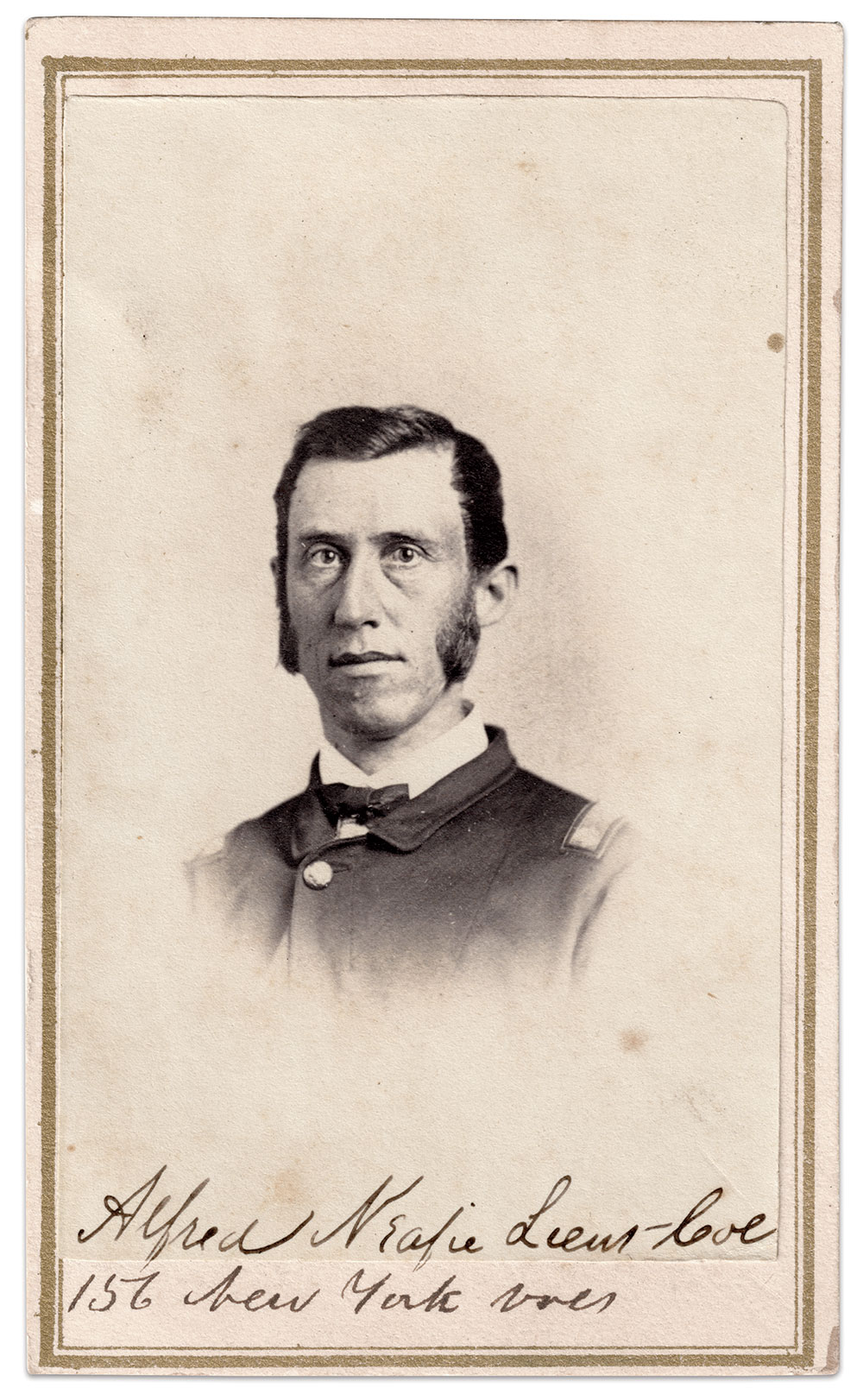
At the Battle of Cedar Creek, as Confederate attackers overwhelmed the Union line, Lt. Col. Alfred Neafie (1832-1917) refused to yield. He rallied his men again and again amidst the chaos and confusion of combat. When the regiment’s torn and tattered flag fell, Neafie strapped it to his saddle and carried it from the field. Neafie began his service as captain of Company D and ended the war with brevets of colonel and brigadier general for gallantry. As chief of staff to Brig. Gen. Cuvier Grover during the last months of hostilities, he witnessed the raising of the Stars and Stripes over Fort Sumter in 1865, and played a minor role in the aftermath of the capture of President Jefferson Davis.
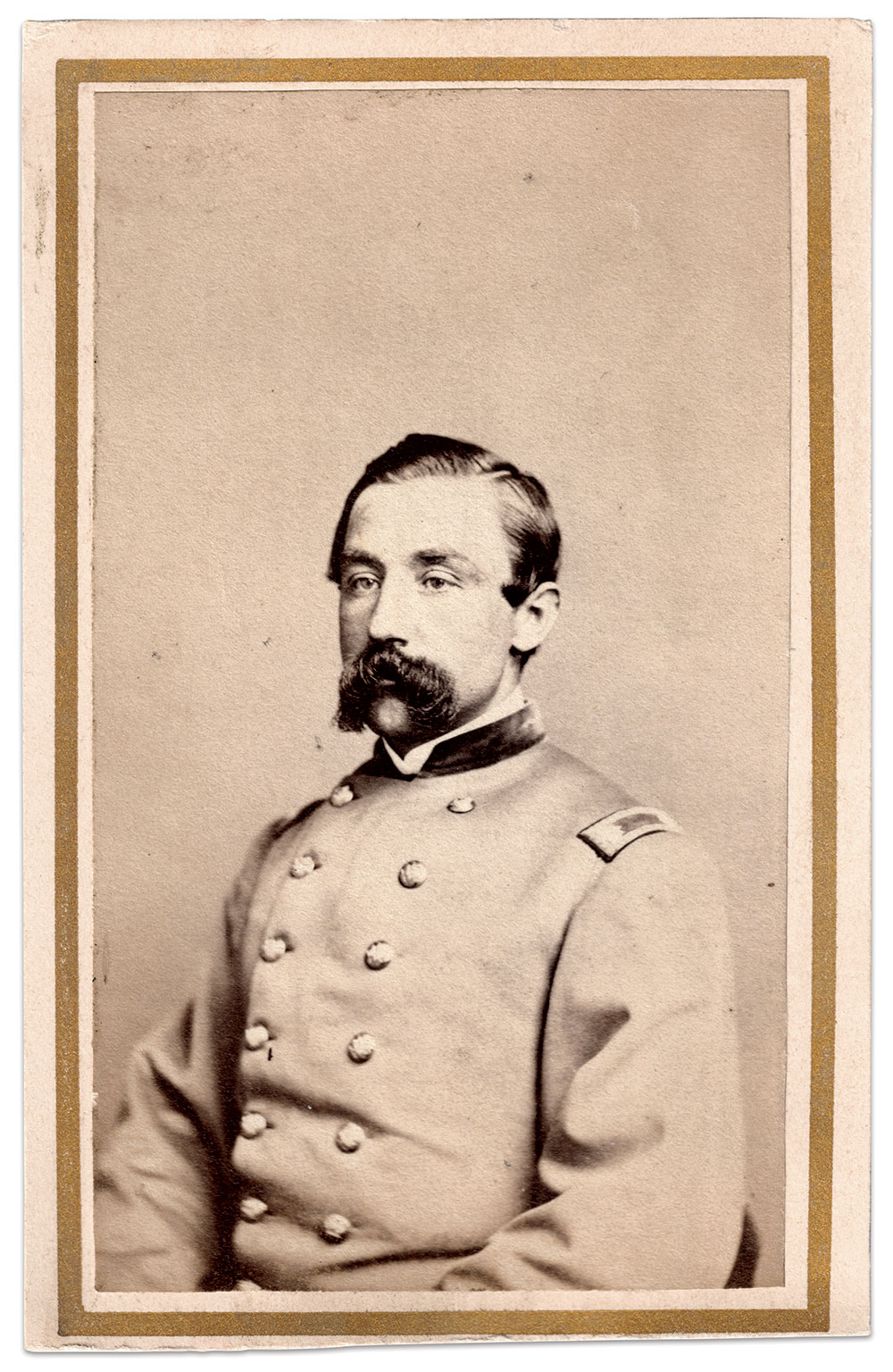
Bound by Duty
At the outbreak of the war, German immigrant Louis Schaffner (1827-1914) helped raise the Steuben Guard, which became the 7th New York Infantry, and served in the state’s 82nd and 175th infantries before joining the 156th as major in November 1862. Though illness prompted his resignation after two months, he returned to duty with the Veteran Reserve Corps and later lieutenant colonel of the 153rd Illinois. After the war, he built a prosperous life in Chicago as a civic leader, cigar merchant, and brigadier general of the Illinois National Guard.
Company Officers

Unfulfilled Promise
Born into one of Ulster County’s most distinguished families, Howard Cooke (1844-1864) was a highly educated and devoted young man who exchanged the promise of a law career for the call of war. Enlisting first with the 20th New York State Militia and later joining his father’s regiment, the 156th, he rose to adjutant and captain before his twentieth birthday. After campaigning in Louisiana, Cooke returned home on furlough a seasoned soldier—only to fall ill soon after his return to duty. Stricken with typhoid in New Orleans, he died at age 19.

Saving the Flag
During the Battle of Cedar Creek, Capt. Alfred Cooley (1839-1899) of Company E displayed remarkable courage amid the chaos of the surprise attack. As enemy troops converged on the regiment’s position, the color guard suffered a gunshot wound to the arm, dropped the flag, and fell on top of them. Cooley managed to extricate the colors and save them from capture. He bore them safely from the field. After the war, Cooley returned home and accepted an appointment as lieutenant colonel of 16th Battalion, New York National Guard, and, after its disbandment, worked as a jeweler, and later a real estate developer. He also served as an alderman in Mount Vernon, N.Y.

Gallant Soldier
An employee of New York City’s famed clothier, Brooks Brothers, Matthias S. Euen (1833–1898) rose from captain of Company E to major, earning a lieutenant colonel’s brevet for gallantry at Port Hudson, where he was wounded and suffered from heatstroke during the June 14, 1863, attack. After recovering at New Orleans, he commanded the 2nd Battalion on Hart’s Island, N.Y., and led veterans in President Lincoln’s funeral procession through New York City. Euen then rejoined the 156th in Athens, Ga., where he assumed command of the regiment. After he mustered out, Euen returned home to New York a respected officer, freemason, and gentleman—spending his remaining years at his beloved farm in Wallkill, Ulster County, where comrades remembered him as “a genial friend, a good citizen, and a gallant soldier.”
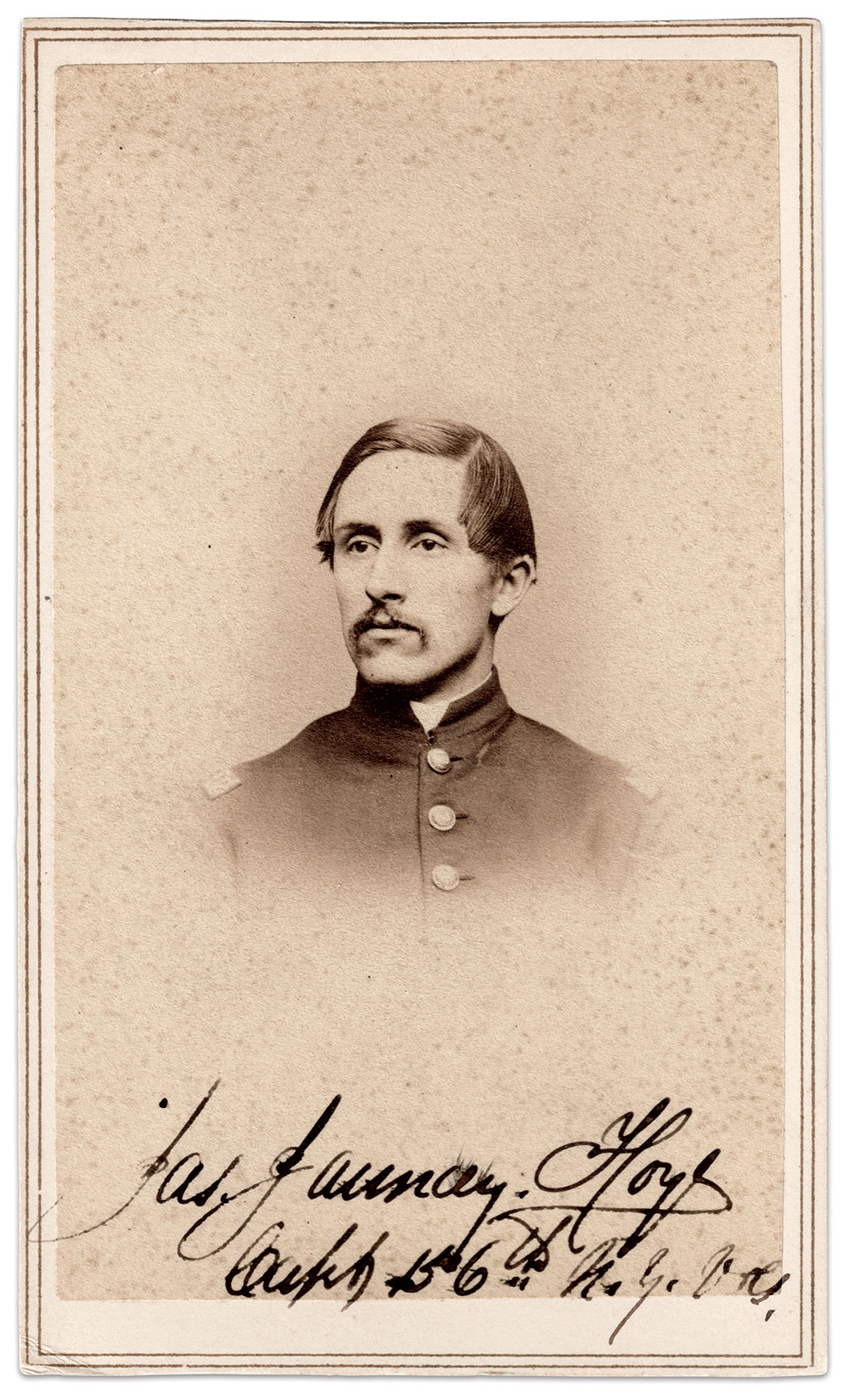
Fortifying Rifle Pits
During the Battle of Fisher’s Hill, Capt. James Jauncey Hoyt (1840-1924) led five companies of the 156th under a hail of shot and shell, seizing and fortifying a ridge directly beneath the enemy’s guns. Working with picks and shovels under fire, his men transformed the captured rifle pits into a continuous trench line as Maj. Gen. Philip Sheridan himself crawled to the front amid exploding shells. When the order to advance came, Hoyt’s detachment rejoined the line and charged up the steep slopes, driving the Confederates from their works and helping secure one of Sheridan’s swiftest victories. Twice brevetted for gallantry, Hoyt moved west after mustering out, eventually settling in Kenosha, Wis., where he founded several successful businesses. His legacy includes a regimental battle flag that he presented to West Point after the war.

Enduring Honor
Twenty-year-old New Paltz resident Peter Eltinge (1841-1877) recruited 37 men for Company A of the 156th, earning a second lieutenant’s commission and soon rising to captain. He endured fever in the Louisiana swamps, survived the fighting at Fort Bisland, Port Hudson, and Cedar Creek, and by the war’s end was brevetted lieutenant colonel for gallant service. Returning home with his servant, Fulton Cox, he determined to give the former slave freedom and a prosperous future. In 1866, Eltinge moved to Memphis, Tenn. to run a grocery store, but returned to New Paltz after the death of his business partner, who was also his brother-in-law. Eltinge succumbed to consumption contracted during the war at age 35. His obituary noted, “no better-hearted man…ever ‘wore the blue.’” The local Grand Army of the Republic post was named in his honor.
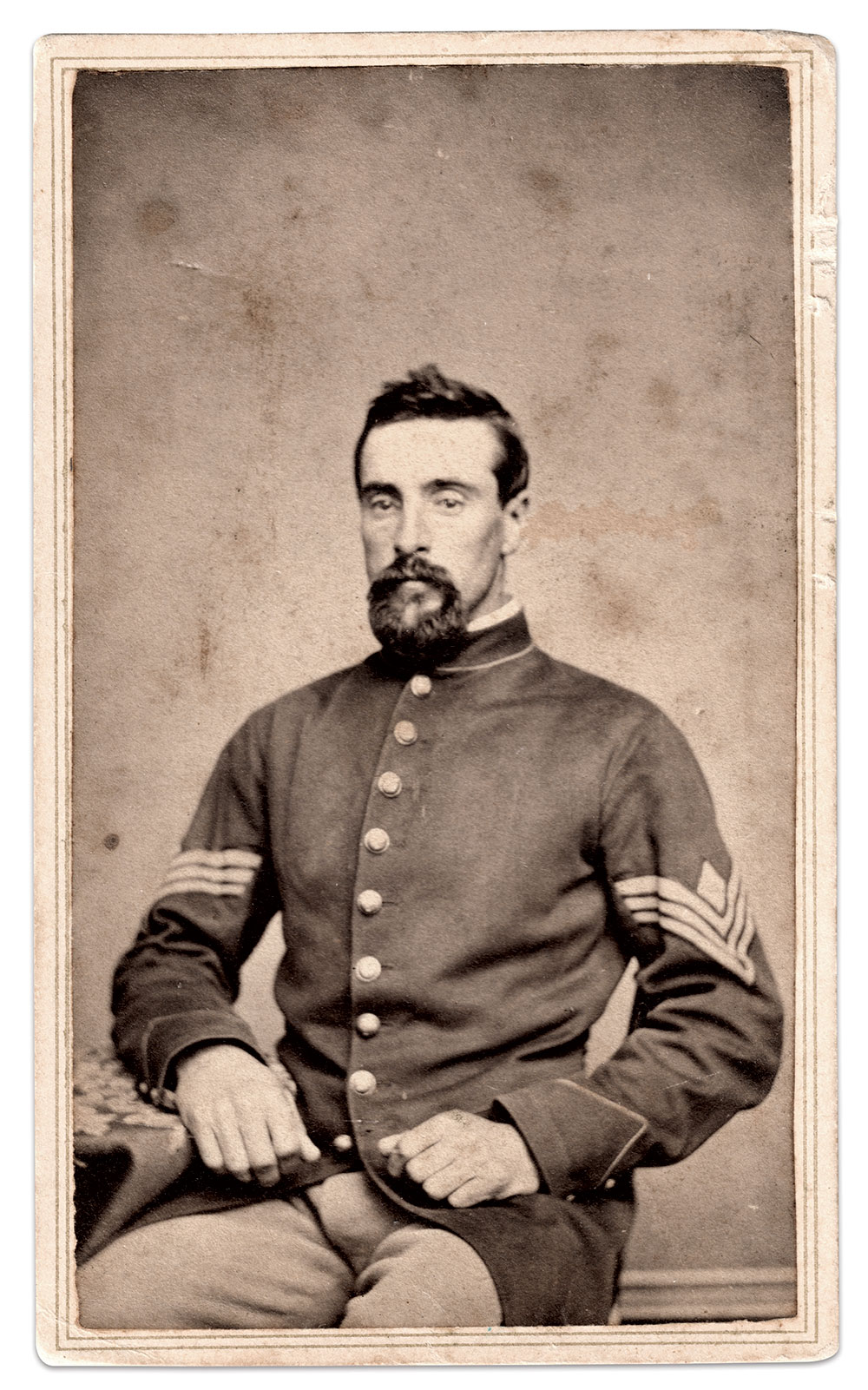
Narrow Escape
John H. Palmer (1838-1902), a farmer from Plattekill, joined the New Paltz Volunteers, which became Company A. He proved his mettle as a soldier, rising from sergeant to captain. At Cedar Creek in October 1864, when a predawn Confederate assault shattered Union lines, Capt. Palmer narrowly escaped capture, finding refuge in a rocky ravine before rallying with Sheridan’s men in the stunning counterattack that turned defeat into triumph. Months later in Georgia, Palmer commanded river patrols guarding federal transports along the Savannah River. After the war, Palmer settled on the Iowa frontier, becoming a prosperous farmer and respected community leader.

Fire and Duty
During the surprise dawn attack against Union forces at Cedar Creek in October 1864, Capt. Isaac L. Signer (1837–1889), serving as brigade quartermaster, was struck by a Confederate bullet that shattered his index finger and felled his horse beneath him. Undaunted, Signer made his way to a hospital steward who dressed the wound. Known for his strength and reliability, Signer started his service as a second lieutenant in Company F and had been entrusted with the difficult duty of apprehending deserters before the regiment embarked for Louisiana.
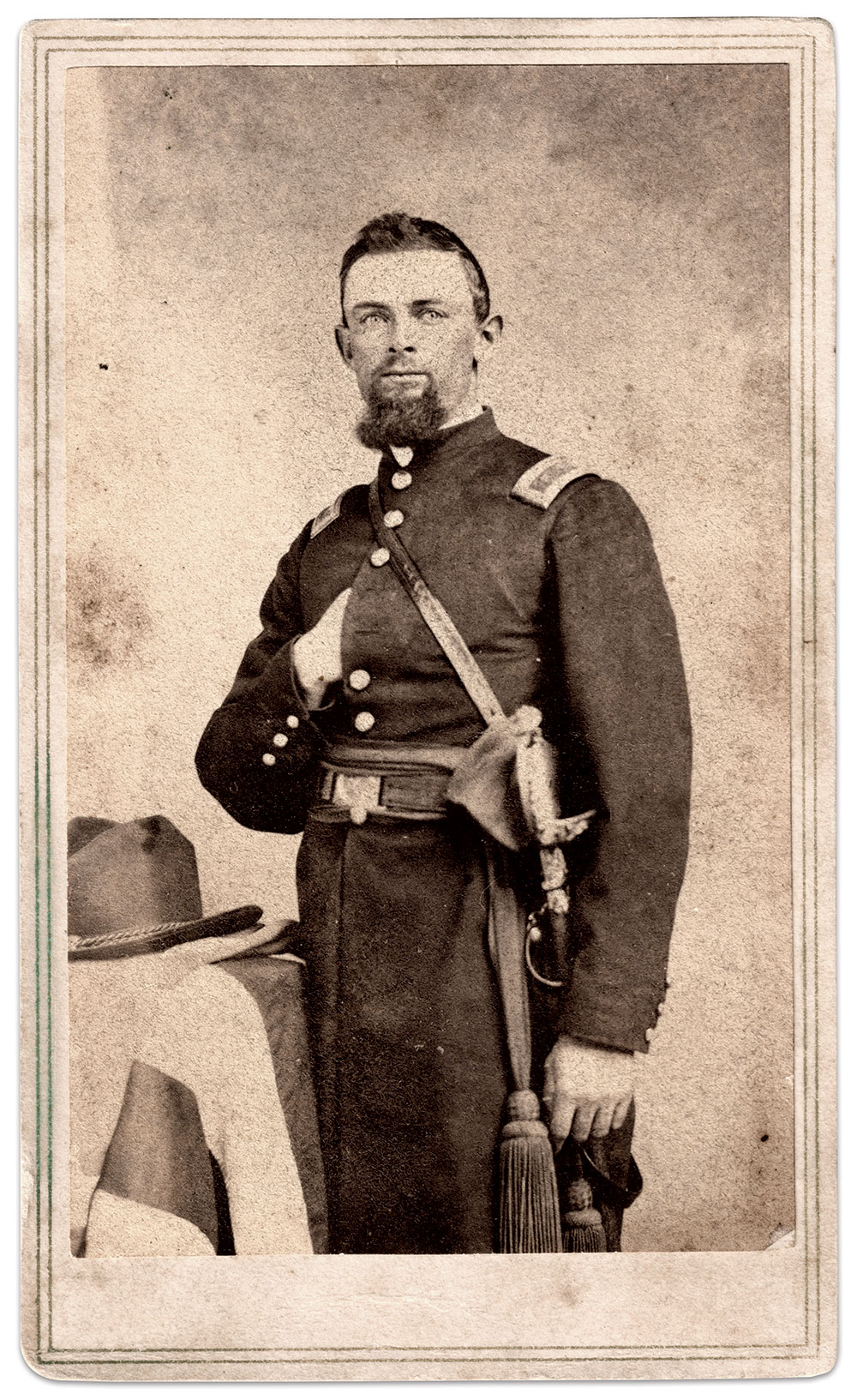
Bridle to Battlefield
A successful merchant and lover of fine horses, Alexander Elting (1831-1874) of Wawarsing started his service as the original second lieutenant of Company C. Within months, he advanced to first lieutenant and served in this capacity during the June 14, 1863, assault on Port Hudson, where he suffered a wound after shrapnel tore through his hand. Though he survived his injury, illness forced his resignation in July 1864. Returning to New York and settling in Ellenville, he died at the relatively young age of 42.
Medical Staff

Surgeon in Lousiana
An 1850 graduate of the College of Physicians and Surgeons in New York City, 43-year-old English-born Dr. Edward Rotton Percy (1818-1875) paused his medical practice to join the military. He received a commission as the 156th’s original surgeon and went on to serve with distinction at Fort Bisland and Port Hudson before receiving a discharge in January 1864. Percy headed west after leaving the regiment, investing in a vineyard. Following his death from a stroke at age 56, his remains were interred in an unmarked grave in Brooklyn’s Evergreen Cemetery. In recent years, a marker was installed to honor his service.

Valley Surgeon
In the Shenandoah Valley at the battle of Third Winchester, Surgeon George Childs Smith (1833-1893), personally attended to the grievous wound of 1st Sgt. Daniel Burhans Deyo of Company C after a musket ball passed through his body, causing injury to his colon. Smith dressed the wound and sent the sergeant off to Fredrick Hospital, where he beat the odds, recovered, and lived until 1910. Smith continued to care for the 156th’s sick and wounded until the regiment mustered out of service in 1865. He later became a reputable physician in Kingston and played a key role in establishing a free hospital for Ulster County residents.
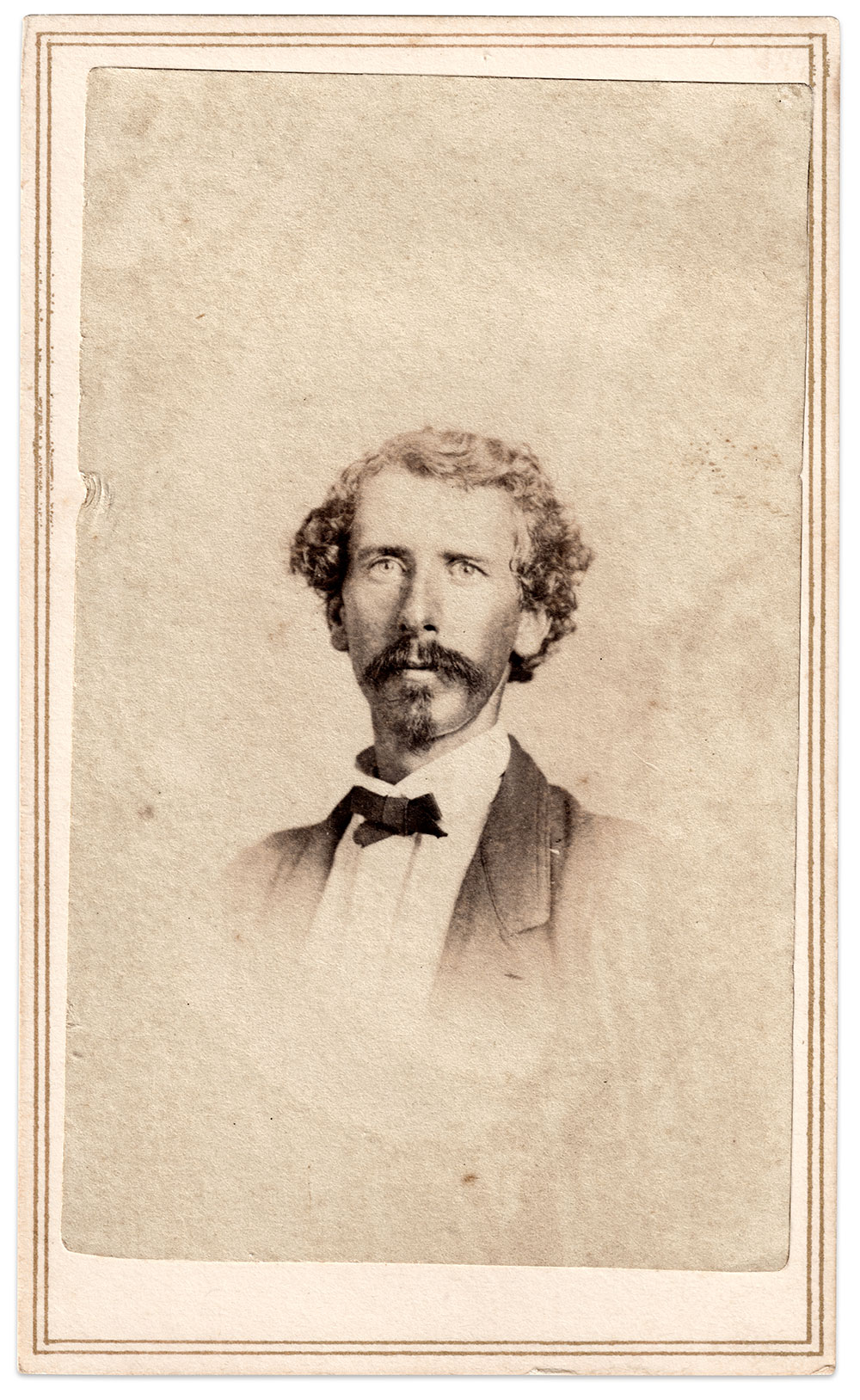
Battle Pharmacist
Orlando H. Van Deusen (1835-1881), the youngest of 14 children born to a physician and his wife, followed in his father’s footsteps when he became a hospital steward in November 1862. He served alongside surgeons Percy and Smith through the war, before returning to work at his family’s business, the Van Deusen Bros. drug stores in Rondout and Kingston, N.Y. A sufferer of rheumatism, he died, unmarried at the relatively young age of 45.
Brigade Level Staff

Master of Logistics
New Jersey-born Samuel Decker Coykendall (1837-1913) set aside his business ambitions when he joined the 156th as first lieutenant and quartermaster. His efforts sustained the regiment through the harsh campaigns of Louisiana and earned him praise from his superiors. After proving himself as a master of logistics, Coykendall was appointed aide de camp to Col. Oliver P. Gooding and then to Gulf Department commander Nathaniel P. Banks. By war’s end, he had become one of the most trusted officers of the 19th Corps. He went on to a lucrative career in railroad and steamship companies, and was long remembered for his philanthropic spirit.
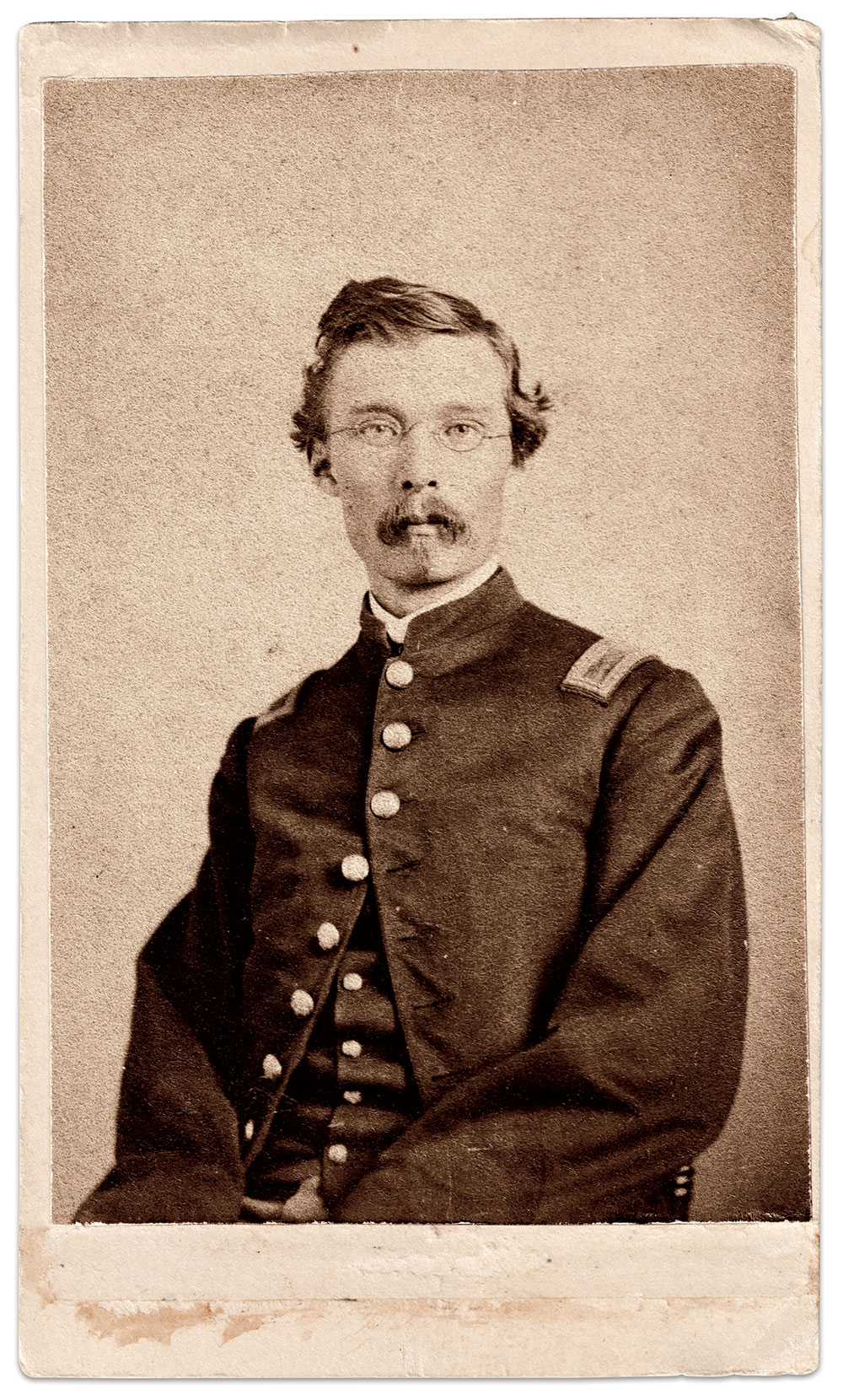
“Staten Islanders, Come On!”
An Irish immigrant, graduate of Trinity College in Dublin, and son of a private secretary who was a former ambassador to the United States, Charles W. Kennedy (1833-1914) began his service in Company F as a first sergeant. He proved his fighting mettle at Fort Bisland: After the regiment’s line faltered in the thick of battle, Kennedy leapt to the front, his cap and musket raised high, shouting, “Staten Islanders, come on!” His rallying cry electrified the men who then surged forward through the hailstorm of Confederate bullets. He went on to be commissioned captain and appointed acting assistant adjutant general to Maj. Gen. John M. Schofield, commander of the 23rd Corps and Army of Ohio.
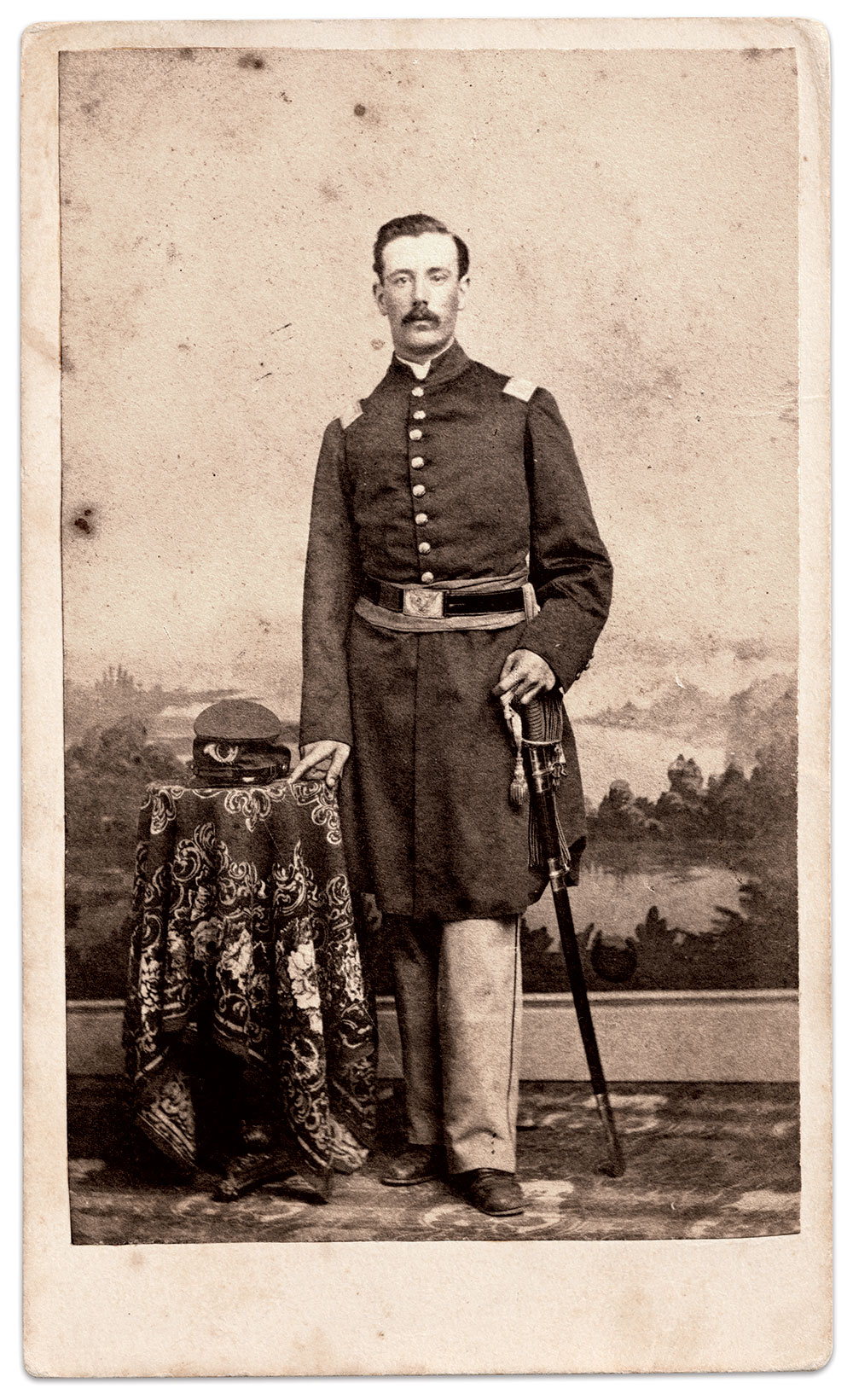
Legacy of Service
A descendant of Revolutionary War Col. James Barrett—who stood his ground at Concord in 1775—Clarence Tynan Barrett (1840–1906) carried forward his family’s legacy of military service. Leaving behind his studies in landscape architecture at the outbreak of the war, Barrett enlisted with the 175th New York Infantry, which later consolidated with the 156th. He rose through the ranks, serving as first lieutenant and regimental adjutant until May 1864, when he transferred to the U.S. Adjutant General’s Department. He served on the staffs of generals William H. Emory and Edward R.S. Canby. His gallantry during the Mobile Campaign battles at Spanish Fort and Fort Blakely earned him a major’s brevet. His service as a soldier, and later as an architect specializing in sanitary engineering, is noted on a monument at Barrett Triangle on Staten Island. The inscription “Loyal, Honest, Brave and True” is a testament to his character.
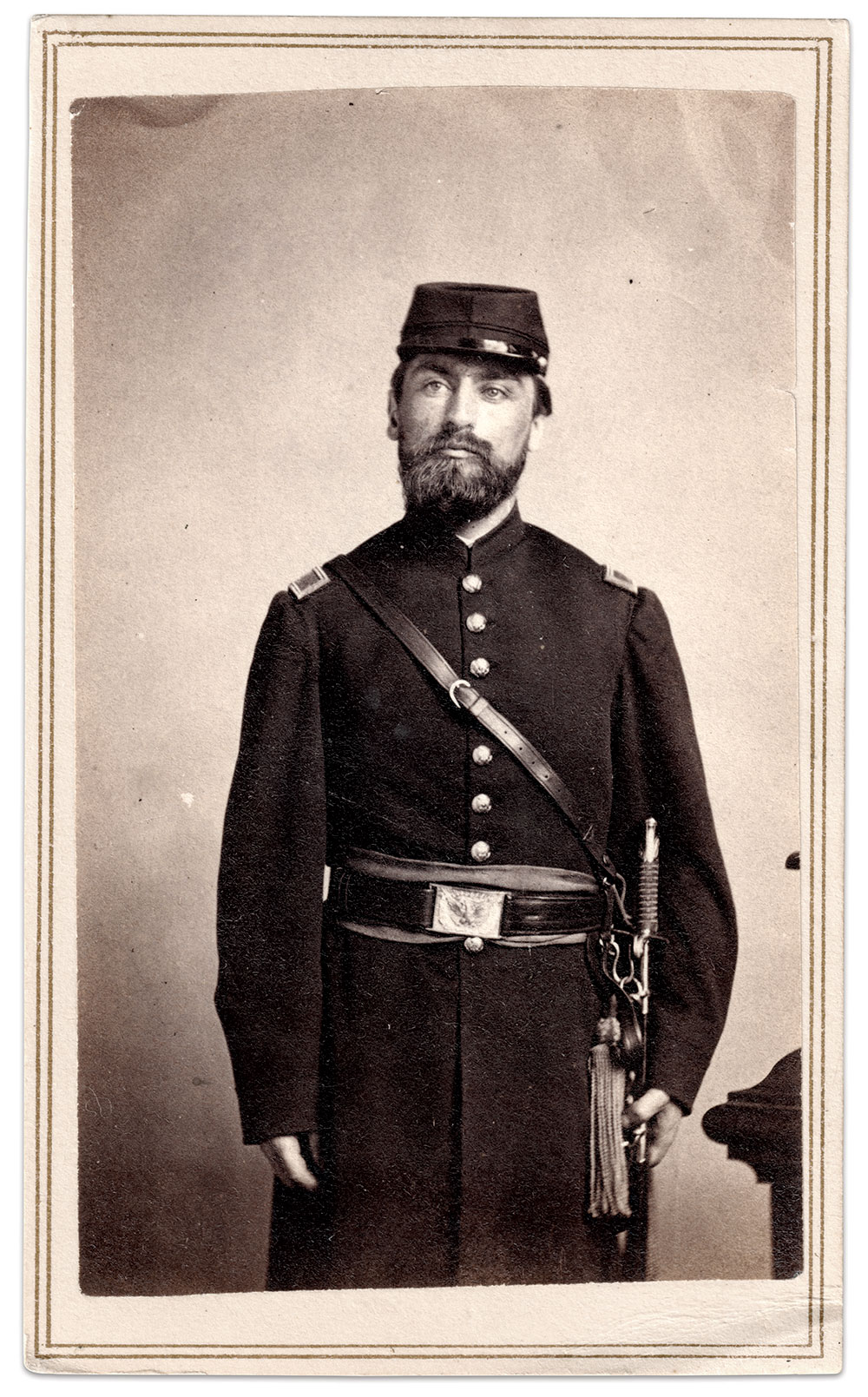
Soldier-Poet
After surviving the battles of Fort Bisland and Port Hudson, Pvt. Edward Noyes Pomeroy (1836-1918) of Company I laid down his rifle and took up the pen while encamped at Baton Rouge. There he wrote The Sleeping Soldier, a poem honoring a comrade who fell mortally wounded amid the thunder of battle. His writing talent earned him a post as clerk on Col. Jacob Sharpe’s brigade staff, and later a commission as second lieutenant in the 81st U.S. Colored Infantry. Before the war’s end, he served on Maj. Gen. Nathaniel P. Banks’s staff. Upon returning to civilian life, he served as a pastor and continued writing in Massachusetts. To the veterans of the 156th, he was forever remembered as the soldier-poet of the Mountain Legion.

Ivy League Soldier
Nicknamed “Young Sexton” for his youthful zeal and intellect, Augustus Wilder Sexton Jr. (1842-1919) graduated from Princeton University in 1860. After enlisting as a private in Company I, his sharp mind caught the attention of the Adjutant General’s Office of the 19th Corps, where he served on detached duty. He later accepted a commission as first lieutenant in Company B of the colored Headquarters Troops, Department of the Gulf. Before war’s end, Sexton served as assistant adjutant general to Maj. Gen. Nathaniel P. Banks and was remembered as a true man and cunning officer. Settling in New York City after leaving the army, he married, raised a large family, and worked in the jewelry business.
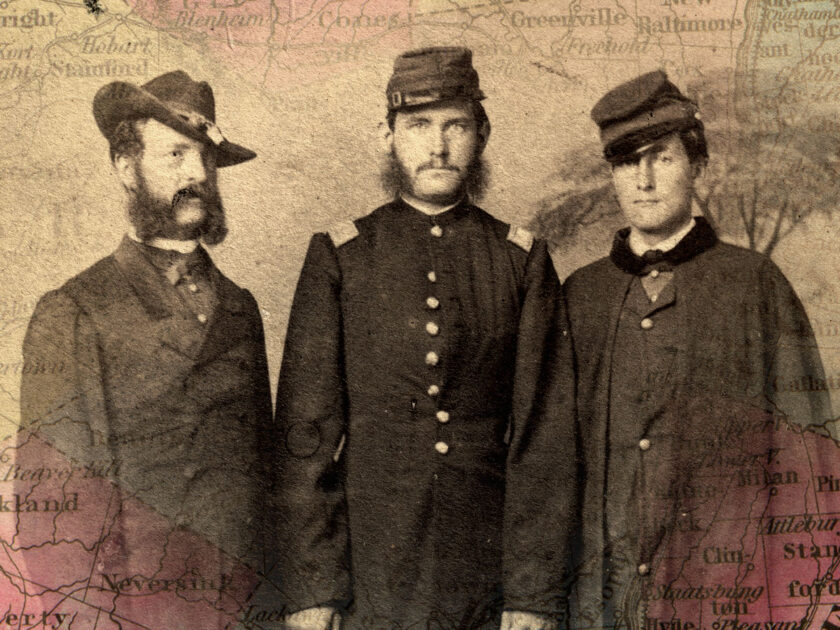
Sexton is pictured in the center of this portrait. On the left is fellow adjutant Capt. Horace Poole, formerly of the 1st and 21st Iowa infantry; on the right, 1st Lt. Alexander D. Irving of the 176th New York Infantry.
In the Ranks

Monitor Boys
Jacob Bookstaver (1831-1863) of Middletown left his job as a cigar maker when he responded to the call of arms in 1862. Known as a man of integrity and devotion to the cause, he recruited several men for the Monitor Boys, which mustered into the 156th as Company B. Bookstaver, now first sergeant, was presented with a Colt revolver by 15 of his friends before leaving for the South. Though he served bravely through the regiment’s campaigns in Louisiana, disease struck him down—ending his life and depriving the surviving Monitor Boys of his leadership.
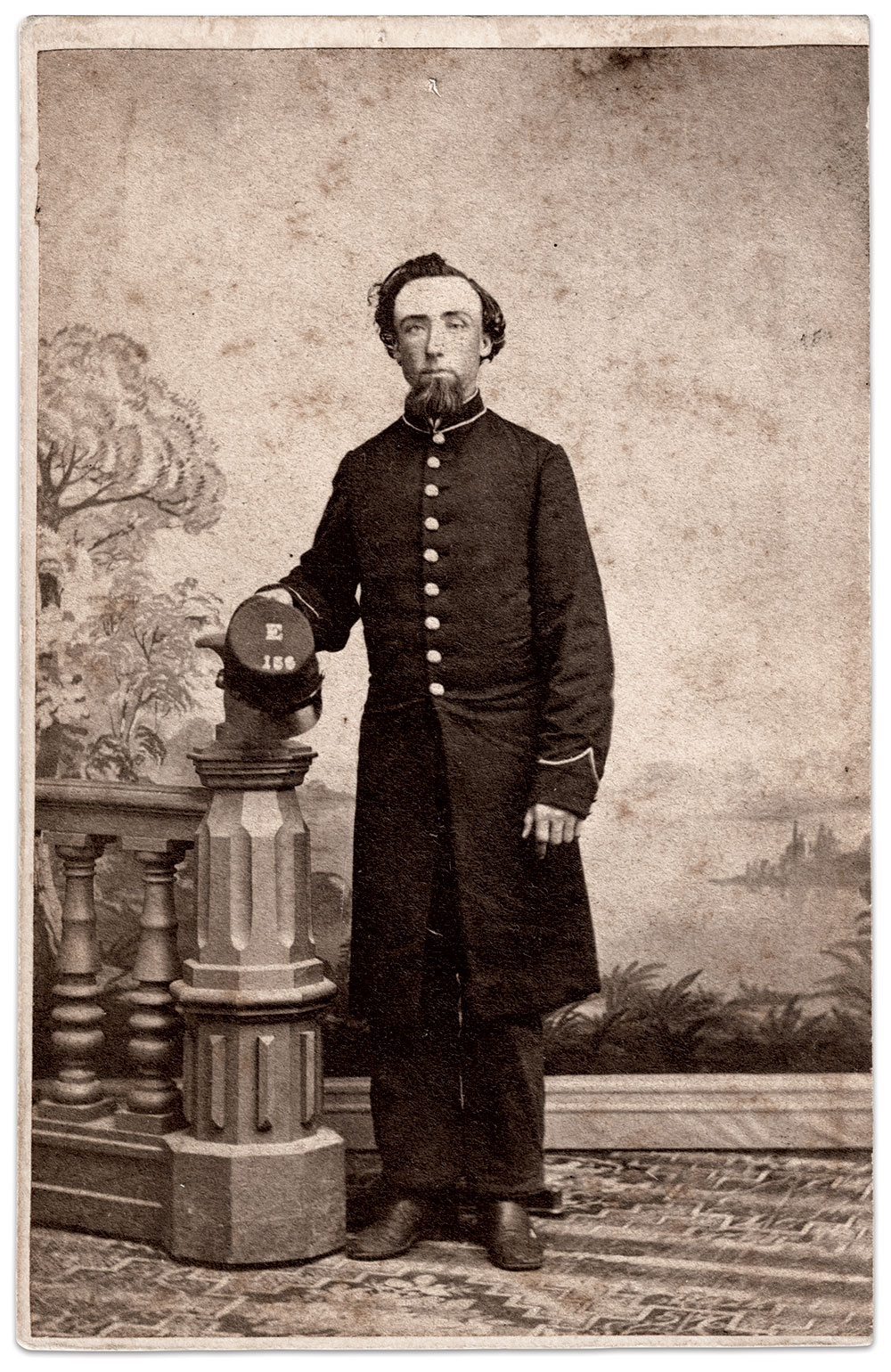
Private Masten
A painter by trade, 22-year-old Abram Masten (1838-1900) enlisted with his father John in Company E. After illness forced his father’s discharge in New Orleans in 1863, Abram pressed on—enduring the arduous campaigns in Louisiana and the Shenandoah Valley until mustering out of service at Augusta, Ga., in 1865. He returned to his home and business in Kingston, and remained single through the rest of his life.
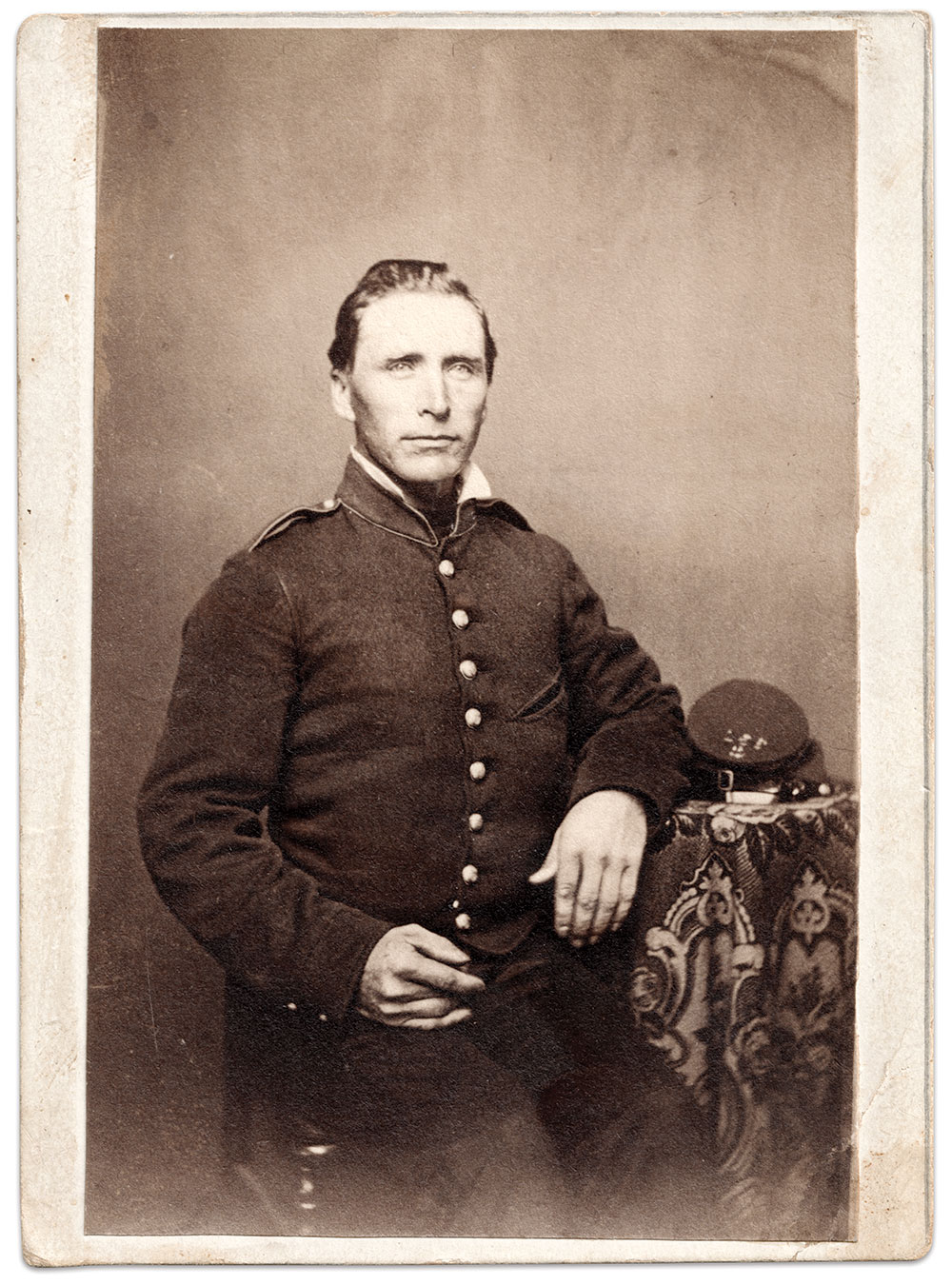
Loyal Christian
The service of Henry B. Montanye (1827-1887), a sergeant in Company D, was plagued by illness and sustained by his faith. A house painter from Ellenville prior to his enlistment, he fell sick aboard the steamer Menemon Sanford, on the way to Louisiana. Despite his sufferings, he led prayer meetings—his voice rising over the groan of the sea. In Louisiana’s disease-ridden camps, exhaustion and exposure brought on crippling rheumatism that twisted his failing frame. Lieutenant Col. Alfred Neafie called him “a good man, a good officer, and a Christian.” Discharged in New Orleans in June 1863, Montanye returned home, his health broken, walking with crutches and wracked by pain until his death at age 60.
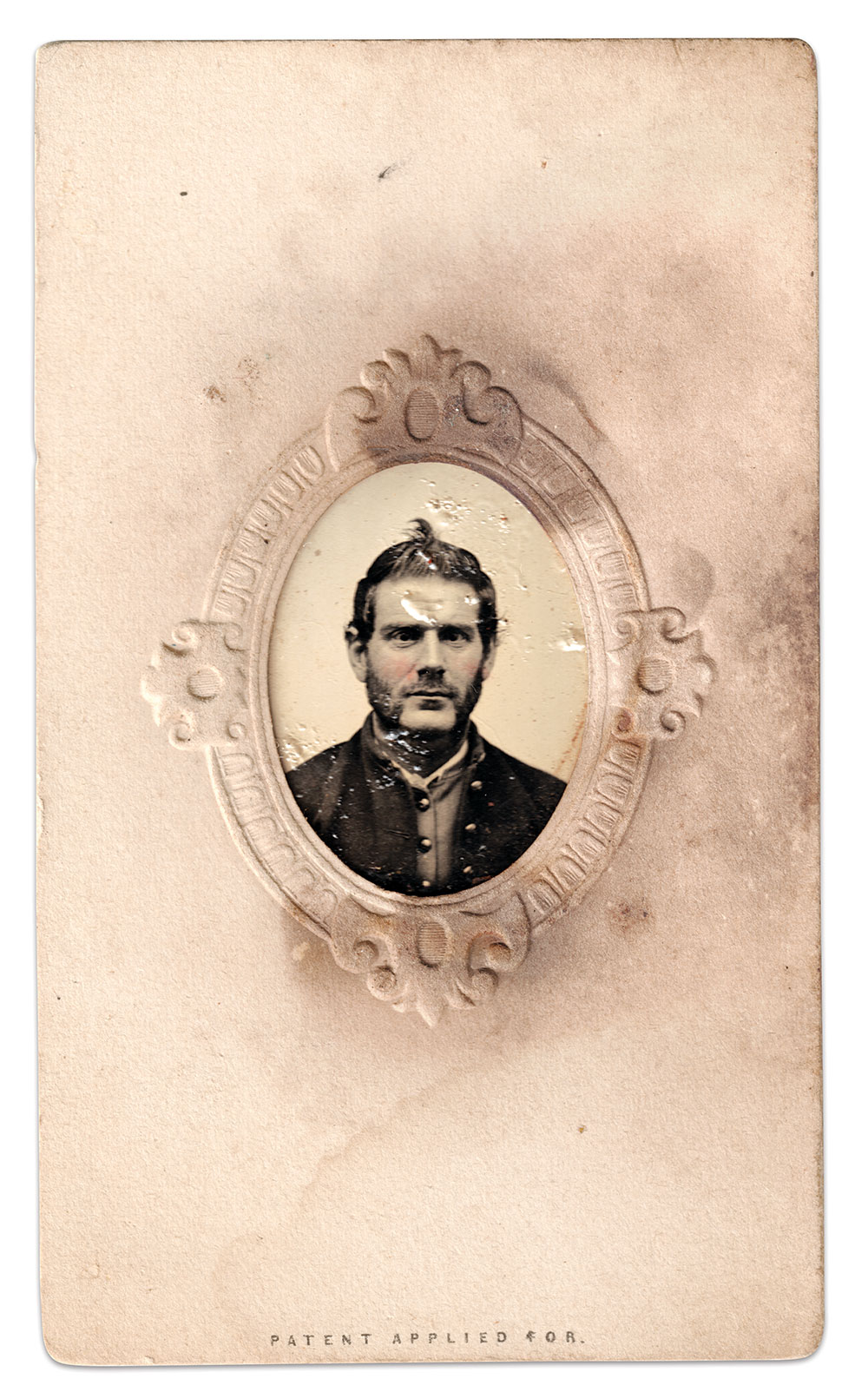
A Soldier’s Grave
Peacetime teamster and tanner Sylvester W. Wait (1830-1867) joined the ranks of Company C in late 1862. Surviving the campaigns in Louisiana without serious injury, he was less fortunate in the Shenandoah Valley. During the fighting at Third Winchester, a bullet shattered his knee and ended his service. Crippled and frail, he returned home to Ulster County, where he struggled to provide for his family, and succumbed to illness in 1867. His headstone, located in a cemetery at Saugerties, bears a single, solemn line—A Soldier’s Grave—a fitting epitaph to a man who gave his all in steadfast duty.
SPREAD THE WORD: We encourage you to share this story on social media and elsewhere to educate and raise awareness. If you wish to use any image on this page for another purpose, please request permission.
LEARN MORE about Military Images, America’s only magazine dedicated to showcasing, interpreting and preserving Civil War portrait photography.
VISIT OUR STORE to subscribe, renew a subscription, and more.
1 thought on “Mountain Legion: The hard-fighting 156th New York Infantry in the Eastern and Western Theaters”
Comments are closed.