
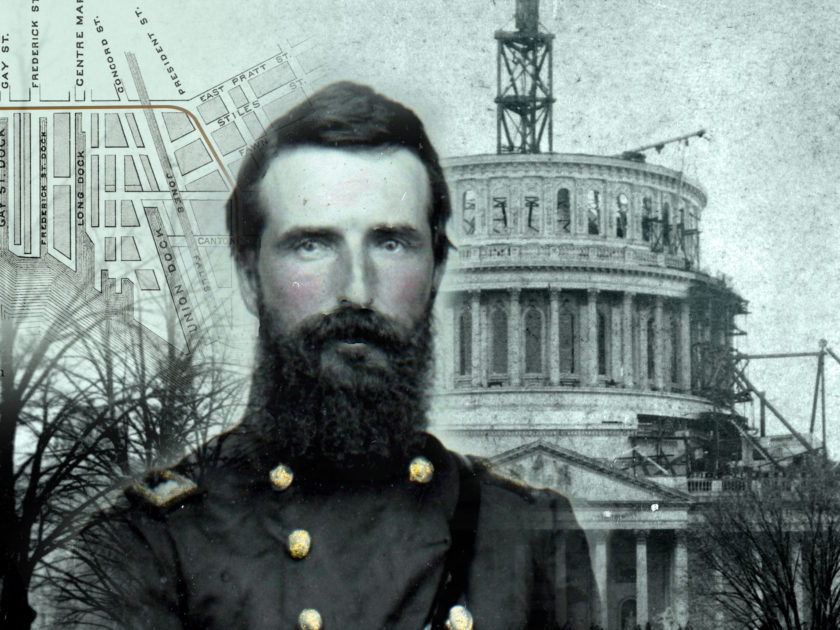
By Paul Russinoff
Violent showers of rocks, coal, paving stones and occasional pistol shots intensified as the 62 gray uniformed men inside the battered Philadelphia, Wilmington and Baltimore Rail Road passenger car winced and clutched their muskets. Outside, a seething crowd massing from the streets of Baltimore surrounded the car shouting threats and obscenities. Inside, anger and trepidation consumed this first group of citizen soldiers, on their way to protect Washington and the new president with 10 rounds of ammunition in their cartridge boxes.
These soldiers, members of the 6th Massachusetts Infantry, had anticipated this moment. Hours earlier in Philadelphia, regimental command was told to expect rough treatment in Baltimore. In an attempt to prevent preemptory bloodshed, Col. Edward F. Jones issued clear orders: “You will undoubtedly be insulted, abused and perhaps assaulted, to which you must pay no attention whatsoever.” He added, “But if you are fired upon, and any one of you is hit, your officers will order you to fire.”
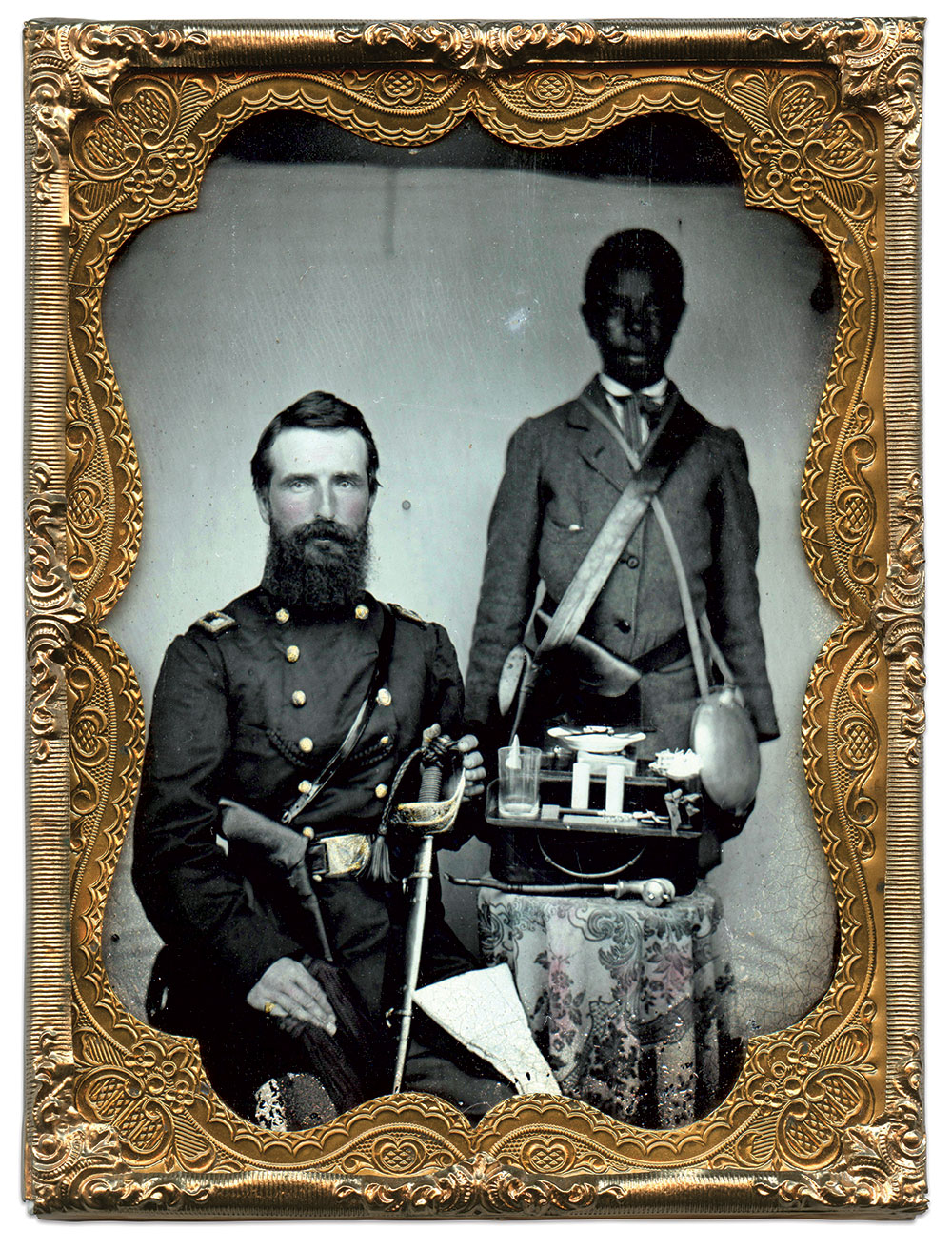
Back inside the battered railcar, a pistol round finally penetrated the wall of the car and shot off a thumb. Despite searing pain, the wounded soldier held up his bloody hand triumphantly so the officers could see. As a result, the first order to fire during the American Civil War, where actual blood spilled, devolved to Maj. Benjamin Franklin Watson.
1 thought on “A Savior of the Capitol”
Comments are closed.