
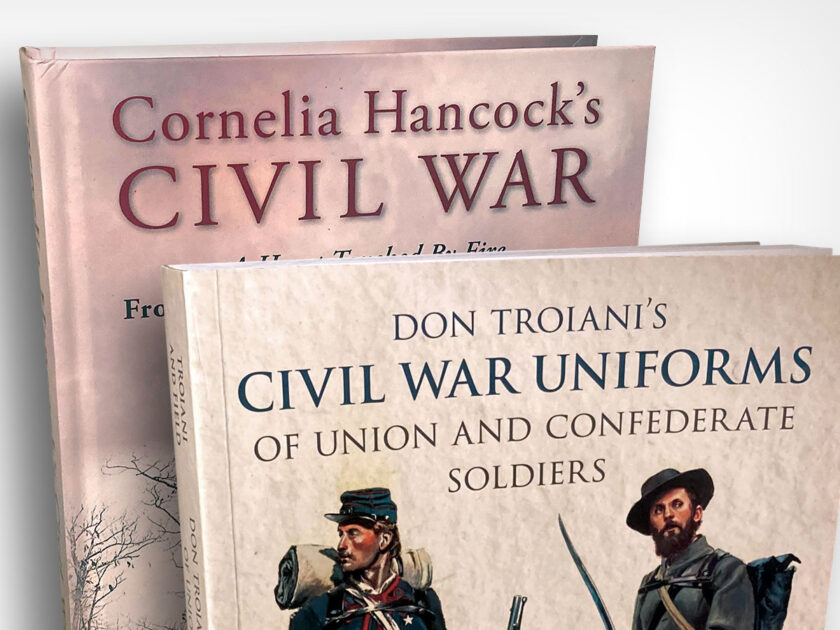
New Civil War Books on Cornelia Hancock and Soldier Uniforms
The Intrepid Cornelia Hancock One of life’s great mysteries is the spark that moves an individual to summon the courage to take on an enormous task in the face of
The Intrepid Cornelia Hancock One of life’s great mysteries is the spark that moves an individual to summon the courage to take on an enormous task in the face of
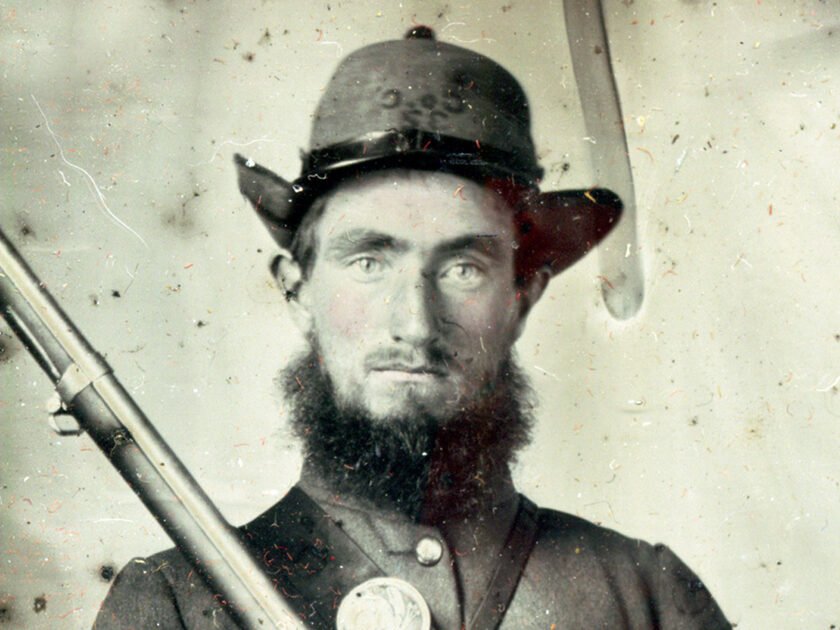
By Ron Field My article “Ugly as the Devil,” published in the Winter 2015 issue, explored various types of Havelock hats worn by Union Army volunteers in 1861. This follow-up

By Phil Spaugy When I first encountered this compelling image from the Rich Jahn Collection, I believed it would serve as the foundation for an engaging article on Ohio soldiers.

Photographs of Civil War prisons are often treated as illustrations—accompaniments to statistics about overcrowding, disease, and death. This volume takes a different approach, using the surviving images of the Confederate
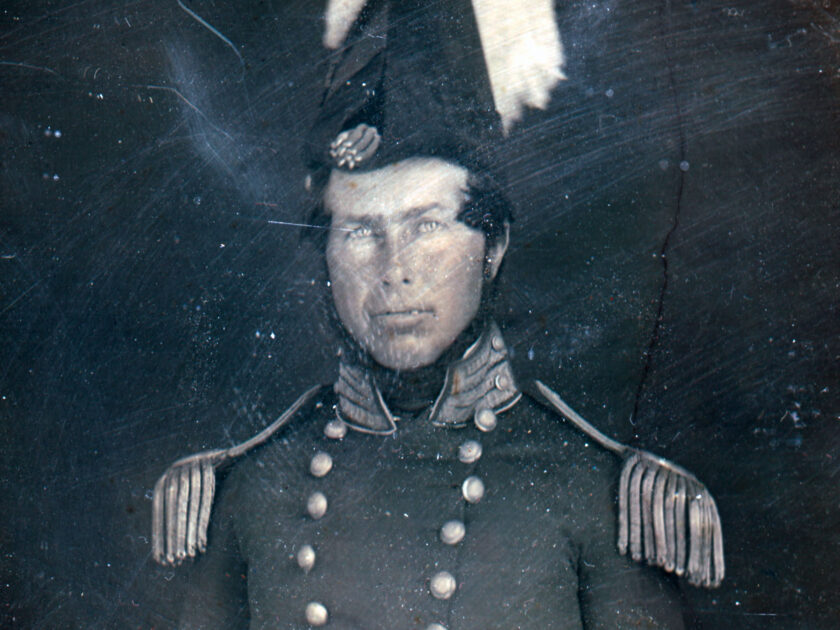
This officer holds a Model 1834 general officer’s sword, likely produced by the Ames Manufacturing Company, judging by its pommel and mounts. He wears narrow sleeves associated with Mexican War–era
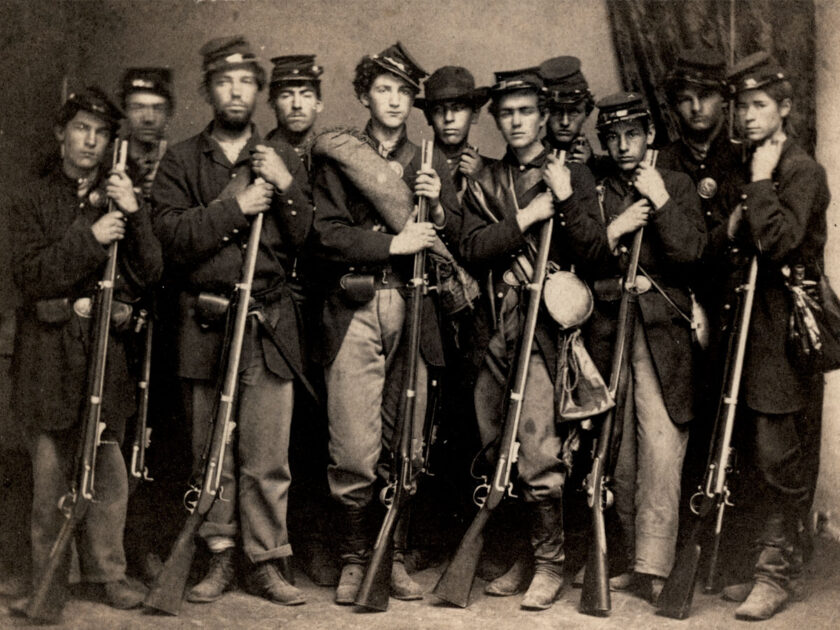
By Phil Spaugy Eleven veteran federal infantrymen standing at ease with their U.S. Model 1842 rifled muskets are front and center in this richly detailed portrait by a photographer in
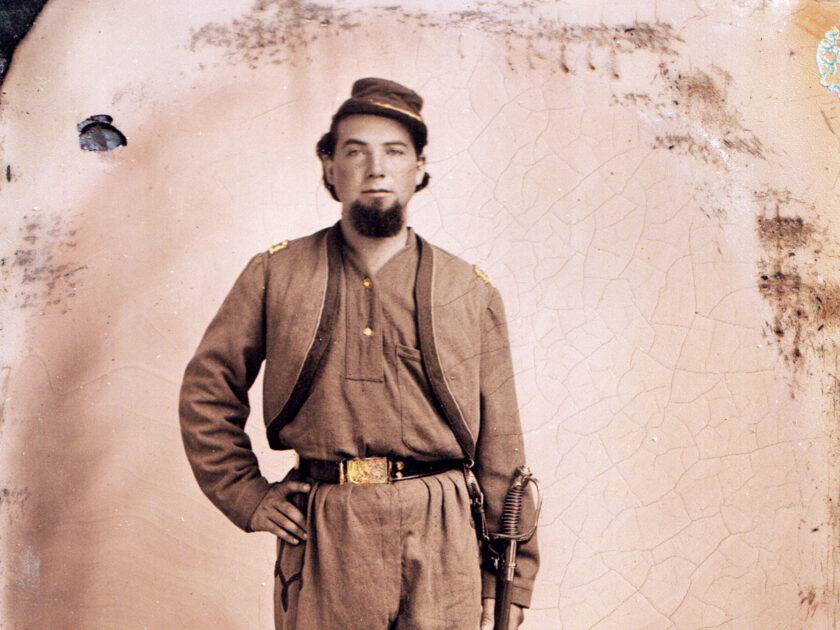
By Ron Field Organized at Indianapolis by Col. Lewis Wallace on April 21, 1861, the 11th Indiana included as its nucleus the Montgomery Guards and Independent Zouaves, two existing uniformed
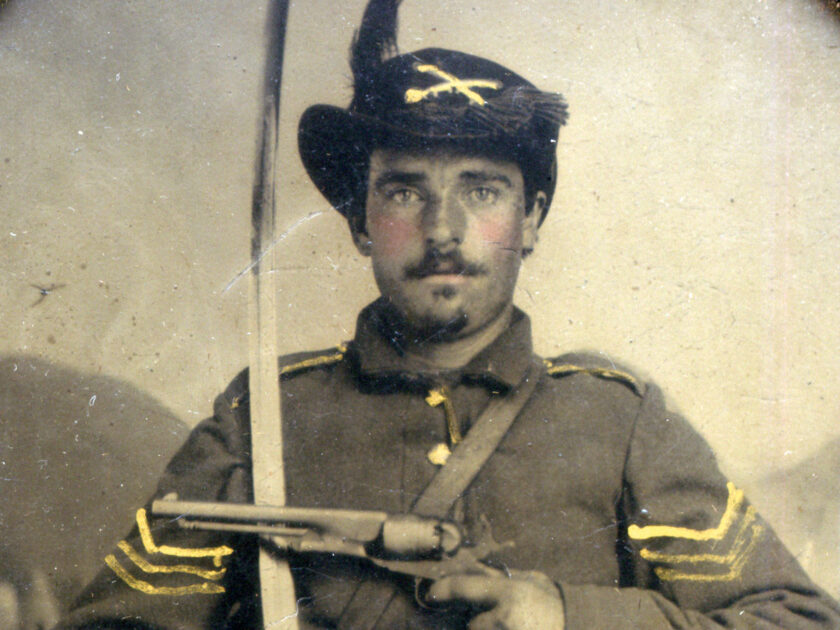
By Buck Zaidel At first glance, the painted backdrop in a studio portrait can seem little more than theatrical scenery—stylized tents, patriotic military elements, and simple landscapes. Yet, these primitive
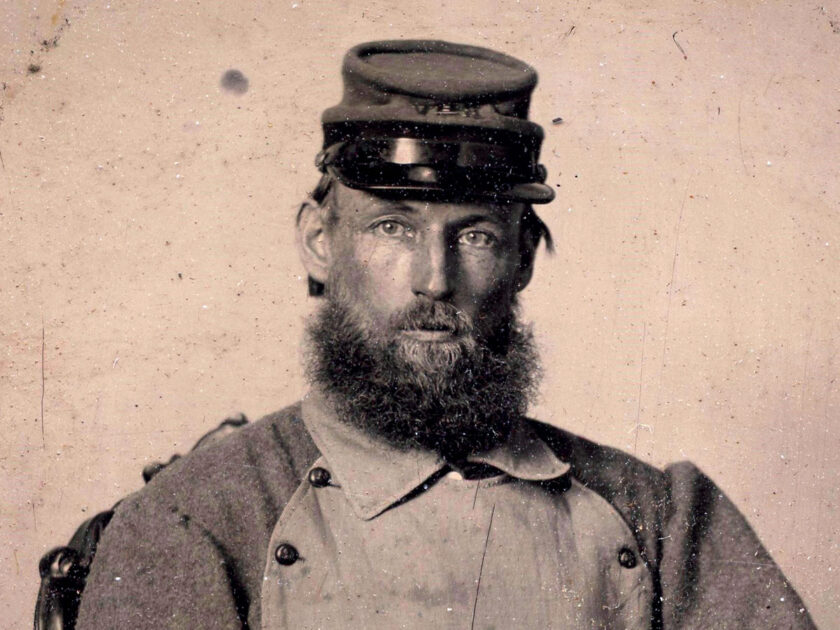
Portraits featuring the “Jeff. Davis and the South!” placard are few in number. Only 29 have been documented over the past 35 years. That total has now increased by two—to
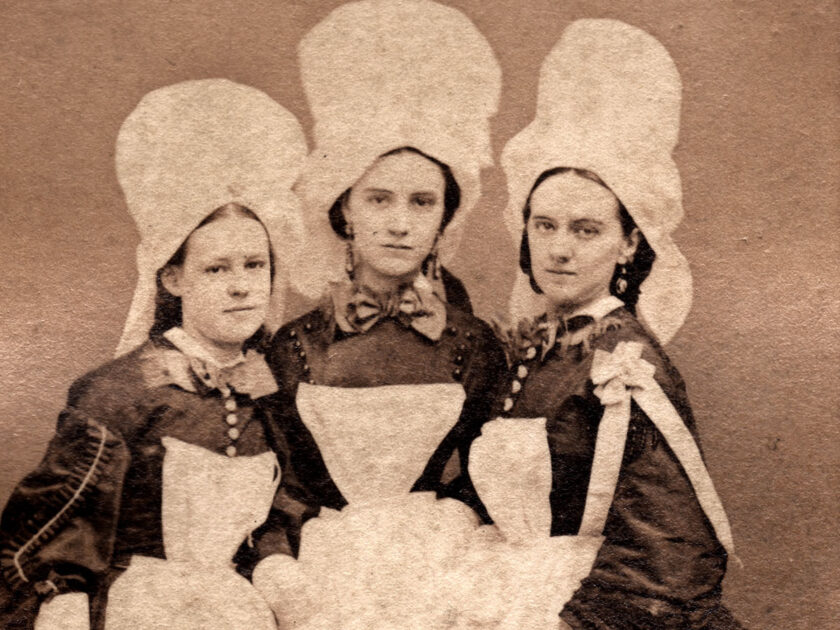
By Elizabeth A. Topping The unidentified young ladies in these photographs are often misidentified as Civil War nurses. However, with a turn of the carte, one can discern from the